
Root SR-22 After a DUI — Wisconsin
Free to compare
Root Writes Wisconsin SR-22 After OWI Conviction
You received an OWI conviction in Wisconsin, your license is suspended, and you need SR-22 filing to apply for an Occupational License or complete reinstatement. Root appears in your carrier search results as a telematics-based option that prices on driving behavior rather than conviction history alone. The appeal is obvious: if Root evaluates your current driving rather than your past violation, you might avoid the triple-rate surcharges traditional carriers apply to OWI convictions. Root does write Wisconsin SR-22 policies after OWI, but their underwriting model creates a structural conflict most drivers discover only after starting the application process.
Root's telematics app tracks acceleration, braking, cornering, speed, and phone use to generate a driving score that determines your rate. For clean-record drivers, this model rewards safe behavior with lower premiums. For post-OWI drivers, the model theoretically offers a path to offset conviction surcharges by demonstrating improved driving. Wisconsin's mandatory Ignition Interlock Device requirement during occupational license periods creates a tracking conflict: the IID monitors every ignition event and some driving behaviors, while Root's app simultaneously tracks the same trips. Carriers applying telematics models to IID-equipped vehicles face underwriting ambiguity around which data source controls rate assignment, and Root's Wisconsin underwriting guidelines do not publicly clarify how IID periods are priced.
“Root's telematics discount applies after OWI surcharges are baked into your tier — it rewards improvement within your risk profile, not escape from it.”

Get Back to a Fair Rate in Wisconsin After a DUI
Get My Wisconsin DUI Insurance Quote3 years
Wisconsin SR-22 Filing Period
Wisconsin requires continuous SR-22 filing for 3 years after OWI conviction reinstatement. Any lapse in coverage triggers DMV notification, immediate suspension, and restart of the 3-year clock from the new reinstatement date.
Wisconsin Department of Transportation SR-22 program rules
Telematics Pricing Does Not Eliminate OWI Surcharges
Root's telematics model adjusts your base rate according to tracked driving behavior, but the base rate itself reflects your risk profile at application. An OWI conviction places you in a higher base-rate tier before any telematics adjustment is applied. Root evaluates your driving score against that elevated baseline, not against the clean-record baseline you held before conviction.
Wisconsin post-OWI drivers typically see base rates 28-58% higher than clean-record equivalents across all carrier tiers. Root's telematics discount applies after that surcharge is baked into your tier assignment. The structural reality: telematics-based pricing rewards improvement within your risk tier, but it does not move you out of the tier your conviction assigned you to. Drivers expecting Root's app-based model to bypass OWI surcharges entirely discover at quote that their rate still reflects the conviction, just with a behavior-based adjustment layered on top.

Root's telematics app and Wisconsin's mandatory IID both monitor driving behavior during occupational license periods — carriers must reconcile conflicting data sources, and Root's underwriting does not publicly clarify which controls.
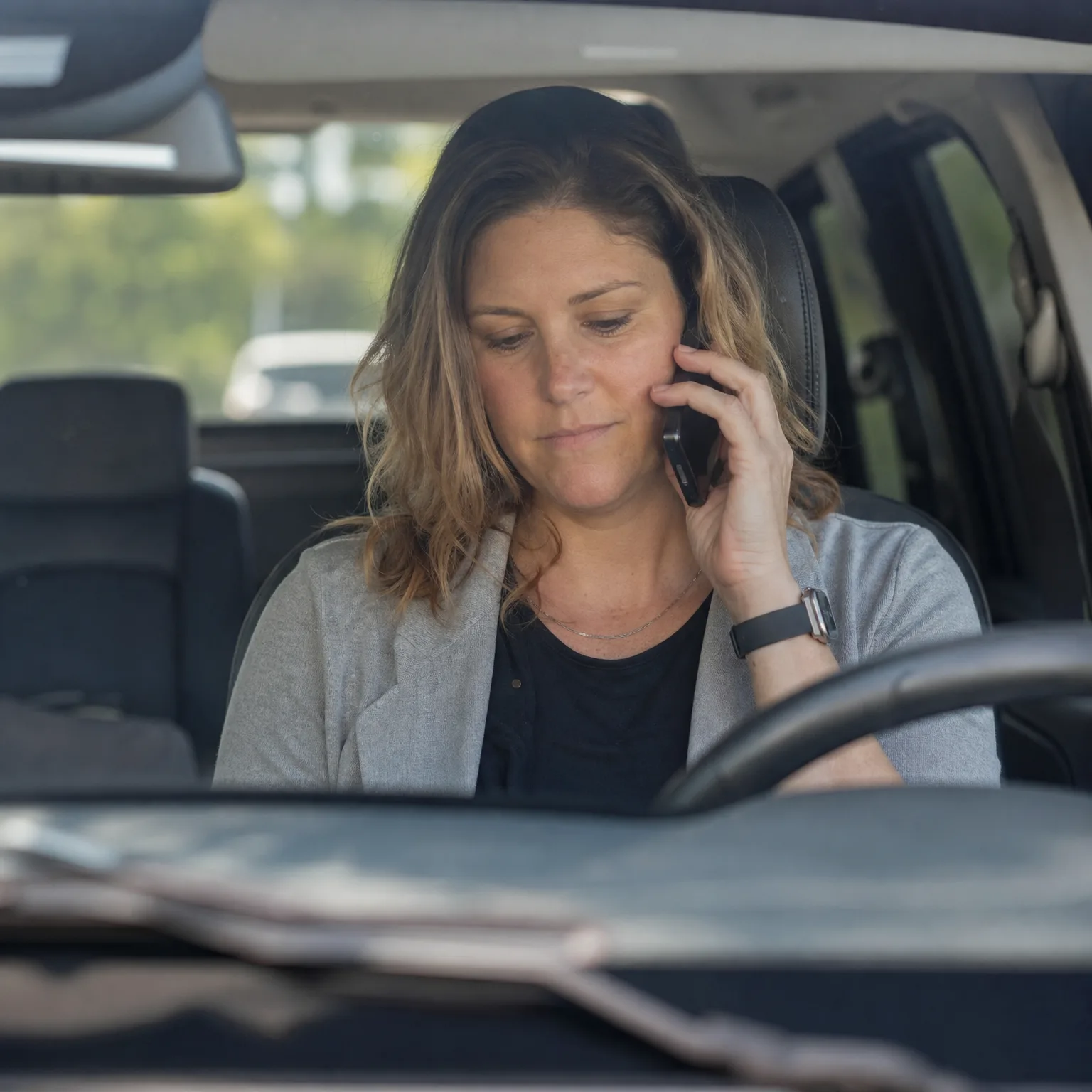

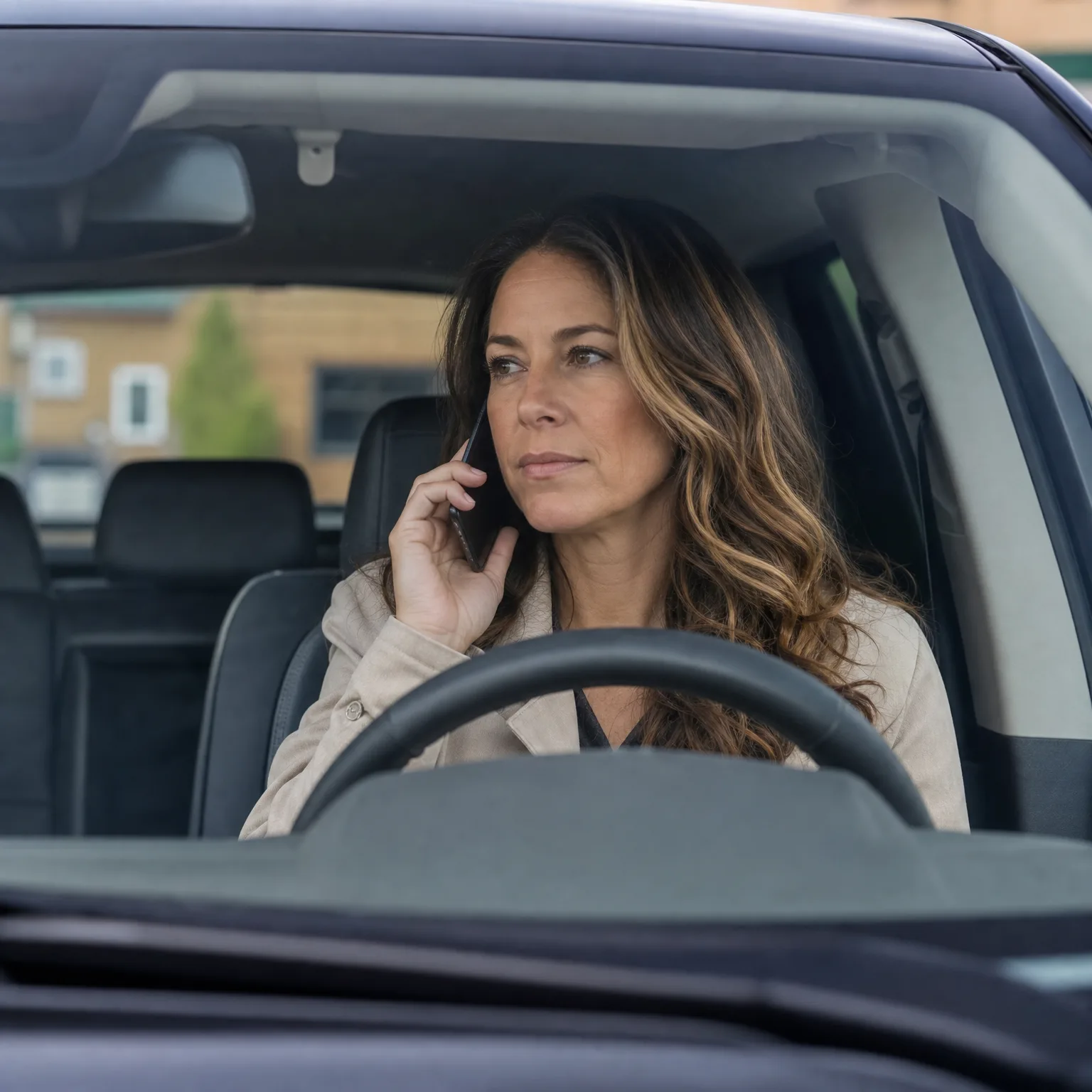



Root Requires App Tracking Before Quoting Final Rate
Root does not provide a bindable quote at application. You receive an estimated rate range, install the app, and drive for a test period (typically 2-4 weeks in most states) while Root collects trip data. Your final rate is calculated after the test period based on your driving score. For clean-record drivers, this process is straightforward. For post-OWI drivers applying for an Occupational License, the test period creates a timing conflict: you need proof of SR-22 filing to submit your occupational license application to the DMV, but Root will not issue the SR-22 certificate until your policy binds, and your policy does not bind until the test period completes and Root calculates your final rate.
Wisconsin DMV requires SR-22 certificate submission with your occupational license application (form MV3001 and MV3027, submitted in person at a Customer Service Center, not a Renewal Office). If you start Root's test period before applying for the occupational license, you are driving without legal authority during the test period because your license is still suspended. If you wait until after occupational license approval to start Root's test period, you cannot submit the SR-22 certificate with your application because Root has not yet issued it. The structural conflict: Root's underwriting timeline does not align with Wisconsin's occupational license application process, and most drivers do not discover this misalignment until they are already mid-application.
Carriers writing Wisconsin SR-22 without telematics requirements (Dairyland, Bristol West, The General, Progressive, GAINSCO) issue the SR-22 certificate immediately upon policy binding, which happens at application if you pay the first month's premium. Root's test-period model delays SR-22 issuance by 2-4 weeks, blocking occupational license applications during that window. Drivers who need an occupational license immediately to preserve employment cannot wait for Root's test period to complete. Root works for post-reinstatement SR-22 filing when you have time to complete the test period before needing proof of coverage, but it does not work for occupational license applicants on a tight timeline.
$200
Wisconsin OWI Reinstatement Fee
Wisconsin charges a $200 reinstatement fee after OWI suspension, paid to the DMV before your license is restored. This fee is separate from the $50 occupational license application fee and any court-ordered fines or IID installation costs.
Wisconsin Department of Transportation reinstatement fee schedule

When Root Works for Wisconsin OWI Drivers
Root's telematics model is most useful for Wisconsin OWI drivers who have already completed suspension, reinstated their license, and need SR-22 filing for the mandatory 3-year period. At that stage, you are legally driving, the IID requirement has ended (if it applied), and Root's test period does not block any procedural step. You install the app, drive normally for 2-4 weeks, and Root calculates your final rate based on current behavior rather than static conviction history. If your driving score is strong, you may see a lower rate than traditional post-OWI carriers quote, though the rate will still reflect your OWI conviction in the base tier.
Root does not work well for drivers who need occupational license approval immediately, who are still in IID-required periods, or who cannot complete a 2-4 week test period before needing proof of SR-22 filing. In those situations, carriers that issue SR-22 certificates at binding (Dairyland, Bristol West, The General, Progressive) are structurally better fits. Root also does not work for drivers who need non-owner SR-22 policies: Root writes owner policies only and requires you to title or register a vehicle in your name. Wisconsin occupational license applicants who sold their vehicle after suspension and need non-owner SR-22 to satisfy DMV requirements cannot use Root.
Compare Carriers Writing Wisconsin Post-OWI SR-22
Root is one of 15 carriers writing Wisconsin SR-22 after OWI conviction, but it is the only one applying telematics-based pricing to post-OWI drivers. Dairyland, Bristol West, The General, GAINSCO, and National General write non-standard tier SR-22 policies with immediate binding and SR-22 issuance at application. Progressive, Geico, State Farm, and Farmers write standard-tier SR-22 policies for drivers whose OWI conviction is their only violation and whose driving record otherwise qualifies. USAA writes SR-22 for eligible military members and their families. Allstate, Auto-Owners, and Erie require agent placement, which adds 2-5 business days but sometimes yields lower rates for drivers with strong credit or bundled policies.
The carrier that writes your situation at the lowest rate depends on your occupational license timeline, IID requirement status, vehicle ownership, and whether you need immediate SR-22 filing or can wait through a test period. Root's telematics model is not automatically cheaper than traditional post-OWI carriers — it is a different pricing structure that rewards current behavior but does not eliminate conviction surcharges. Compare quotes from at least three carriers writing your specific situation before committing to Root's test period, because once you start tracking, you are locked into Root's timeline and cannot switch carriers without restarting the process.
IID Requirement Complicates Telematics Tracking
The IID logs every ignition attempt, records rolling retests, and flags violations (failed breath tests, missed retests, tampering attempts). Root's app tracks acceleration, braking, phone use, speed relative to posted limits, and time of day. Both systems generate behavior data, but they measure different things: the IID monitors sobriety compliance, while Root's app measures driving habits. When both are active simultaneously, Root's underwriting must decide whether IID-period trips count toward your telematics score, whether IID violations affect rate assignment, and whether the app's tracking is even compatible with court-ordered monitoring requirements.
Root's Wisconsin underwriting guidelines do not publicly address IID periods. Some telematics carriers exclude IID-equipped vehicles from app-based pricing entirely, reverting to static post-OWI rates until the IID is removed. Others allow telematics tracking during IID periods but apply separate underwriting rules to those trips. Drivers who assume Root's app will track their IID-period driving and reward compliance discover at application that the carrier may not quote telematics pricing while the IID is active, or may quote it with restrictions that eliminate the behavior-based discount they expected.
Get Your Free Quote
Get My Wisconsin DUI Insurance QuoteFrequently Asked Questions
Does Root write SR-22 policies in Wisconsin after an OWI conviction?
Yes. Root writes Wisconsin SR-22 policies after OWI conviction and files electronically with the DMV. Root applies telematics-based pricing, which means your final rate is calculated after a 2-4 week test period during which the app tracks your driving behavior. The SR-22 certificate is issued after the test period completes and your policy binds.
Can I use Root for an Occupational License application in Wisconsin?
Root's test-period model delays SR-22 issuance by 2-4 weeks, which blocks immediate occupational license applications. Wisconsin DMV requires SR-22 certificate submission with your MV3001 and MV3027 forms at application. If you need an occupational license immediately, carriers that issue SR-22 at binding (Dairyland, Bristol West, The General, Progressive) are better structural fits.
Does Root's telematics pricing eliminate OWI conviction surcharges?
No. Root's telematics model adjusts your rate based on driving behavior, but your base rate still reflects your OWI conviction. Telematics rewards improvement within your risk tier; it does not move you out of the tier.
How does Root handle Ignition Interlock Device requirements in Wisconsin?
Root's Wisconsin underwriting guidelines do not publicly clarify how IID periods are priced. The IID and Root's app both monitor driving behavior during occupational license periods, creating overlapping data streams. Some telematics carriers exclude IID-equipped vehicles from app-based pricing entirely. Contact Root directly to confirm whether they quote telematics pricing during IID-required periods.
Does Root write non-owner SR-22 policies in Wisconsin?
No. Root writes owner policies only and requires you to title or register a vehicle in your name. Wisconsin occupational license applicants who need non-owner SR-22 (because they sold their vehicle after suspension or do not own a car) cannot use Root. Dairyland, Bristol West, The General, Progressive, USAA, Travelers, Geico, and Farmers write non-owner SR-22 in Wisconsin.
How long does Root's test period last before issuing SR-22 in Wisconsin?
Root's test period typically lasts 2-4 weeks in most states. During this period, the app tracks your driving behavior to calculate your final rate. The SR-22 certificate is issued after the test period completes and your policy binds. Wisconsin occupational license applicants who need immediate SR-22 filing cannot wait through this test period without delaying their application.
Is Root cheaper than other Wisconsin SR-22 carriers after an OWI?
Not automatically. Root's telematics model may yield a lower rate than traditional carriers if your driving score is strong, but the rate still reflects your OWI conviction in the base tier. Dairyland, Bristol West, The General, and GAINSCO write non-standard tier SR-22 with static pricing that may be lower or higher than Root's final quote depending on your specific profile. Compare quotes from at least three carriers before committing to Root's test period.