
Cheapest SR-22 Insurance After OWI — Racine WI
Free to compare
SR-22 Filing Costs Stack With OWI Reinstatement Fees
You walked out of Racine County Circuit Court with an OWI conviction, a $200 reinstatement fee, a court-ordered AODA assessment, and a mandate to install an ignition interlock device before you can apply for an occupational license. Now Wisconsin DOT requires SR-22 filing for three years, and your current carrier either dropped you or quoted a monthly premium that exceeds your car payment. The filing itself costs $25–$50, but the liability policy backing it determines whether you pay $1,680 or $4,080 annually.
Most Racine drivers default to their prior carrier or the first online quote they find — State Farm, Allstate, Progressive. These standard-tier carriers price OWI convictions as catastrophic risk events. Non-standard carriers writing specifically for SR-22 filers price the same conviction as their baseline business model. The carrier segment you choose matters more than the deductible you select or the coverage limits you carry.
“Non-standard carriers quote $140–$220/mo for identical SR-22 coverage standard carriers price at $280–$340 — the $5,040 three-year savings funds your entire IID installation and monitoring cost.”

Get Back to a Fair Rate in Wisconsin After a DUI
Get My Wisconsin DUI Insurance Quote$140–$220/mo
Non-Standard SR-22 Premium Racine
Non-standard carriers (Bristol West, Dairyland, GAINSCO, The General) writing Wisconsin SR-22 policies for OWI convictions quote monthly premiums in this range for state-minimum liability. Standard carriers quote $280–$340/mo for identical coverage.
Wisconsin carrier rate filings, 2025
Wisconsin Requires SR-22 For Three Years After OWI
Wisconsin Statutes § 343.305 and § 343.10 mandate SR-22 filing for all OWI-related license actions — administrative suspensions for refusal or BAC over 0.08, and judicial revocations following conviction. The filing period runs three years from your reinstatement date, not your conviction date. If your SR-22 lapses at any point during those three years, Wisconsin DOT suspends your license again and the three-year clock resets from the new reinstatement date.
The SR-22 is a certificate your insurer files electronically with Wisconsin DOT proving you carry at least state-minimum liability: $25,000 bodily injury per person, $50,000 per accident, $10,000 property damage. You cannot file it yourself. The insurer files it within 24–72 hours of binding your policy, then maintains continuous filing throughout your policy term. If you cancel coverage or miss a payment, the insurer notifies DOT electronically and your suspension is automatic.
Wisconsin also requires uninsured motorist coverage at the same $25,000/$50,000 limits, which increases your baseline premium approximately $15–$25/month. Most states do not mandate UM coverage for SR-22 filers, but Wisconsin statute treats it as non-waivable. Standard carriers price this UM layer as additional high-risk exposure; non-standard carriers include it in their baseline rate structure.
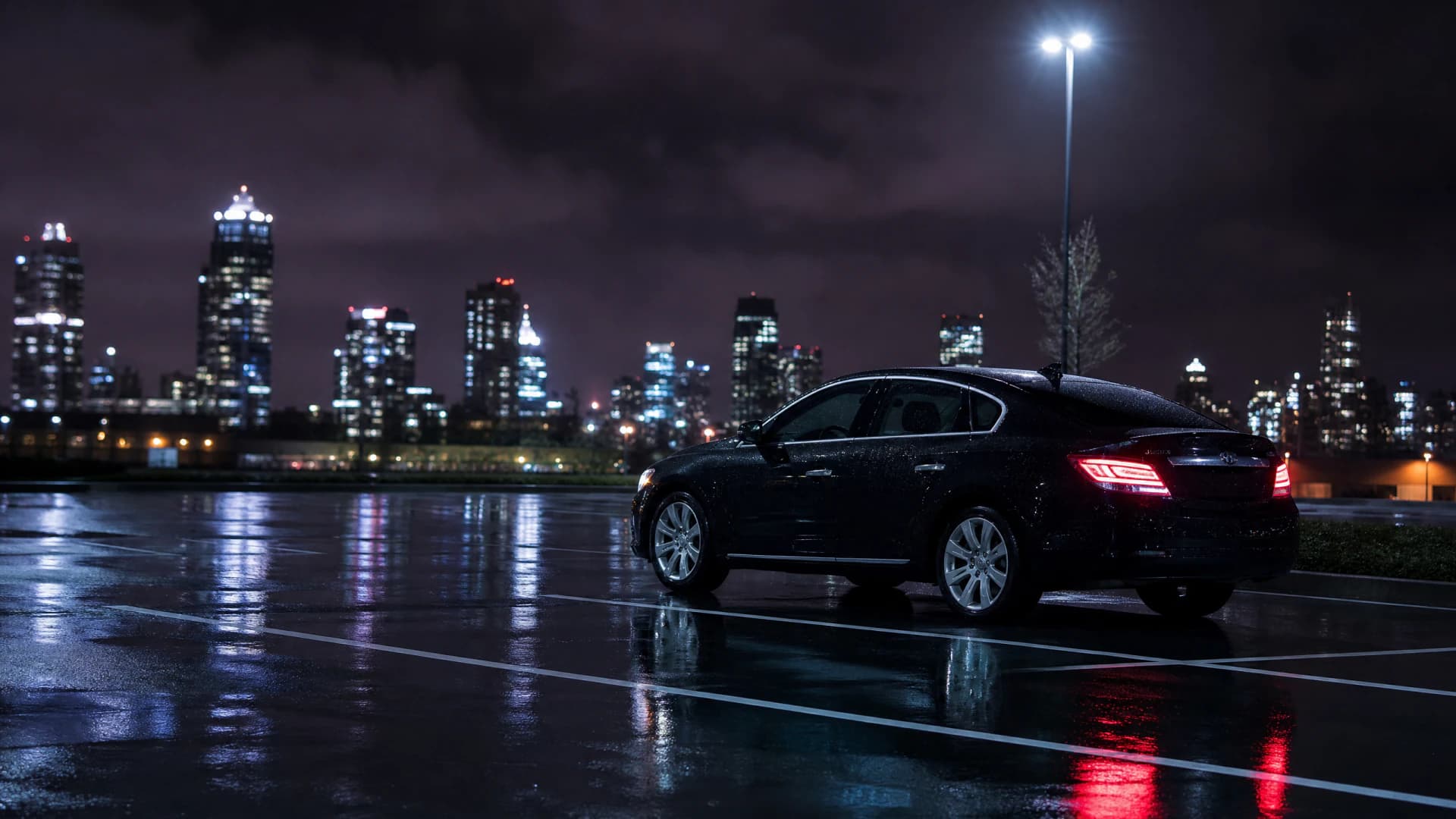
You cannot restore your license until the SR-22 is on file with Wisconsin DOT, the IID is installed and operational, and you have completed your AODA assessment — not just scheduled it.
Related Articles





Occupational License Requires Active SR-22 Before Court Hearing
Wisconsin Statutes § 343.10 allows OWI offenders to petition Racine County Circuit Court for an occupational license during their revocation period, but the petition cannot be filed until your SR-22 is active and on file with DOT. For first-offense OWI convictions, Wisconsin imposes a 30-day hard suspension before you are eligible to apply for the occupational license. For second or subsequent OWI within ten years, the hard suspension extends to 90 days per § 343.10(5)(b).
The occupational license hearing requires proof of SR-22 filing, proof of IID installation (inspection certificate from an approved vendor), completion of your AODA assessment, a detailed work schedule or documentation of essential activities, and payment of the court filing fee. The court, not Wisconsin DOT, defines your driving hours — maximum 12 hours per day and 60 hours per week, restricted to work, school, medical appointments, church, and AODA treatment programs. If you apply for the occupational license before your SR-22 is filed, the court will deny the petition and you will pay the filing fee twice.
Most Racine OWI offenders use the 30-day or 90-day hard suspension period to compare SR-22 carriers and complete the AODA assessment so all reinstatement documentation is ready the day they become eligible to petition. Binding your SR-22 policy two weeks before your eligibility date ensures the filing is on record when you file your occupational license petition, avoiding processing delays that extend the period you cannot drive at all.
30 days
First OWI Hard Suspension Period WI
Wisconsin law mandates a 30-day hard suspension before first-offense OWI drivers can apply for an occupational license. Second or subsequent OWI within ten years triggers a 90-day hard suspension. During the hard period you cannot drive under any circumstances.
Wis. Stat. § 343.10(5)(b)

Non-Owner SR-22 Covers You Without a Vehicle
If you do not own a vehicle — your car was totaled in the OWI arrest, repossessed during the suspension, or you sold it to avoid insurance costs — you still need SR-22 filing to restore your license or obtain an occupational license. Wisconsin accepts non-owner SR-22 policies, which provide state-minimum liability coverage when you drive a borrowed or rented vehicle but do not insure a specific car registered in your name.
Non-owner policies cost $35–$65/month at non-standard carriers writing Wisconsin SR-22, roughly 40% less than standard owner policies because the carrier assumes you drive infrequently. Geico, Progressive, USAA, Dairyland, The General, and Bristol West write non-owner SR-22 in Wisconsin. If you later purchase a vehicle during your three-year filing period, you convert the non-owner policy to a standard policy mid-term without restarting the SR-22 clock — the original filing date controls the three-year period, not the date you add a vehicle.
Ignition Interlock Costs Layer on Top of SR-22 Premiums
Wisconsin Statutes § 343.301 mandates ignition interlock devices for most OWI-related license actions, including first offenses in many circumstances. IID installation costs $100–$150; monthly monitoring and calibration fees run $75–$100. Over a one-year IID requirement, you pay $1,000–$1,350 in device costs separate from your SR-22 insurance premium. The IID vendor reports compliance electronically to Wisconsin DOT; missed calibration appointments or tampering triggers automatic occupational license revocation.
Some non-standard SR-22 carriers offer slight premium reductions when IID is installed because the device mechanically prevents operation above 0.02 BAC, reducing the carrier's risk of a repeat OWI claim during the policy term. State Farm and Allstate do not discount for IID installation. Dairyland and Bristol West reduce premiums approximately 5–8% when IID proof is submitted at binding. The discount is modest, but over 36 months it offsets two months of calibration fees.

Request Quotes From Three Non-Standard Carriers Before Binding
Racine drivers leaving court after an OWI conviction should request quotes from Bristol West, Dairyland, and The General before contacting their prior carrier. These three write Wisconsin SR-22 policies, operate online quote systems or local broker networks, and price first-offense OWI in the $140–$220/month range for state-minimum coverage. Submit identical coverage requests to all three: state-minimum liability plus Wisconsin-mandated uninsured motorist, SR-22 filing included, occupational-license use disclosed.
Bind your SR-22 policy at least two weeks before your occupational license petition is due. The insurer files the SR-22 electronically within 24–72 hours, but Wisconsin DOT takes an additional 3–5 business days to process the filing and update your driver record. If you bind the policy the day before your court hearing, the SR-22 may not appear in DOT's system when the court clerk verifies your documentation, and your petition will be denied for incomplete filing. Early binding eliminates processing-delay risk and ensures your three-year SR-22 clock starts the day your license eligibility is restored.
Non-Standard Carriers Price OWI as Baseline Risk
Bristol West, Dairyland, GAINSCO, The General, and National General operate Wisconsin programs specifically for post-OWI drivers. These carriers do not offer preferred-tier products or compete for clean-record customers. Their actuarial tables price OWI convictions without the surcharge multipliers standard carriers apply. A first-offense OWI in Racine with no prior violations typically generates a $140–$180/month quote at these carriers for state-minimum SR-22 coverage. A second OWI within ten years pushes the range to $200–$260/month.
Standard carriers — State Farm, Geico, Progressive, Allstate — price the same driver at $280–$340/month because their underwriting models calculate how far your risk profile diverges from their median policyholder. Progressive writes SR-22 policies in Wisconsin but prices them inside its standard book of business, not its non-standard division. State Farm offers SR-22 filing but applies OWI surcharges that compound annually. The $140 monthly savings between segments translates to $5,040 over the three-year filing period.
Get Your Free Quote
Get My Wisconsin DUI Insurance QuoteFrequently Asked Questions
How much does SR-22 insurance cost after an OWI in Racine Wisconsin?
Non-standard carriers writing Wisconsin SR-22 policies for OWI convictions quote $140–$220/month for state-minimum liability coverage in Racine. Standard carriers (State Farm, Geico, Allstate) quote $280–$340/month for identical coverage because they price OWI convictions as high-risk surcharge events rather than baseline business.
Can I get an occupational license in Wisconsin before my SR-22 is filed?
No. Wisconsin circuit courts require proof of active SR-22 filing on your driver record before granting an occupational license petition. If you file the petition before your SR-22 is processed by Wisconsin DOT, the court will deny it and you will pay the filing fee again when you refile with SR-22 proof.
Do I need SR-22 insurance if I don't own a car after my OWI?
Yes. Wisconsin requires SR-22 filing to restore your license or obtain an occupational license regardless of vehicle ownership. Non-owner SR-22 policies provide state-minimum liability when you drive borrowed or rented vehicles and cost $35–$65/month at carriers writing Wisconsin non-owner SR-22.
How long does Wisconsin require SR-22 filing after an OWI conviction?
Wisconsin mandates SR-22 filing for three years from your reinstatement date. If your policy lapses or you miss a payment during those three years, Wisconsin DOT suspends your license automatically and the three-year period resets from the new reinstatement date, not your original conviction date.
Which insurance carriers write SR-22 policies for OWI in Wisconsin?
Non-standard carriers writing Wisconsin SR-22 for OWI convictions include Bristol West, Dairyland, GAINSCO, The General, and National General. Standard carriers writing SR-22 in Wisconsin include Geico, Progressive, State Farm, and USAA, but these carriers price OWI convictions $140–$180/month higher than non-standard specialists.
Does Wisconsin accept out-of-state SR-22 filings if I move during my revocation period?
No. If you move out of Wisconsin during your three-year SR-22 period, your new state of residence must accept Wisconsin's SR-22 requirement and your carrier must file in the new state. Some carriers do not write SR-22 in all states, which may force you to switch carriers mid-term and restart your filing clock.