
Best SR-22 Insurance After DUI — Racine, Wisconsin
Free to compare
What Racine DUI Drivers Face After Suspension
You've been convicted of OWI in Racine County. Wisconsin DOT has suspended your license, and the court order requires an SR-22 certificate of financial responsibility before you can apply for an Occupational License or eventually reinstate. You've started calling carriers—State Farm says they can't help, Allstate won't quote, and the one carrier that will write you quoted a monthly premium triple what you were paying before the conviction.
The structural confusion: you've been told SR-22 insurance is expensive, so you assume the SR-22 itself is driving the cost. It isn't. The SR-22 is a $25-$50 one-time filing fee your carrier sends to WisDOT certifying you hold liability coverage meeting Wisconsin minimums ($25,000 per person, $50,000 per accident bodily injury, $10,000 property damage). The premium increase comes from moving into the non-standard carrier tier—the only tier that writes policies for drivers with recent OWI convictions. The carriers willing to file SR-22 are already writing that tier. Your job is comparing which non-standard carriers operate in Racine and which quote competitively for your specific violation profile.
“The SR-22 filing costs $25-$50 once—the non-standard tier premium is the real cost, and it varies significantly by carrier.”

Get Back to a Fair Rate in Wisconsin After a DUI
Get My Wisconsin DUI Insurance Quote$25–$50
Wisconsin SR-22 Filing Fee
The SR-22 certificate itself costs $25 to $50 as a one-time fee set by the carrier. This fee does not recur annually. The premium increase DUI drivers experience—often hundreds of dollars per month—comes from the non-standard underwriting tier, not the filing.
Carrier filing fee schedules, Wisconsin Department of Transportation
Why Preferred Carriers Won't Quote You
Wisconsin operates a three-tier carrier system: preferred (clean records, multi-policy discounts), standard (minor violations, occasional claims), and non-standard (recent DUI/OWI, suspended license, multiple at-fault accidents). Preferred and most standard carriers will not underwrite a policy for a driver with an OWI conviction in the past 3-5 years. This is underwriting policy, not SR-22 reluctance. State Farm, Allstate, and USAA all file SR-22 certificates—for drivers they're willing to insure in the first place.
When you call a preferred carrier after a Racine OWI conviction, they decline at the underwriting stage before the SR-22 question even comes up. The rejection feels like it's about the filing requirement; it's actually about the violation. Non-standard carriers exist specifically to underwrite policies for drivers preferred carriers won't touch. They price higher because the loss ratio for DUI-convicted drivers is actuarially higher. The SR-22 filing is administrative paperwork on top of that higher base rate.
In Wisconsin, carriers writing non-standard auto after DUI include Progressive, Geico, Bristol West, Dairyland, The General, GAINSCO, and National General. Not all of them operate in every Wisconsin county, and not all of them quote identically for Racine-based drivers. This is why comparison matters: non-standard tier premiums vary by hundreds of dollars annually between carriers writing the same coverage for the same driver.
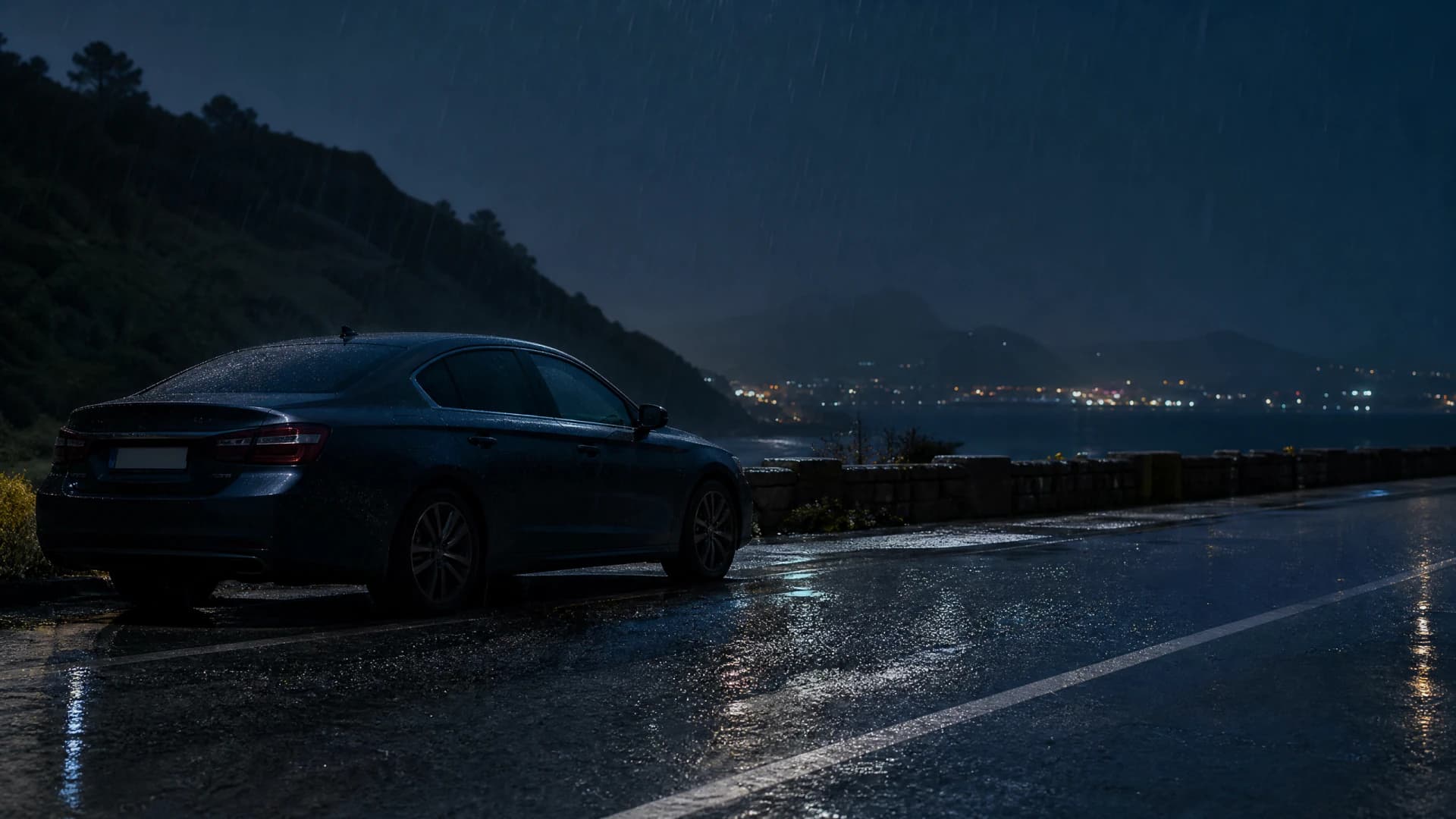
The SR-22 filing costs $25-$50 once. The non-standard tier premium—often $150-$400/month higher than your old rate—is the real cost, and it varies significantly by carrier.
Related Articles



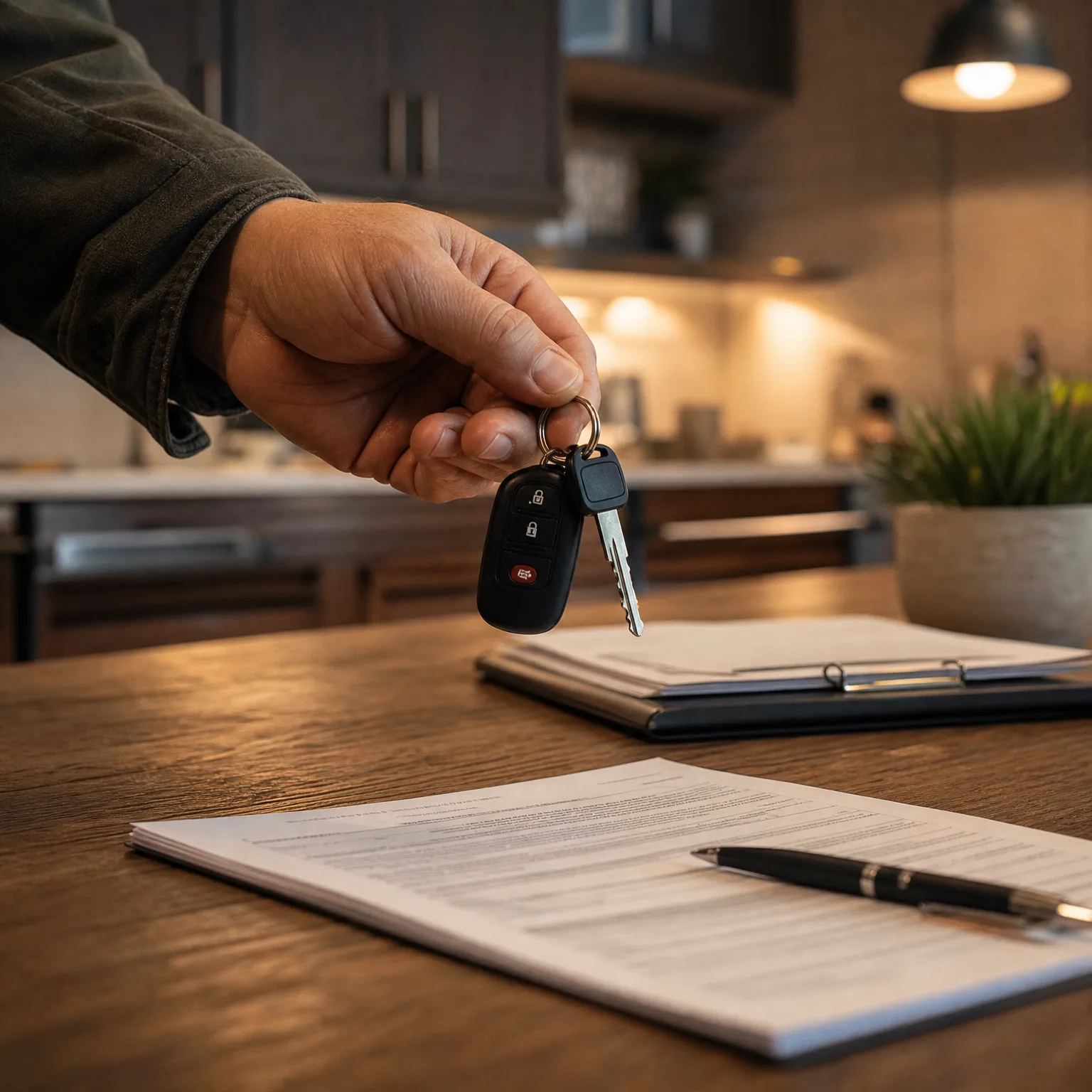
Wisconsin SR-22 Filing Duration and Lapse Consequences
Wisconsin requires SR-22 filing for 3 years following OWI-related reinstatement. The 3-year clock starts from your reinstatement date, not your conviction date or suspension start date. If you apply for an Occupational License during suspension, the SR-22 requirement begins when the OL is issued and runs for 3 years from that date. If you wait until full reinstatement, the 3-year period begins on your reinstatement date. This matters because filing early (with an Occupational License) means you satisfy the requirement sooner.
If your SR-22 policy lapses for any reason—you cancel coverage, miss a payment and the carrier cancels, or you switch carriers without ensuring the new carrier files before the old policy ends—Wisconsin DOT receives an electronic notification within 24 hours. WisDOT suspends your license immediately upon receiving the lapse notice, even if you reinstate coverage the next day. The suspension for SR-22 lapse is separate from your original OWI suspension and requires a separate $60 reinstatement fee plus proof of continuous coverage moving forward. The 3-year SR-22 clock resets from the new reinstatement date, not the original one.
To avoid lapse: if you switch carriers, have the new carrier file the SR-22 certificate with WisDOT before you cancel the old policy. A gap of even one day triggers the lapse suspension. If you're setting up automatic payments, confirm the payment method is current and funded—non-standard carriers cancel for non-payment faster than preferred carriers, often with as little as 10 days' notice. If you receive a cancellation notice, reinstate immediately or find a new carrier before the cancellation effective date. One lapse adds a year or more to your total SR-22 filing period and costs you another $60 reinstatement fee.
3 years
Wisconsin SR-22 Filing Period
Wisconsin requires SR-22 filing for 3 years after OWI reinstatement or Occupational License issuance, per Wis. Stat. § 344.62 and WisDOT SR-22 program rules. If coverage lapses, the clock resets from the new reinstatement date—extending your total SR-22 period beyond 3 years.
Wis. Stat. § 344.62, Wisconsin Department of Transportation SR-22 requirements
Non-Owner SR-22 for Racine Drivers Without a Vehicle
If you don't currently own a vehicle but need SR-22 to apply for an Occupational License or satisfy reinstatement requirements, a non-owner SR-22 policy covers you. Non-owner policies provide liability coverage when you drive a vehicle you don't own—a borrowed car, a rental, or a vehicle provided by an employer. Wisconsin requires the same minimum liability limits for non-owner policies as for standard policies: $25,000/$50,000/$10,000.
Non-owner SR-22 policies cost significantly less than standard policies because they exclude collision and comprehensive coverage (you don't own the vehicle being insured) and carry lower risk (occasional use rather than daily commuting). Typical non-owner SR-22 premiums in Wisconsin range from $30 to $80 per month depending on your OWI offense date and prior driving record. Progressive, Geico, Dairyland, GAINSCO, The General, and USAA all write non-owner SR-22 policies in Wisconsin. Not all allow online quoting for non-owner—some require calling an agent.
The non-owner policy satisfies Wisconsin's SR-22 filing requirement and keeps you legally compliant during your suspension or Occupational License period. When you eventually purchase a vehicle, you'll need to switch to a standard auto policy and have the new carrier file an updated SR-22 certificate with WisDOT before canceling the non-owner policy. Do not cancel the non-owner policy until the new SR-22 is filed—gaps trigger immediate suspension.
Getting an Occupational License with SR-22 in Racine County
Wisconsin calls its restricted license an Occupational License. You apply through Racine County Circuit Court, not WisDOT. The court petition requires proof of essential need (employment, school, medical treatment, AODA program attendance, or church), a proposed driving schedule (maximum 12 hours per day, 60 hours per week), and an SR-22 certificate proving you hold liability insurance. The court grants or denies the petition based on your specific need and violation history. First-offense OWI drivers are generally eligible immediately after the 30-day administrative suspension period ends. Second or subsequent offenses face a mandatory 90-day hard suspension before Occupational License eligibility begins, per Wis. Stat. § 343.10(5)(b).
You must have the SR-22 policy in place before filing the court petition—the petition form requires attaching proof of SR-22 filing. This means you secure the non-standard carrier quote, purchase the policy, and have the carrier file the SR-22 with WisDOT before you file in Racine County Circuit Court. The court order, once granted, specifies the exact hours and purposes you're allowed to drive. Violating those terms—driving outside the approved hours or for unapproved purposes—results in immediate OL revocation and criminal charges for driving after revocation (a separate offense with its own penalties and suspension period).

What to Do Right Now
Request quotes from at least three carriers that write non-standard SR-22 policies in Racine: Progressive, Geico, and Bristol West all quote online. Dairyland, The General, and GAINSCO require calling. Provide your exact OWI conviction date, BAC if over .15, and whether you currently own a vehicle. If you don't own a vehicle, request non-owner SR-22 quotes specifically—premiums will be significantly lower. Compare the monthly premium, the SR-22 filing fee, and the carrier's lapse notification process. Purchase the policy that fits your budget and have the carrier file the SR-22 certificate with Wisconsin DOT electronically. Once filed, you can proceed with your Occupational License petition in Racine County Circuit Court or, if your suspension period has ended, apply for full reinstatement with WisDOT. The SR-22 filing is required either way. Compare carriers now—the premium difference over 3 years is substantial, and securing affordable coverage is the step that unblocks everything else.
How to Compare Non-Standard SR-22 Carriers in Racine
Start with carriers confirmed to write SR-22 non-standard policies in Wisconsin: Progressive and Geico write statewide and quote online. Bristol West, Dairyland, The General, and GAINSCO all write high-risk auto in Wisconsin and file SR-22, but availability varies by county—Racine County is covered by all four as of current underwriting territory maps. National General writes SR-22 after DUI but uses appointed agents rather than direct online quoting. Get quotes from at least three of these carriers before deciding. Monthly premium spreads of $100-$200 between the highest and lowest quote are common for identical coverage.
When you request a quote, provide your exact OWI conviction date (not arrest date—Wisconsin counts from conviction), your BAC if it was over .15 (high-BAC OWI triggers longer SR-22 periods and sometimes affects tier placement), and whether this is a first or subsequent offense. Carriers price second-offense OWI significantly higher than first. If you completed an AODA assessment or treatment program, mention it—some carriers offer modest discounts for completed alcohol education. Do not assume the first quote you receive is the market rate. Non-standard underwriting varies more than standard, and the range widens for DUI violations.
Get Your Free Quote
Get My Wisconsin DUI Insurance QuoteFrequently Asked Questions
How much does SR-22 insurance cost after a DUI in Racine, Wisconsin?
The SR-22 certificate itself costs $25 to $50 as a one-time filing fee. The premium increase comes from moving into the non-standard carrier tier, which prices policies higher for DUI-convicted drivers. Non-standard SR-22 premiums in Wisconsin typically range from $150 to $400 per month depending on your offense date, prior record, and the carrier. Comparing at least three carriers writing non-standard auto in Racine produces premium spreads of $100-$200 monthly for identical coverage.
Can I get an Occupational License in Wisconsin with SR-22 insurance after a DUI?
Yes. Wisconsin Occupational Licenses require SR-22 proof of insurance as part of the court petition. You must secure a non-standard carrier policy and have the carrier file the SR-22 with Wisconsin DOT before filing your petition in Racine County Circuit Court. First-offense OWI drivers are eligible immediately after the 30-day administrative suspension ends. Second or subsequent offenses face a mandatory 90-day hard suspension before Occupational License eligibility begins, per Wis. Stat. § 343.10(5)(b).
What happens if my SR-22 insurance lapses in Wisconsin?
Wisconsin DOT receives electronic notification within 24 hours of any SR-22 policy lapse and suspends your license immediately. The suspension is separate from your original DUI suspension and requires a separate $60 reinstatement fee. The 3-year SR-22 filing clock resets from the new reinstatement date, not the original date, extending your total filing period. To avoid lapse, have your new carrier file the SR-22 before canceling your old policy if switching carriers.
Which insurance companies write SR-22 policies after DUI in Wisconsin?
Progressive, Geico, Bristol West, Dairyland, The General, GAINSCO, and National General all write non-standard SR-22 policies in Wisconsin. Progressive and Geico quote online statewide. Bristol West, Dairyland, The General, and GAINSCO operate in Racine County and file SR-22 electronically with Wisconsin DOT. Not all carriers price identically—monthly premium differences of $100-$200 are common for the same driver and coverage.
Do I need SR-22 insurance if I don't own a car in Wisconsin?
Yes, if Wisconsin DOT or the court requires SR-22 filing for reinstatement or an Occupational License. A non-owner SR-22 policy provides liability coverage when you drive borrowed or rented vehicles and satisfies the SR-22 filing requirement. Non-owner policies cost $30 to $80 per month in Wisconsin—significantly less than standard policies because they exclude collision and comprehensive coverage. Progressive, Geico, Dairyland, GAINSCO, The General, and USAA all write non-owner SR-22 in Wisconsin.
How long do I need SR-22 insurance after a DUI in Wisconsin?
Wisconsin requires SR-22 filing for 3 years following OWI reinstatement or Occupational License issuance. The 3-year period begins on your reinstatement date or OL issue date, not your conviction date. If your policy lapses at any point during the 3 years, the clock resets from the date you reinstate coverage, extending your total SR-22 period beyond 3 years.