
Best Value DUI Insurance — Wisconsin
Free to compare
Why Wisconsin DUI Insurance Quotes Vary by Hundreds Per Month
You received a Wisconsin DUI conviction and now face a mandatory three-year SR-22 filing requirement. You requested quotes from three carriers and received wildly different numbers—one quoted $240/month, another $420/month, and a third refused to quote at all. The conviction is the same across all three quotes. The coverage limits are identical. So why the spread?
Non-standard carriers that write SR-22 policies in Wisconsin do not write all 72 counties uniformly. Some write Milwaukee and Dane counties only. Others write rural counties but exclude Madison and Green Bay. A carrier that writes your ZIP code aggressively may offer a $180/month policy while a carrier that writes your county reluctantly quotes $380 for the same coverage. This territorial underwriting creates county-specific rate gaps that have nothing to do with your driving record and everything to do with which carriers consider your address profitable.
“A single day of coverage lapse restarts Wisconsin's three-year SR-22 clock from zero and suspends your license immediately.”

Get Back to a Fair Rate in Wisconsin After a DUI
Get My Wisconsin DUI Insurance Quote3 years
Wisconsin SR-22 Filing Period
Wisconsin requires continuous SR-22 filing for three years following an OWI conviction, measured from the conviction date under Wis. Stat. § 343.10. Any lapse in coverage—even a single day—resets the three-year clock to day zero, requiring you to maintain filing for a new three-year period from the date coverage resumes.
Wis. Stat. § 343.10
What SR-22 Actually Costs You in Wisconsin
The SR-22 certificate itself carries a small one-time filing fee set by the carrier and state, typically processed when the carrier submits your proof of insurance to the Wisconsin Department of Transportation. That fee is not the cost problem. The cost problem is the non-standard tier you now occupy.
Wisconsin OWI convictions move you from the standard or preferred insurance tier into the non-standard tier. Non-standard carriers write policies for drivers with violations, suspensions, or lapses. These carriers assess higher base premiums because the risk pool statistically produces more claims. Your actual premium depends on which non-standard carriers write your county, how old your conviction is, whether you own your vehicle outright or finance it, and whether you stack other violations on top of the DUI within the same three-year window.
Carriers writing Wisconsin SR-22 policies include Dairyland, GAINSCO, Progressive, Geico, The General, Bristol West, National General, and State Farm. Not all write all counties. Not all accept first-offense DUI drivers the same way they accept second-offense drivers. You will encounter carriers that flat-out decline to quote, carriers that quote but attach restrictions, and carriers that quote competitively because your county and violation profile fit their underwriting model.
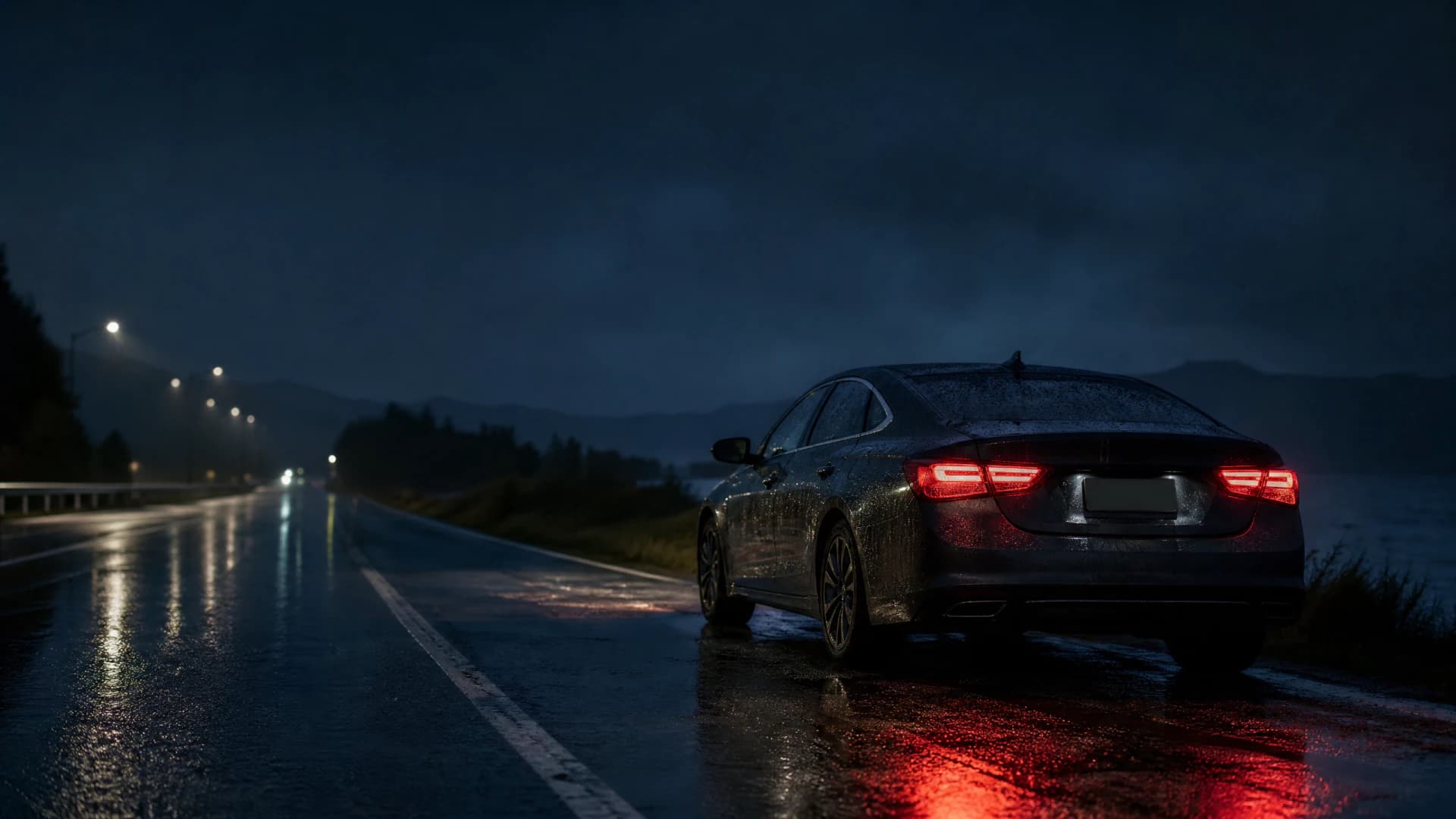
A single day of coverage lapse restarts Wisconsin's three-year SR-22 clock from zero—your carrier will notify WisDOT electronically the moment your policy cancels, triggering immediate suspension and resetting your filing obligation.
Related Articles

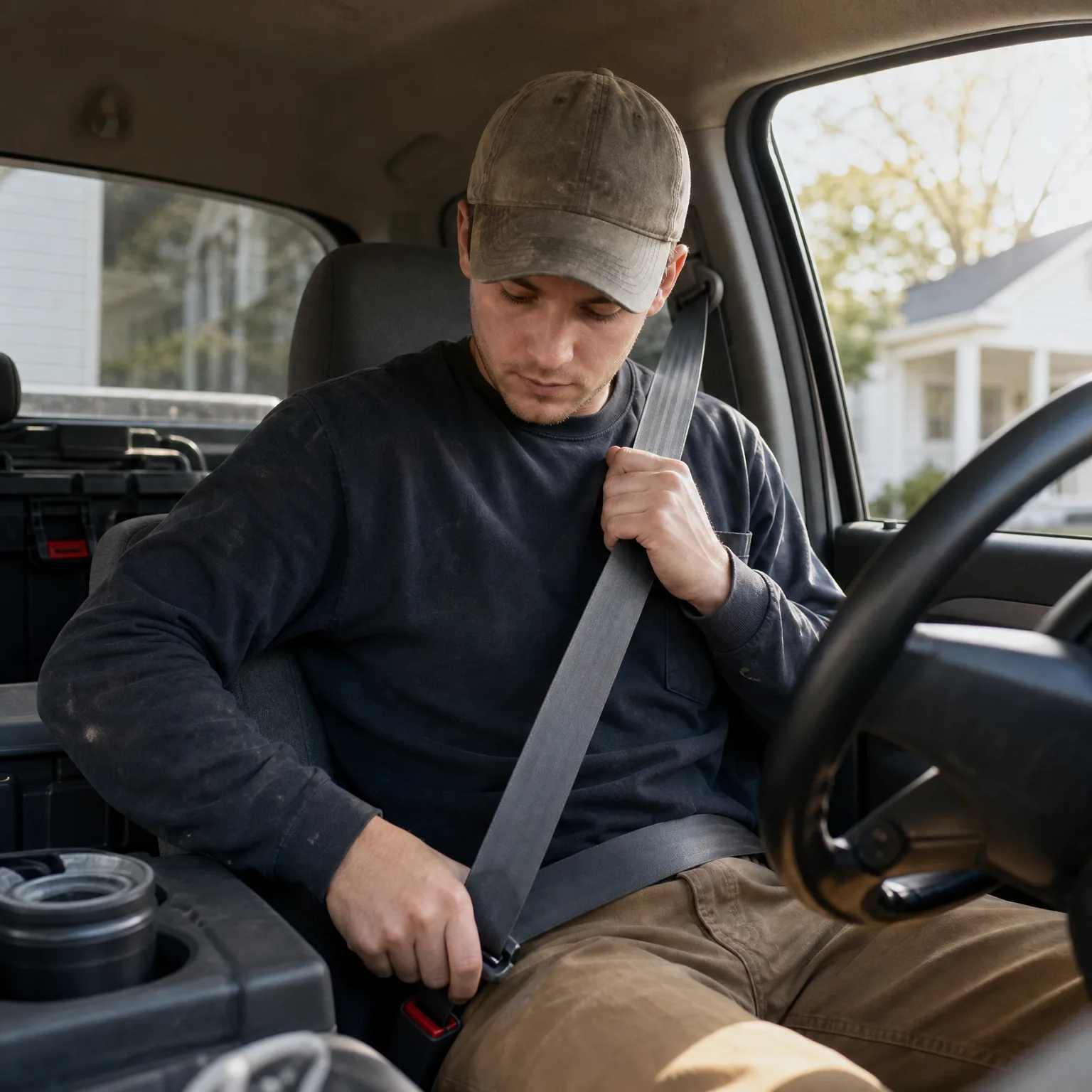


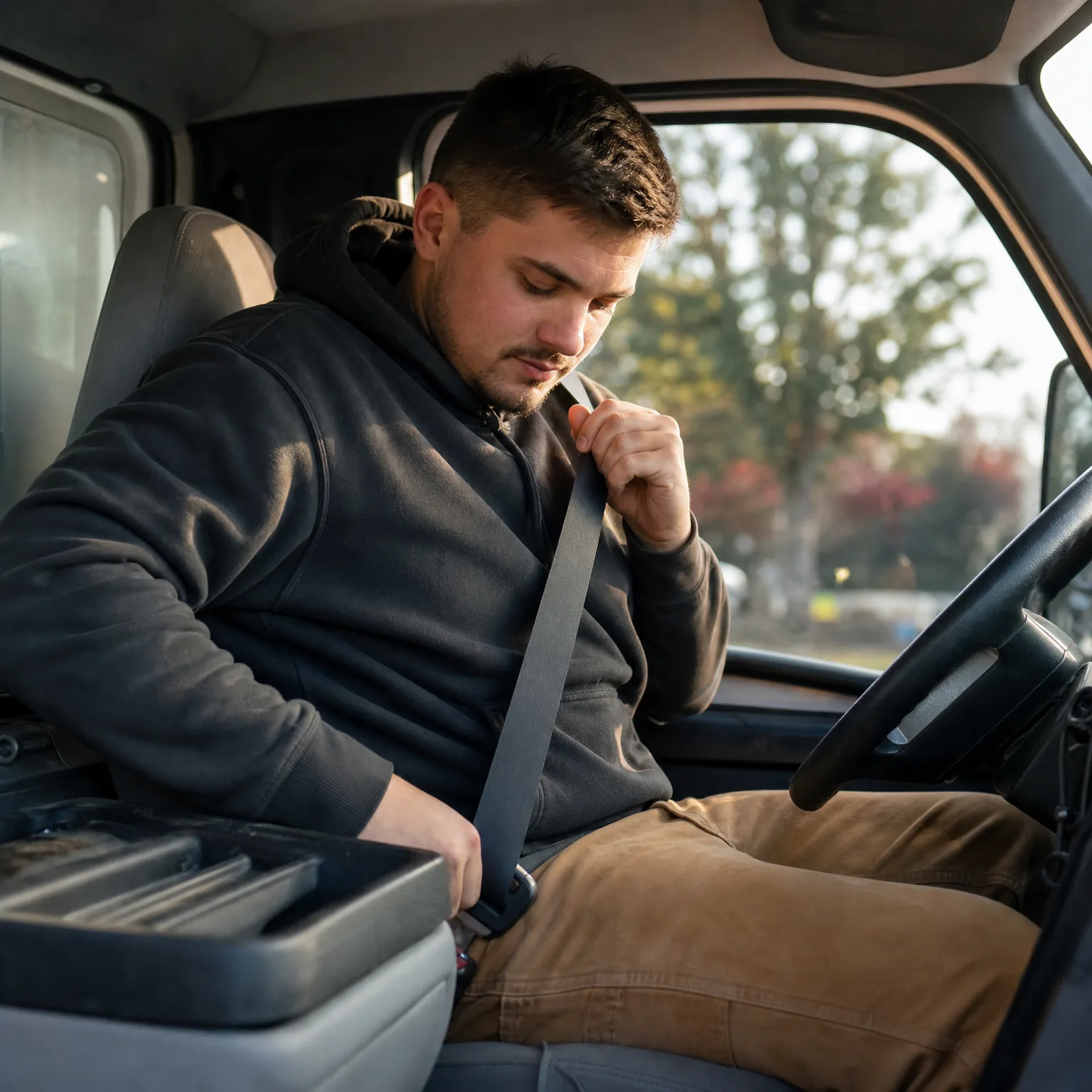


Non-Owner SR-22 When You Sold Your Vehicle
If you no longer own a vehicle after your Wisconsin DUI conviction, you still face the three-year SR-22 filing requirement to reinstate your license. A non-owner SR-22 policy satisfies this requirement without insuring a specific vehicle. Non-owner policies provide liability coverage when you drive a borrowed or rented vehicle, and they maintain the continuous SR-22 filing WisDOT monitors.
Non-owner SR-22 policies cost substantially less than standard SR-22 policies because they exclude collision and comprehensive coverage. Expect monthly premiums in a lower range than vehicle-owner policies, but confirm the carrier writes non-owner policies in Wisconsin—not all non-standard carriers offer this product. Dairyland, Progressive, Geico, and USAA write non-owner SR-22 policies in Wisconsin. The General and GAINSCO write them selectively depending on your county and violation count.
Non-owner policies require continuous payment just like vehicle-owner policies. A lapse triggers the same SR-22 cancellation notice to WisDOT, resets your three-year clock, and suspends your license. Set up automatic payment or calendar reminders for manual payment to avoid accidental lapses.
$60
Wisconsin Reinstatement Fee
Wisconsin charges a $60 base reinstatement fee to restore a suspended license under standard suspension actions. If you hold multiple concurrent suspensions—for example, an OWI suspension stacked with a separate financial responsibility suspension—Wisconsin assesses a separate $60 fee for each underlying action, potentially raising your total reinstatement cost well above the base amount.
Wisconsin Department of Transportation fee schedule

Occupational License Insurance Requirements During Suspension
Wisconsin allows eligible drivers to apply for an Occupational License during suspension periods, permitting restricted driving for work, school, medical appointments, church, and alcohol treatment programs. Obtaining an Occupational License requires a court petition, proof of employment or essential need, and an active SR-22 filing on file with WisDOT before the court grants the order.
You cannot receive an Occupational License without SR-22 insurance already in force. The court will not issue the order until WisDOT confirms your SR-22 filing. This creates a procedural sequence: obtain SR-22 insurance first, wait for your carrier to electronically file proof with WisDOT, then petition the court with your SR-22 confirmation and employment documentation. For first-offense OWI convictions, Wisconsin imposes a 30-day hard suspension period before Occupational License eligibility. For second or subsequent OWI offenses within ten years, the hard suspension extends to 90 days under Wis. Stat. § 343.10(5)(b).
Occupational License restrictions are court-defined and vary by case. Expect limits on total driving hours per day and per week—commonly a maximum of twelve hours per day and sixty hours per week. The court order specifies approved purposes, approved routes, and approved time windows. Violating these restrictions triggers automatic revocation of the Occupational License, an additional suspension period, and potential criminal charges for operating after revocation.
Get Quotes from Carriers Writing Your County Now
Your next step is to compare actual SR-22 quotes from carriers actively writing your Wisconsin county. Do not settle for the first quote, and do not assume the carrier that insured you before your DUI conviction will offer the best rate now that you occupy the non-standard tier. SR-22 insurance pricing is competitive only when you compare multiple non-standard carriers side-by-side, and county-specific underwriting means a carrier expensive in Milwaukee may price competitively in La Crosse or vice versa. Request quotes for identical liability limits, compare twelve-month total costs including all fees, and confirm each carrier will maintain continuous electronic filing with WisDOT for the full three-year period. Avoid any coverage gap—even one day restarts your three-year clock and suspends your license immediately.
How to Compare Carriers Without Wasting Time
Start by identifying which carriers actively write SR-22 policies in your Wisconsin county. Dairyland writes statewide and accepts first-offense OWI drivers in most counties. GAINSCO entered Wisconsin in 2021 and writes selectively. Progressive writes SR-22 statewide but prices some counties higher than others based on claim frequency. The General writes high-risk drivers but may decline if you stack multiple violations within 36 months. Geico writes SR-22 in Wisconsin but often prices OWI drivers into the non-competitive range. Bristol West writes through independent agents and requires broker contact rather than online quoting.
Once you know which carriers write your ZIP code, request quotes for identical coverage limits: Wisconsin's state minimum liability of $25,000 per person, $50,000 per accident, and $10,000 property damage. Add uninsured motorist coverage, which Wisconsin requires. Compare monthly premiums, payment plan fees, and any down payment requirements. Carriers structure payment plans differently—one may offer monthly payments with a $15/month installment fee, another may require six months paid upfront, and a third may waive installment fees if you set up automatic withdrawal. Calculate the twelve-month total cost including all fees to compare accurately.
Get Your Free Quote
Get My Wisconsin DUI Insurance QuoteFrequently Asked Questions
How much does SR-22 insurance cost after a DUI in Wisconsin?
SR-22 insurance premiums after a Wisconsin DUI vary by carrier, county, and your specific violation profile. Non-standard carriers writing your county determine pricing based on territorial underwriting models, so quotes can differ by hundreds of dollars per month for identical coverage. Request quotes from multiple carriers writing your ZIP code to identify the lowest available rate.
Does Wisconsin require SR-22 for all DUI convictions?
Yes. Wisconsin requires SR-22 filing for three years following an OWI conviction under Wis. Stat. § 343.10. The three-year period begins on your conviction date, not your filing date. Any lapse in SR-22 coverage resets the three-year clock to day zero and triggers immediate license suspension.
Can I get an Occupational License in Wisconsin without SR-22 insurance?
No. Wisconsin courts will not issue an Occupational License order until WisDOT confirms you have an active SR-22 filing on record. You must obtain SR-22 insurance first, wait for your carrier to electronically file proof with WisDOT, then petition the court with SR-22 confirmation and documentation of employment or essential need.
What happens if my SR-22 insurance lapses in Wisconsin?
Your carrier electronically notifies WisDOT the moment your SR-22 policy cancels. WisDOT immediately suspends your license and resets your three-year SR-22 filing requirement to day zero. You must obtain new SR-22 coverage, pay reinstatement fees, and restart the three-year filing period from the date coverage resumes.
Do I need SR-22 if I don't own a car in Wisconsin?
Yes, if your license suspension requires SR-22 filing for reinstatement. A non-owner SR-22 policy satisfies Wisconsin's filing requirement without insuring a specific vehicle. Non-owner policies provide liability coverage when you drive borrowed or rented vehicles and maintain the continuous SR-22 filing WisDOT monitors throughout your three-year requirement.
Which insurance carriers write SR-22 policies in Wisconsin?
Carriers writing SR-22 policies in Wisconsin include Dairyland, GAINSCO, Progressive, Geico, The General, Bristol West, National General, and State Farm. Not all carriers write all 72 Wisconsin counties uniformly. Some write selectively based on county claim frequency and territorial underwriting models, creating county-specific rate differences for identical coverage.