
Quick OWI Insurance Quote — Wisconsin
Free to compare
You Need Coverage Before the Conviction Window Closes
You were arrested for OWI in Wisconsin. The court date is weeks away, but your current carrier just sent a cancellation notice. Your employer's HR department needs proof of insurance Monday morning or you lose your route. You're stuck between a pending charge that hasn't been adjudicated and an insurance industry that treats arrest and conviction as the same risk trigger.
The structural reality: Wisconsin carriers will write you immediately after OWI arrest, before conviction, if you disclose the pending charge during the quote process. Most arrested drivers wait until after conviction to shop, thinking no carrier will touch them pre-trial. That delay costs them coverage gaps, employment complications, and unnecessary license suspension exposure. The 30-day administrative suspension clock under Wis. Stat. § 343.305 starts at arrest for test refusal or BAC over 0.08 — not at conviction. Waiting until conviction means you've already burned half your window to secure compliant coverage before the hard suspension hits.
“Wisconsin carriers will write you immediately after OWI arrest if you disclose the pending charge — waiting until conviction burns half your compliance window.”

Get Back to a Fair Rate in Wisconsin After a DUI
Get My Wisconsin DUI Insurance Quote30 days
Wisconsin Admin Suspension Notice
Under Wis. Stat. § 343.305, the administrative suspension for OWI arrest (test refusal or BAC over limit) takes effect 30 days after notice. Your driving privileges remain valid for those 30 days, but the clock is running whether or not you've been convicted.
Wis. Stat. § 343.305
Arrest Disclosure Is Mandatory, Not Optional
Wisconsin carriers ask about pending charges, not just convictions. When you request a quote, the application will include a question about recent arrests, citations, or pending alcohol-related charges. Answering 'no' when you have a pending OWI is material misrepresentation — the carrier can void your policy retroactively when the charge appears in their next MVR pull, leaving you uninsured during the period you thought you were covered.
Disclosing the arrest does not automatically disqualify you. Progressive, Geico, Dairyland, Bristol West, The General, and National General all write Wisconsin drivers with pending OWI charges. Your rate will reflect the elevated risk, typically 60% to 120% higher than your pre-arrest premium, but you will have active, legally compliant coverage. Non-standard carriers like Dairyland and Bristol West specialize in post-arrest and post-conviction situations and often deliver the most competitive quotes in this window.
Some drivers try to secure quotes without disclosing, planning to 'update' the carrier later. This strategy fails. The carrier pulls your MVR within 30 to 60 days of policy issuance. The arrest appears. The policy is voided from inception. You're left with a coverage gap, a cancelled-for-misrepresentation flag on your insurance history, and potential penalties from Wisconsin DMV for driving uninsured during a period you believed you were covered.
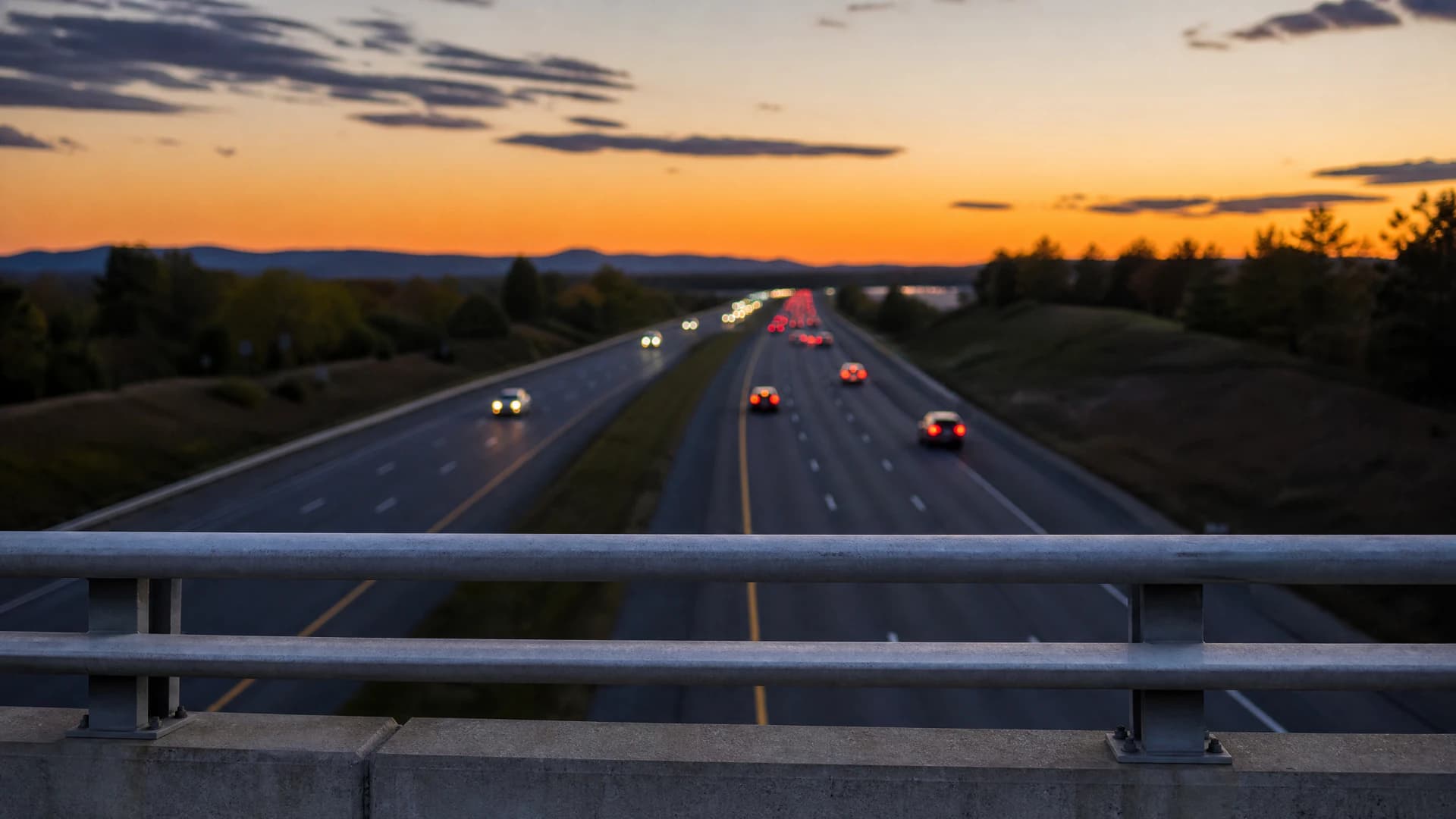
You cannot outrun the MVR pull. Carriers discover pending charges within 60 days of policy issuance — non-disclosure voids your policy retroactively, leaving you uninsured during the coverage period you thought you had.




Occupational License and Coverage Requirements
Wisconsin's Occupational License allows limited driving during suspension for essential purposes: work, school, medical appointments, church, and court-ordered alcohol treatment. Under Wis. Stat. § 343.10, obtaining an Occupational License requires a court order, proof of employment or essential need, and SR-22 proof of financial responsibility. The SR-22 must be on file with Wisconsin DOT before the court will grant the order.
First-offense OWI administrative suspensions in Wisconsin do not impose a mandatory hard suspension period before Occupational License eligibility under the administrative track. However, if you are convicted in criminal court, the judge may impose a waiting period before allowing an Occupational License — typically 30 days for first offense, 90 days for second or subsequent within 10 years per Wis. Stat. § 343.10(5)(b). The administrative and judicial tracks run in parallel. You face two separate suspension actions: one from DOT for the failed test or refusal, one from the court upon conviction. Each has its own reinstatement process.
Your insurance policy must remain active and SR-22-compliant throughout the entire Occupational License period and for three years following reinstatement of your full license. If your policy lapses for any reason — non-payment, cancellation, switching carriers without maintaining continuous SR-22 filing — Wisconsin DOT is notified electronically within 24 hours under the state's insurance verification system (Wis. Stat. § 344.62). The lapse triggers immediate suspension of your Occupational License and resets your three-year SR-22 clock from zero.
3 years
Wisconsin SR-22 Filing Period
Wisconsin requires SR-22 filing for three years following OWI-related reinstatements. The clock resets to zero if your coverage lapses at any point during the three-year period. Continuous coverage without gaps is the only path to clearing the SR-22 requirement.
Wisconsin DOT reinstatement guidelines

Non-Owner Policies for Drivers Without Vehicles
If you do not own a vehicle, Wisconsin still requires proof of insurance to reinstate your license or obtain an Occupational License. A non-owner SR-22 policy satisfies this requirement. Non-owner policies provide liability coverage when you drive a vehicle you do not own — a borrowed car, a rental, or a company vehicle. They do not cover a vehicle titled in your name.
Non-owner policies are significantly cheaper than standard auto policies because they carry no collision or comprehensive exposure. Expect monthly premiums between $45 and $85 for minimum Wisconsin liability limits with SR-22 filing, depending on your age and county. Geico, Progressive, Dairyland, The General, and USAA all write non-owner SR-22 policies in Wisconsin. If you plan to remain vehicle-free during your suspension and Occupational License period, non-owner coverage is the most cost-effective compliance path.
Getting a Quote Right Now
Start with carriers that specialize in high-risk and post-violation drivers: Dairyland, Bristol West, The General, Progressive, and Geico. Use each carrier's online quote tool or call directly. Disclose the pending OWI charge when asked about recent violations or arrests. Provide your current license number, the arrest date, and whether you refused or submitted to chemical testing. The carrier will generate a quote reflecting the elevated risk. Accept the quote that balances affordability and coverage limits appropriate for your situation.
If you need SR-22 filing immediately because you've already received an administrative revocation notice, request it during the quote process. The carrier will file electronically with Wisconsin DOT within 24 to 48 hours. If your criminal case is still pending and you have not received a revocation notice, secure the base policy now and add SR-22 later when the requirement is confirmed. Switching from a non-SR-22 policy to an SR-22 policy with the same carrier is a simple endorsement — it does not require re-quoting or re-underwriting. You are not locked into your initial decision. Compare rates across at least three carriers before committing. Post-OWI premiums vary by 40% to 80% between carriers for the same coverage limits and driver profile.
SR-22 Timing: Arrest vs Conviction
If you refused the chemical test or your BAC exceeded 0.08, Wisconsin DOT will issue an administrative revocation separate from any criminal court proceedings. That administrative action triggers the SR-22 requirement immediately, even if your criminal case is still pending. The SR-22 must be filed before you can obtain an Occupational License during the revocation period. If you submitted to testing and your case is proceeding through court without an administrative revocation, the SR-22 requirement does not trigger until conviction.
Many arrested drivers assume they need SR-22 immediately and request it from their carrier at the quote stage. This is premature unless you have already received the administrative revocation notice from Wisconsin DOT. Requesting SR-22 before it is legally required adds filing fees and processing time to your quote without any compliance benefit. Wait until you receive formal notification of the SR-22 requirement — either from DOT for administrative revocation or from the court upon conviction — before initiating the filing. Your carrier can add SR-22 to an existing policy in 24 to 48 hours once the requirement is confirmed.
Get Your Free Quote
Get My Wisconsin DUI Insurance QuoteFrequently Asked Questions
Can I get car insurance in Wisconsin with a pending OWI charge?
Yes. Progressive, Geico, Dairyland, Bristol West, The General, and National General all write Wisconsin drivers with pending OWI charges. You must disclose the arrest during the quote process. Rates will be 60% to 120% higher than pre-arrest premiums, but coverage is available immediately.
Do I need SR-22 filing immediately after OWI arrest in Wisconsin?
Not always. SR-22 is required if you receive an administrative revocation notice from Wisconsin DOT for test refusal or BAC over 0.08. If your case is proceeding without administrative revocation, SR-22 is not required until conviction. Wait for formal notification before requesting SR-22 to avoid unnecessary filing fees.
How long does SR-22 filing last after OWI conviction in Wisconsin?
Three years from the date of reinstatement. If your coverage lapses at any point during the three-year period, the clock resets to zero and you must maintain SR-22 for another full three years from the date coverage is restored.
What is the cheapest car insurance after OWI arrest in Wisconsin?
Non-standard carriers like Dairyland and Bristol West typically offer the most competitive post-arrest rates in Wisconsin. For drivers without vehicles, non-owner SR-22 policies from Geico, Progressive, or The General range from $45 to $85 per month. Compare at least three carriers before committing.
Can I get an Occupational License in Wisconsin without SR-22 insurance?
No. Wisconsin Stat. § 343.10 requires SR-22 proof of financial responsibility before the court will grant an Occupational License. The SR-22 must be on file with Wisconsin DOT at the time of your court hearing for the Occupational License petition.
What happens if I don't disclose my pending OWI to my insurance company?
Your policy will be voided retroactively when the carrier discovers the arrest during their next MVR pull, typically within 30 to 60 days. You will be left with a coverage gap, a cancelled-for-misrepresentation flag on your insurance history, and potential penalties from Wisconsin DMV for driving uninsured.
How much does car insurance cost after OWI in Wisconsin?
Expect monthly premiums 60% to 120% higher than your pre-arrest rate. For minimum Wisconsin liability limits with SR-22, typical premiums range from $140 to $220 per month for standard vehicles. Non-owner policies range from $45 to $85 per month. Rates vary significantly by carrier, age, county, and vehicle type.