
Non-Owner OWI Insurance — Wisconsin
Free to compare
The Non-Owner Filing Requirement After OWI
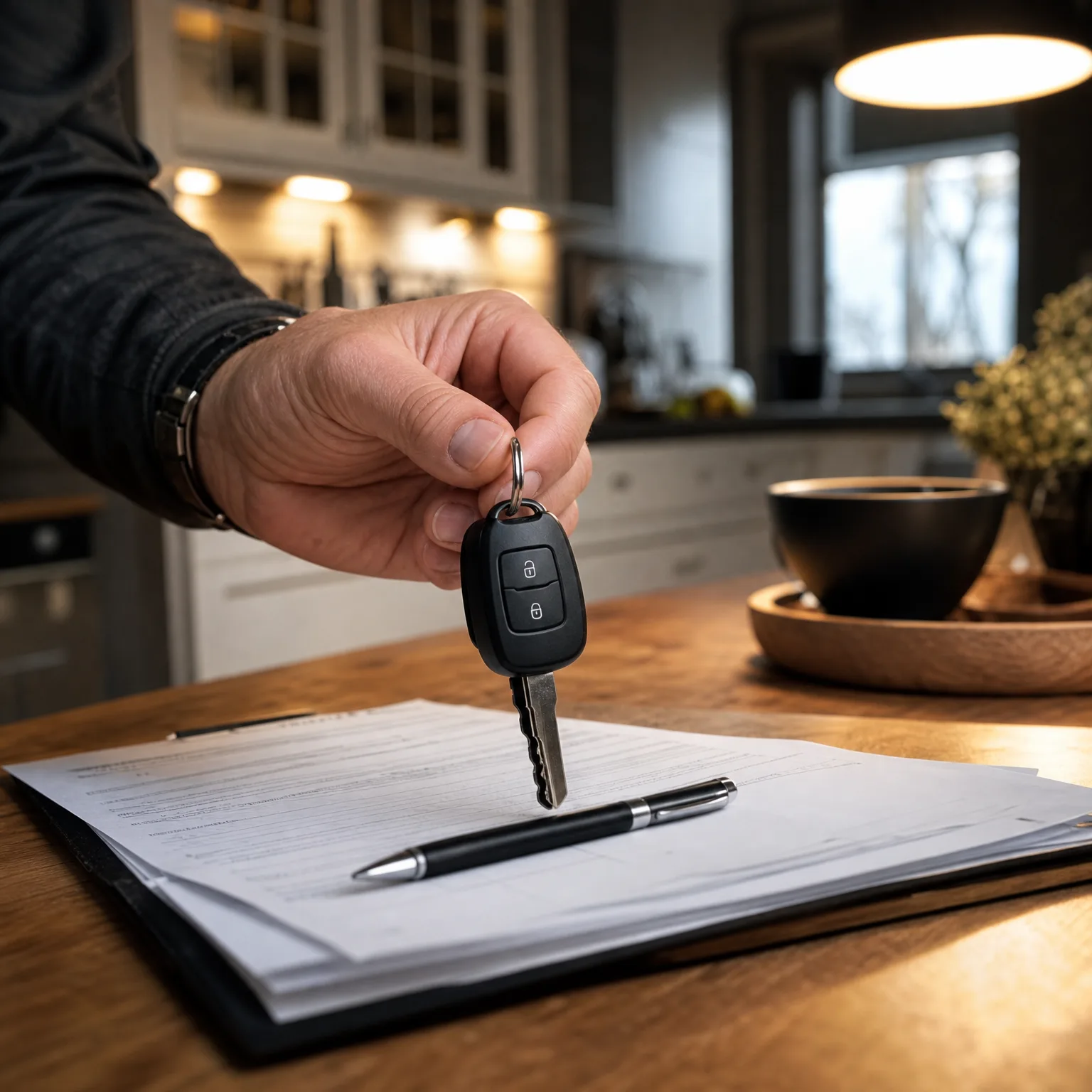
You sold your car after the OWI arrest. You're using rideshare to get around. You're not driving at all right now. Wisconsin's SR-22 requirement still applies to you — even without a vehicle registered in your name — if you want an Occupational License during suspension or clean reinstatement when the revocation period ends.
The structural confusion here is straightforward: SR-22 is proof of insurance, and most people assume insurance requires owning a car. It doesn't. Wisconsin accepts SR-22 certificates backed by non-owner policies — liability-only coverage that follows you as a driver, not a specific vehicle. The non-owner policy satisfies the state's financial responsibility mandate without requiring you to insure a car you don't own.
“Non-owner policies satisfy Wisconsin's SR-22 mandate without requiring you to insure a car you don't own.”

Get Back to a Fair Rate in Wisconsin After a DUI
Get My Wisconsin DUI Insurance Quote$35–$65/mo
Non-Owner SR-22 Premium
Monthly cost for minimum liability coverage with SR-22 filing in Wisconsin. Actual rate depends on your OWI count, age, and county — second OWI within 10 years typically doubles the base rate.
Carrier rate filings and non-standard auto underwriting data for Wisconsin, 2025
What Non-Owner Coverage Actually Insures
Non-owner auto insurance provides liability coverage when you drive a vehicle you do not own. If you borrow a friend's car, rent a car for the weekend, or use a family member's vehicle occasionally, the non-owner policy covers bodily injury and property damage you cause to others. It does not cover damage to the vehicle you're driving — that falls to the vehicle owner's collision coverage or your rental agreement.
Wisconsin's minimum liability limits apply: $25,000 bodily injury per person, $50,000 per accident, and $10,000 property damage. The non-owner policy meets these minimums. When you add the SR-22 endorsement, the carrier electronically files proof of this coverage with the Wisconsin Department of Transportation Division of Motor Vehicles. The filing confirms you maintain continuous financial responsibility even though you don't own a car.
The policy remains active as long as you pay the monthly premium. If you let it lapse, the carrier notifies WisDOT electronically within 10 days. WisDOT treats the lapse as a new violation — your Occupational License is revoked immediately if you have one, or your reinstatement eligibility window resets if you're waiting out the suspension period.
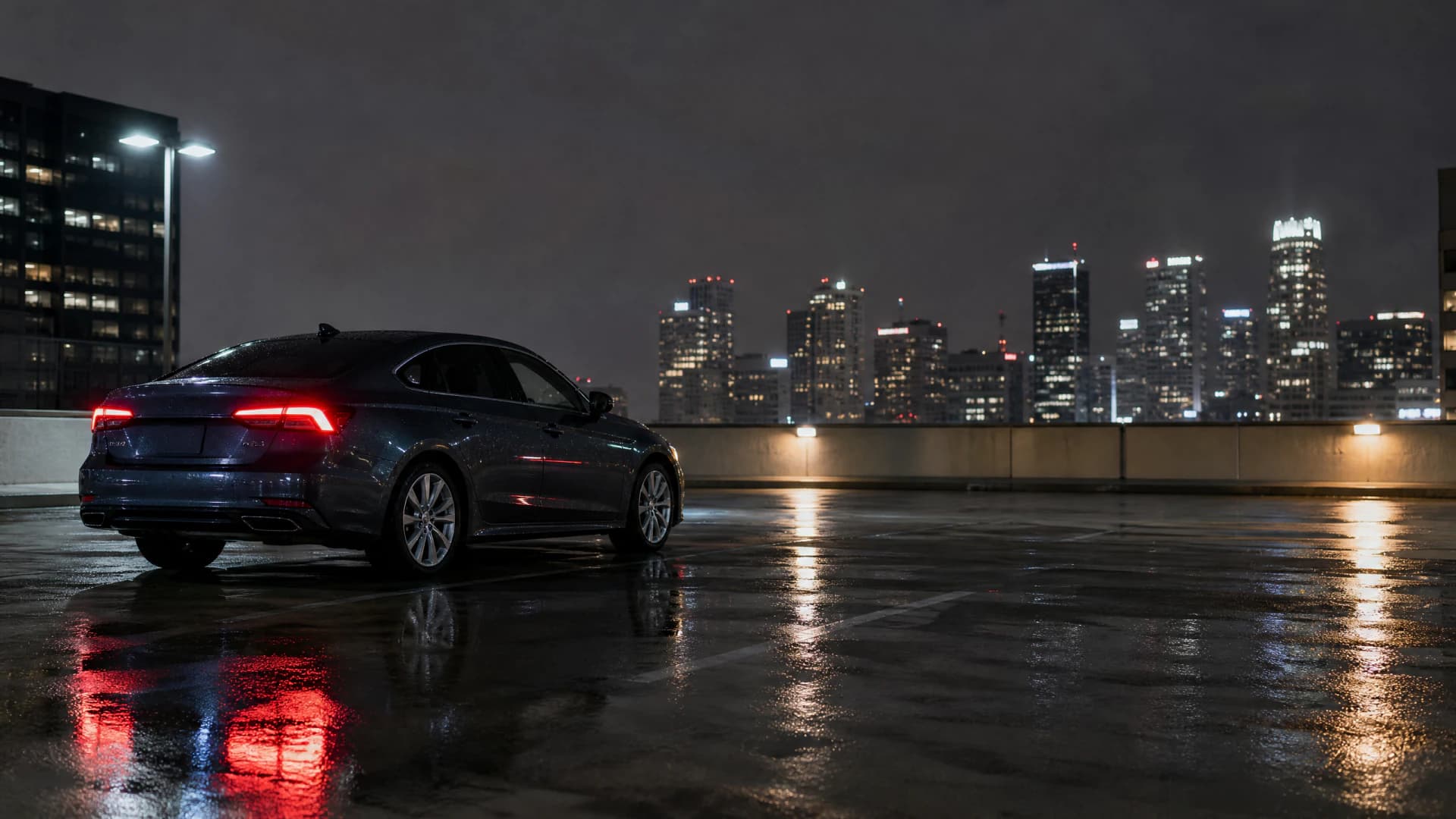
Without vehicle ownership, you're blocked from standard auto policies — but the SR-22 mandate doesn't care. Non-owner coverage bridges the gap.


The Two-Step Court and DMV Process
Wisconsin's Occupational License is not issued by WisDOT directly. You petition the circuit court in the county where the OWI conviction occurred. The court reviews your petition, required documentation (including the SR-22 certificate), proof of employment or essential need (work, school, medical appointments, church, AODA treatment), and ignition interlock device installation confirmation if applicable to your case. The court then issues an order defining your specific driving hours, permitted routes, and approved purposes.
Once the court order is signed, you take it to a Wisconsin DMV service center along with the $60 occupational license fee. WisDOT issues the physical Occupational License document. The license is valid only within the restrictions the court set — driving outside approved hours, routes, or purposes is treated as operating after revocation, a criminal offense carrying additional penalties and potential jail time.
If you let your non-owner SR-22 policy lapse during the Occupational License period, WisDOT receives electronic notice from the carrier and revokes the Occupational License immediately. No grace period exists. You must refile SR-22, pay the $60 reinstatement fee again, and return to court to petition for a new Occupational License order. The lapse becomes part of your driving record and may extend your total revocation period.
3 years
Wisconsin SR-22 Filing Period
Required duration of continuous SR-22 coverage following OWI reinstatement. The clock resets completely if coverage lapses — a single missed payment restarts the 3-year count from zero.
Wisconsin Statute § 344.62–344.65
Carriers Writing Non-Owner SR-22 in Wisconsin
Not all carriers offer non-owner policies, and fewer still write them for drivers with OWI convictions. Progressive, Geico, The General, and Dairyland write non-owner SR-22 policies in Wisconsin and actively underwrite OWI cases in the non-standard tier. USAA offers non-owner SR-22 to eligible military members and their families. Bristol West and GAINSCO write high-risk non-owner policies but require broker contact — they do not offer online quotes for OWI applicants.
Monthly premiums vary by OWI count and time since conviction. First-offense OWI with no prior violations typically costs $35–$50/month for non-owner SR-22. Second offense within 10 years pushes the rate to $60–$85/month. Third offense or multiple suspensions in the last 5 years can reach $100–$140/month depending on county and carrier risk appetite. These estimates reflect Wisconsin non-owner SR-22 pricing as of current underwriting guidelines; individual rates vary by age, zip code, and driving history beyond the OWI.
What Happens When You Buy a Car Later
When you purchase a vehicle while holding a non-owner SR-22 policy, you must notify your carrier immediately and convert to a standard auto policy. The non-owner policy excludes coverage for vehicles you own or regularly use — driving your newly purchased car under a non-owner policy leaves you uninsured. The carrier will not pay a claim.
The SR-22 filing transfers seamlessly from the non-owner policy to the standard policy. Your carrier cancels the non-owner certificate and files a new SR-22 backed by the standard auto policy on the same day. WisDOT sees continuous coverage with no lapse. Your 3-year SR-22 clock does not reset — the filing period continues uninterrupted as long as no gap exists between the two policies. Compare rates before converting: adding a vehicle increases your premium significantly, and not all non-standard carriers offer competitive standard auto rates. Shopping the standard policy separately while maintaining the non-owner SR-22 through conversion can save $40–$80/month in some cases.

Next Step: Compare Wisconsin Non-Owner SR-22 Rates
Secure the non-owner SR-22 policy before you petition for an Occupational License or apply for reinstatement. Courts and WisDOT require the SR-22 certificate up front — you cannot backdate coverage after approval. Carriers issue the SR-22 filing electronically within 1–3 business days of policy purchase; some file same-day for an additional $25–$50 expedite fee. Compare quotes from Progressive, Geico, The General, and Dairyland to find the lowest monthly rate that satisfies Wisconsin's financial responsibility mandate without requiring you to insure a car you don't own.
When Non-Owner SR-22 Is Required in Wisconsin
For an Occupational License, SR-22 filing is mandatory regardless of vehicle ownership. Wisconsin Statute § 343.10 requires proof of insurance as a condition of the court order granting limited driving privileges. If you don't own a car, you file SR-22 backed by a non-owner policy. The court reviews the SR-22 certificate before approving your petition. First-offense OWI carries a 30-day hard suspension before you're eligible to petition for an Occupational License; second offense within 10 years carries 90 days. During the hard period, no driving is permitted and no Occupational License can be granted — but you can secure the non-owner policy and SR-22 filing in advance so the certificate is ready when your eligibility window opens.
For full reinstatement after revocation, Wisconsin requires SR-22 for 3 years following the reinstatement date. The clock starts when WisDOT processes your reinstatement application and restores your license — not from the conviction date or the original suspension date. If your SR-22 lapses at any point during the 3-year period, the clock resets and you start the 3-year count over from the date you refile. Non-owner policies satisfy this requirement identically to standard auto policies. WisDOT does not distinguish between the two policy types in its SR-22 monitoring system.
Get Your Free Quote
Get My Wisconsin DUI Insurance QuoteFrequently Asked Questions
Do I need SR-22 in Wisconsin if I don't own a car after an OWI?
Yes. Wisconsin requires SR-22 filing for Occupational License eligibility and full reinstatement after OWI, regardless of vehicle ownership. Non-owner policies satisfy the mandate — they provide liability coverage when you drive vehicles you don't own and allow carriers to file the required SR-22 certificate with WisDOT.
How much does non-owner SR-22 insurance cost in Wisconsin after OWI?
Typically $35–$65/month for minimum liability coverage with SR-22 filing. First-offense OWI averages $35–$50/month; second offense within 10 years runs $60–$85/month. Rates vary by carrier, county, age, and time since conviction.
Can I get an Occupational License in Wisconsin without owning a car?
Yes. Wisconsin's Occupational License requirements under Wis. Stat. § 343.10 do not require vehicle ownership — only proof of insurance via SR-22 filing. Non-owner policies satisfy this requirement. You petition the circuit court with your SR-22 certificate, proof of essential need, and ignition interlock confirmation if applicable.
What happens if my non-owner SR-22 lapses in Wisconsin?
WisDOT receives electronic notice from your carrier within 10 days and revokes your Occupational License immediately if you have one. If you're in the 3-year post-reinstatement SR-22 period, the clock resets to zero — you start the 3-year count over from the date you refile, not from your original reinstatement date.
Which carriers write non-owner SR-22 policies in Wisconsin for OWI?
Progressive, Geico, The General, Dairyland, and USAA (for eligible military members) write non-owner SR-22 in Wisconsin and actively underwrite OWI cases. Bristol West and GAINSCO offer non-owner policies for high-risk drivers but require broker contact for quotes.
How long does Wisconsin require SR-22 after OWI reinstatement?
3 years from the reinstatement date. The clock starts when WisDOT processes your reinstatement application and restores your license — not from the conviction or suspension date. Any lapse during the 3-year period resets the clock completely.