
DUI Insurance Without Prior Coverage — Wisconsin
Free to compare
You Need SR-22 Filing But Never Had Insurance
You received a DUI conviction in Wisconsin and the court or DMV told you SR-22 proof of financial responsibility is required before you can apply for an occupational license or eventually reinstate. The procedural problem: you never carried auto insurance before the conviction. You weren't driving regularly, you relied on family vehicles, or you simply went without coverage. Now you're calling carriers and hearing hesitation or outright decline without clear explanation why.
The friction is underwriting skepticism carriers don't state plainly. Zero prior coverage history reads to underwriters as higher procedural risk than a lapse or cancellation — it signals no established relationship with the insurance system, no premium payment history, and no verifiable driving-while-insured period. Wisconsin requires SR-22 for three years after DUI conviction, and carriers writing high-risk SR-22 business want assurance you'll maintain continuous coverage through that entire window. No prior history makes that assurance harder to price.
“Zero prior coverage reads to underwriters as higher procedural risk than a lapse — it signals no premium payment history and no verifiable driving-while-insured period.”

Get Back to a Fair Rate in Wisconsin After a DUI
Get My Wisconsin DUI Insurance Quote3 years
Wisconsin SR-22 Filing Period
Wisconsin requires SR-22 filing for three years following DUI conviction, measured from the conviction date. The clock resets entirely if coverage lapses at any point during the three-year window — even a single day without active SR-22 on file with Wisconsin DOT restarts the full three-year requirement.
Wisconsin DOT SR-22 filing requirements
Why Zero Prior Coverage Complicates SR-22 Approval
SR-22 is not insurance. It is a certificate of financial responsibility your carrier files electronically with Wisconsin DOT certifying you carry at least Wisconsin's minimum liability limits: $25,000 bodily injury per person, $50,000 bodily injury per accident, $10,000 property damage. The carrier attaches SR-22 to your liability policy and reports to the state continuously. If you cancel or your policy lapses, the carrier notifies Wisconsin DOT within 15 days and your driving privilege is suspended again immediately.
Carriers writing SR-22 business after DUI are pricing the elevated accident risk from your conviction plus the administrative filing obligation. When you have no prior coverage history, underwriters add a third risk layer: the likelihood you'll maintain premium payments and continuous coverage discipline for 36 consecutive months when you have no track record of doing so before. This isn't about your driving ability — it's about payment consistency and administrative compliance. Carriers get penalized by state regulators when SR-22 filers churn quickly or lapse repeatedly.
The specific carriers writing Wisconsin SR-22 policies for drivers with DUI convictions include GEICO, Progressive, Dairyland, Bristol West, National General, The General, State Farm, and USAA. Not all write applicants with zero prior coverage equally. GEICO and Progressive require established coverage history in most cases. Dairyland, Bristol West, The General, and National General write true first-time insurance applicants but tier pricing higher when no prior coverage exists. GAINSCO writes Wisconsin SR-22 and accepts no-prior-coverage applicants but availability varies by county.
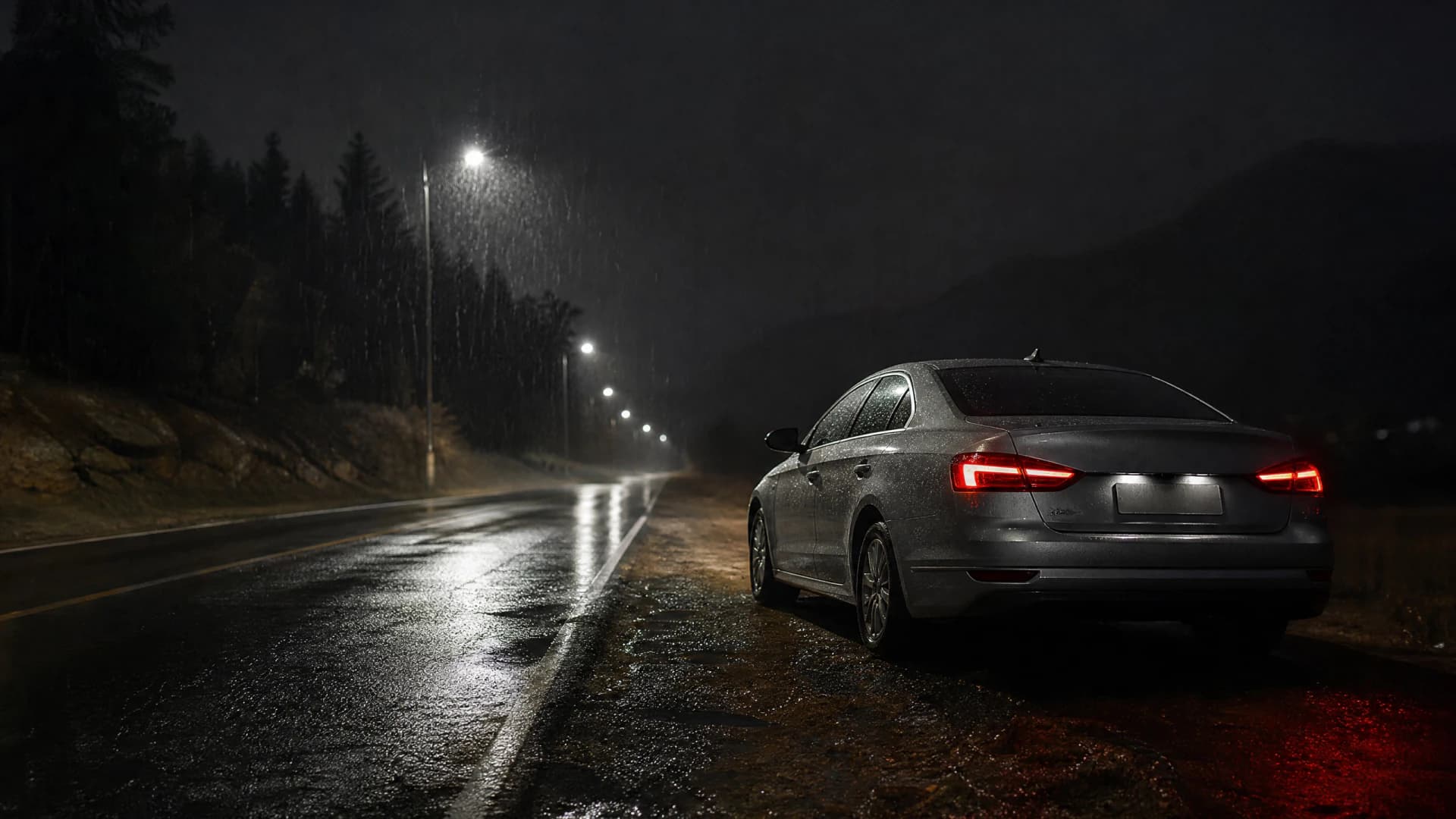
Non-owner SR-22 solves the filing requirement without requiring vehicle ownership, but carriers still underwrite your payment history risk and price it into the premium tier.



Addressing the Coverage Gap Narrative in Your Application
When applying for SR-22 coverage with no prior insurance history, carriers ask why you never carried coverage before. The underwriting question isn't punitive — it's procedural. Underwriters distinguish between applicants who lapsed existing coverage knowingly and applicants who never entered the insurance system at all. Both are elevated risk, but the risk profile differs.
Three narratives carriers accept without additional scrutiny: you relied exclusively on family member vehicles and were listed on their policy as an occasional driver until the DUI incident made you ineligible for their household policy; you lived in an urban area with robust public transit and did not own or regularly operate a vehicle until circumstances changed after conviction; you were insured under a parent or spouse policy and aged out or separated, and the DUI conviction occurred during the transition window before establishing independent coverage. These narratives demonstrate prior financial responsibility within someone else's policy structure, which underwriters treat as partial coverage history even though you were never the named policyholder.
Two narratives that trigger additional underwriting or decline: you drove regularly without coverage because you couldn't afford it or didn't prioritize it; you moved from a state or country where insurance wasn't mandatory and didn't realize Wisconsin required it. These narratives signal procedural non-compliance rather than situational gap. If either applies to your actual history, work with a broker who specializes in high-risk SR-22 placement — non-standard carriers writing Wisconsin have internal underwriting overlays for these cases that direct-to-consumer online quote tools won't surface.
$60
Wisconsin License Reinstatement Fee
Wisconsin charges $60 base reinstatement fee after DUI-related revocation. If you have multiple concurrent suspensions or revocations, Wisconsin assesses a separate $60 fee for each underlying action — total reinstatement cost can exceed $60 when violations stack. The fee is separate from SR-22 filing cost and policy premium.
Wisconsin DOT reinstatement fee schedule
Occupational License Requires SR-22 Before Application
Wisconsin offers an occupational license during revocation allowing court-restricted driving for work, school, medical appointments, church, and alcohol/drug treatment programs. SR-22 filing is a universal requirement for obtaining an occupational license regardless of whether the underlying suspension was DUI, points, unpaid fines, or uninsured driving. You cannot apply for an occupational license until SR-22 is on file with Wisconsin DOT.
The two-step process: bind a liability policy with SR-22 attached from a carrier writing Wisconsin, wait 3-5 business days for the carrier's electronic SR-22 filing to register in Wisconsin DOT's system, then petition the circuit court in the county where your case was adjudicated for an occupational license order. The court sets the specific driving hours, purposes, and routes allowed — maximum 12 hours per day, 60 hours per week. After the court grants the order, take it to Wisconsin DMV to receive the physical occupational license document. If SR-22 lapses at any point while the occupational license is active, Wisconsin DMV revokes the occupational license immediately and you're back to full suspension.
Compare Wisconsin SR-22 Carriers Accepting First-Time Filers
Start with Dairyland, Bristol West, and The General — all three write Wisconsin non-owner SR-22 for DUI convictions and accept applicants with zero prior coverage history without automatic decline. Request quotes from all three because pricing varies significantly by county, age, and whether you have additional violations beyond the DUI. Progressive and GEICO write Wisconsin SR-22 but require established coverage history in most cases — worth attempting if you were previously listed on a family member's policy and can document that relationship.
Expect higher first-term premiums than you'd see quoted to someone with lapsed coverage. Carriers tier no-prior-coverage applicants into their highest-risk pricing bucket initially. After six months of continuous payment and zero lapses, most carriers allow you to request re-underwriting into a lower tier. Maintain payment discipline — Wisconsin's three-year SR-22 clock resets entirely on any lapse, and restarting coverage after a gap typically results in even higher premiums than your initial bind. Wisconsin SR-22 filing requirements and reinstatement procedures are strict; the administrative cost of a lapse far exceeds the premium cost of maintaining continuous coverage.
How Non-Owner SR-22 Filing Works in Wisconsin
Non-owner SR-22 is a liability-only policy covering you as a driver in any vehicle you operate with permission — borrowed cars, rental cars, employer vehicles during personal errands. It meets Wisconsin's $25,000/$50,000/$10,000 minimum liability requirement and attaches the SR-22 certificate Wisconsin DOT requires. The carrier files SR-22 electronically when the policy binds and maintains continuous electronic reporting to the state. If you later buy a vehicle, you'll need to convert to a standard owner policy with SR-22 attached — the non-owner policy does not cover vehicles you own or vehicles registered to your household.
Premiums for non-owner SR-22 in Wisconsin after DUI typically cost less than insuring an owned vehicle because collision and comprehensive coverage are excluded and underwriters price only your liability exposure in borrowed vehicles. Carriers writing non-owner SR-22 for Wisconsin DUI filers with zero prior coverage include Dairyland, Bristol West, The General, Progressive (with restrictions), and GEICO (with restrictions). Application requires your driver's license number, DUI conviction date, SR-22 filing requirement confirmation from Wisconsin DOT or the court, and payment method for the first-term premium.
Get Your Free Quote
Get My Wisconsin DUI Insurance QuoteFrequently Asked Questions
Can I get SR-22 insurance in Wisconsin if I've never had auto insurance before?
Yes. Carriers writing Wisconsin SR-22 for DUI convictions include Dairyland, Bristol West, The General, and National General, all of which accept applicants with zero prior coverage history. You'll be placed in a higher pricing tier initially because underwriters treat no coverage history as elevated administrative risk, but approval is not automatic decline.
Do I need to own a car to get SR-22 filing in Wisconsin?
No. Non-owner SR-22 provides the liability coverage and state filing Wisconsin requires without insuring a specific vehicle. It covers you as a driver in borrowed or rental vehicles and satisfies Wisconsin DOT's SR-22 requirement for occupational license eligibility and eventual reinstatement.
How long does Wisconsin require SR-22 filing after a DUI?
Three years from the conviction date. If your SR-22 coverage lapses at any point during the three-year window — even for a single day — the clock resets entirely and you must maintain SR-22 filing for a new three-year period starting from the date you reinstate coverage.
What happens if I let SR-22 coverage lapse in Wisconsin?
Wisconsin DOT suspends your driving privilege immediately when your carrier notifies the state of cancellation or lapse. If you have an active occupational license, Wisconsin DMV revokes it the same day. You must obtain new SR-22 coverage, wait for the carrier to file electronically with the state, pay a new reinstatement fee, and restart the full three-year SR-22 filing requirement.
Can I get an occupational license in Wisconsin without SR-22 on file?
No. SR-22 proof of financial responsibility is a universal requirement for obtaining an occupational license in Wisconsin regardless of suspension type. You must bind liability coverage with SR-22 attached and wait for the carrier's electronic filing to register in Wisconsin DOT's system before petitioning the court for an occupational license order.
Why do carriers charge higher premiums when I have no prior insurance history?
Zero prior coverage history signals elevated procedural risk to underwriters. Carriers price the likelihood you'll maintain continuous premium payments and coverage discipline for Wisconsin's required three-year SR-22 period when you have no track record of doing so before. After six months of consistent payments, most carriers allow re-underwriting into a lower tier.