
SR-22 Insurance After OWI — Wisconsin
Free to compare
The SR-22 Timeline After Your OWI Conviction
Your Wisconsin OWI conviction triggered two separate clocks: a 6-9 month license revocation and a mandatory 30-day hard suspension before you're eligible for an occupational license. You cannot drive at all during those first 30 days. After 30 days, you can petition the court for restricted driving privileges — but only if you've already secured SR-22 insurance and paid your fees.
Most Wisconsin drivers don't realize the SR-22 filing must be in place before the occupational license hearing. The court will not grant your petition without proof of SR-22 on file with WisDOT. That means you need to secure coverage, have your carrier electronically file the SR-22 certificate with the state, and wait for WisDOT to confirm receipt — all within that 30-day window if you want to drive on day 31.
“The SR-22 filing must be in place before the occupational license hearing — the court will not grant your petition without proof on file with WisDOT.”
Get Back to a Fair Rate in Wisconsin After a DUI
Get My Wisconsin DUI Insurance Quote$200
Wisconsin OWI Reinstatement Fee
This fee applies to your first OWI offense and is separate from the SR-22 filing cost. You pay it to WisDOT when your full revocation period ends and you're ready to reinstate your unrestricted license.
Wisconsin Department of Transportation
What SR-22 Filing Actually Is
SR-22 is not a type of insurance. It's a certificate your auto insurance carrier files electronically with WisDOT proving you carry at least Wisconsin's minimum liability coverage: $25,000 bodily injury per person, $50,000 per accident, and $10,000 property damage. The carrier charges a one-time filing fee (typically $15-$50) to submit the certificate, and they notify the state immediately if your policy lapses or cancels.
Wisconsin requires SR-22 filing for three years following OWI reinstatement. The three-year clock starts on your reinstatement date, not your conviction date. If your policy lapses at any point during those three years, WisDOT receives automatic notice within 24 hours and your license is re-suspended until you file a new SR-22 and pay another reinstatement fee.
You need SR-22 filing during your occupational license period and after full reinstatement. The requirement does not end when your revocation period ends — it continues for three years total from the date you reinstate your unrestricted license.
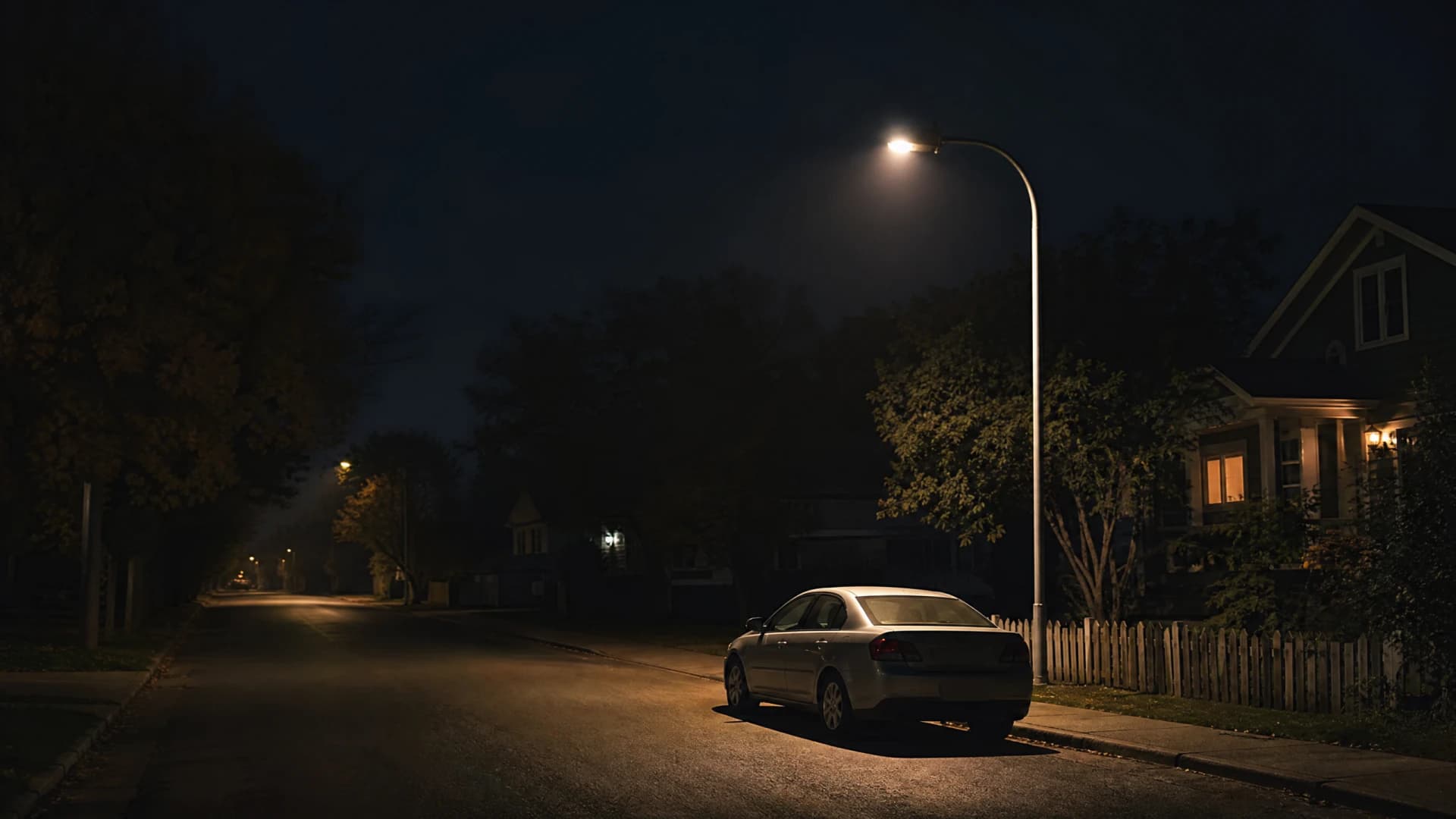
The 30-day hard suspension period blocks occupational license eligibility. You cannot petition the court until day 31, and you must have SR-22 already filed before your hearing.
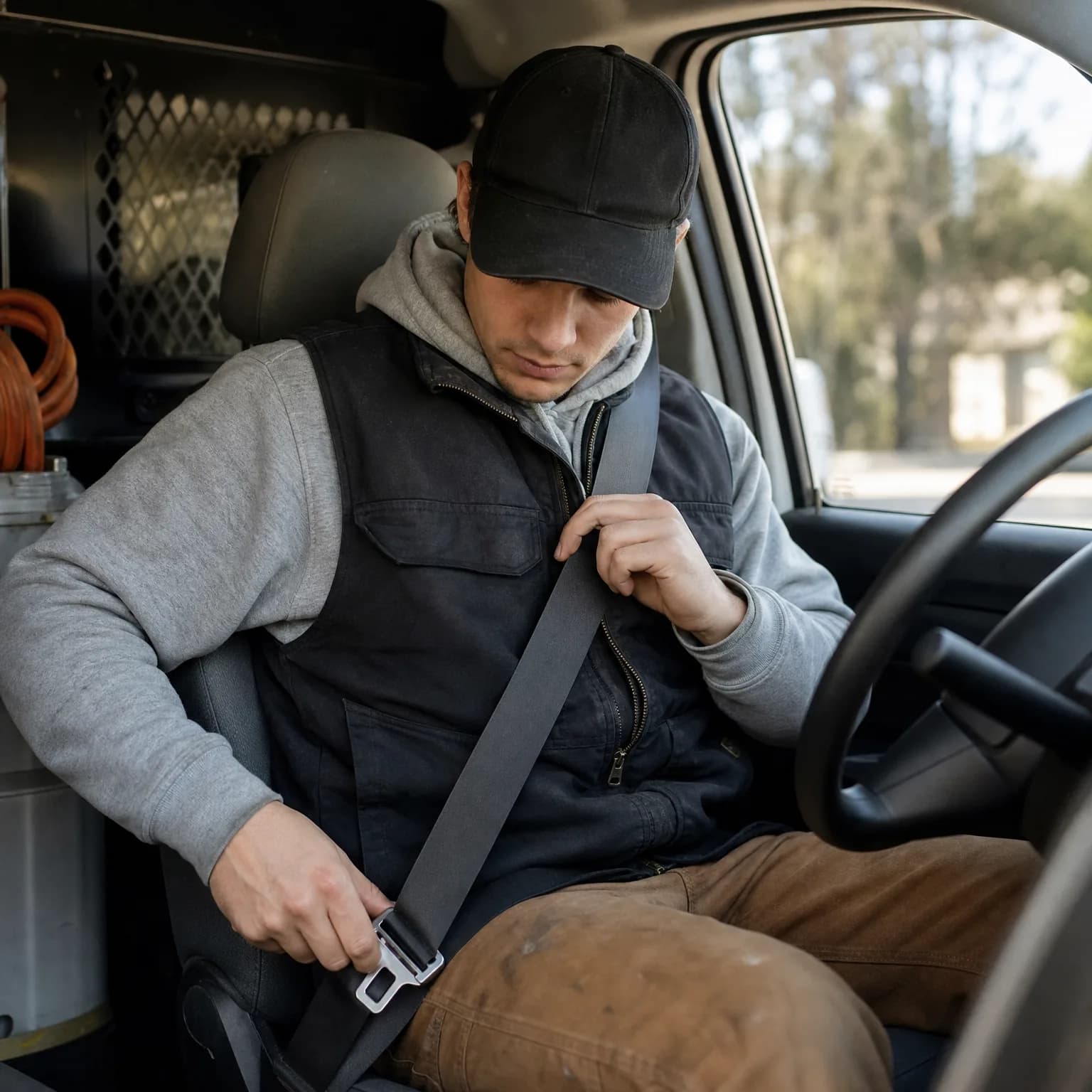






Getting Your Occupational License After the Hard Suspension
On day 31 after your OWI revocation begins, you're eligible to petition the circuit court in the county where you were convicted for an occupational license. Wisconsin Statute § 343.10 governs this process. You file a petition with the court, pay the court filing fee (varies by county, typically $150-$200), and submit proof of SR-22 insurance, proof of employment or essential need (work schedule letter, school enrollment, medical appointment documentation), and completion of an AODA assessment if required by your conviction terms.
The court sets your driving restrictions: specific hours (maximum 12 hours per day, 60 hours per week), specific routes, and specific purposes (work, school, medical appointments, court-ordered treatment, church). You cannot use an occupational license for errands, social driving, or transporting other adults unless the court explicitly authorizes it. Violating your occupational license terms results in immediate revocation and criminal charges under Wisconsin law.
If your OWI is your first offense, you'll likely be required to install an ignition interlock device (IID) on any vehicle you operate during the occupational license period. Wisconsin Statute § 343.301 mandates IID for most first-offense OWI cases. IID installation costs $70-$150, and monthly monitoring fees run $60-$90. The IID requirement continues through your occupational license period and often extends into the first 12 months after full reinstatement.
After the court grants your occupational license, you take the signed court order to a Wisconsin DMV service center to receive the physical occupational license document. This is a two-step process: court approval first, then DMV issuance. Your SR-22 must remain active throughout this period. If your insurance lapses, WisDOT notifies the court and your occupational license is revoked automatically.
6-9 months
First-Offense OWI Revocation Period
Wisconsin imposes a 6-month minimum revocation for first OWI offenses, extending to 9 months in cases involving high BAC or refusal to submit to testing. The 30-day hard suspension sits inside this period, not on top of it.
Wisconsin Statute § 343.10

Full License Reinstatement After Your Revocation Ends
When your 6-9 month revocation period ends, you're eligible to apply for full license reinstatement. You must pay the $200 reinstatement fee to WisDOT, provide proof that your SR-22 filing is still active, complete any court-ordered AODA treatment or education programs, and satisfy IID requirements if applicable. Some drivers also face a retest requirement depending on how long the revocation lasted and whether prior suspensions exist on their record.
Your SR-22 filing requirement continues for three years from your reinstatement date. If your coverage lapses at any point during those three years, WisDOT re-suspends your license and you pay another $200 reinstatement fee to restore it. Carriers are required to notify WisDOT electronically within one business day of any cancellation or non-renewal, so lapses trigger suspension almost immediately.
Compare Wisconsin SR-22 Carriers Now
Premiums for SR-22 insurance after an OWI vary significantly by carrier, and not all carriers writing in Wisconsin accept high-risk drivers. Dairyland, Progressive, Bristol West, The General, and GAINSCO consistently write SR-22 policies for OWI offenders. State Farm writes SR-22 but typically declines first-time OWI applicants. USAA writes SR-22 for eligible members but restricts OWI cases to members with long policy tenure. Start by requesting quotes from the non-standard carriers above — they price OWI risk more competitively than preferred-tier carriers and can file your SR-22 within 24-48 hours of policy binding. Use the comparison tool to submit your Wisconsin ZIP code, OWI conviction date, and current license status to see which carriers will quote your case and what your monthly premium range looks like before the occupational license hearing.
Monthly Premium Ranges in Wisconsin
Drivers with a single OWI and no other violations typically pay $110-$190 per month for minimum liability coverage with SR-22 filing in Wisconsin. Milwaukee County, Dane County, and Brown County premiums run higher due to population density and claim frequency. Rural counties (Polk, Burnett, Washburn) typically see the lower end of that range. If you're under 25 or have a second OWI within ten years, expect $210-$320 per month. Carriers writing SR-22 in Wisconsin include Dairyland, Progressive, Geico, Bristol West, The General, and GAINSCO.
If you don't currently own a vehicle, non-owner SR-22 policies cost $40-$85 per month in Wisconsin. Non-owner coverage satisfies WisDOT's SR-22 requirement without insuring a specific car. This is common for drivers using an occupational license who rely on borrowed vehicles, public transit, or rideshare but need proof of coverage to keep their restricted license active. The same carriers above offer non-owner SR-22 policies.
Get Your Free Quote
Get My Wisconsin DUI Insurance QuoteFrequently Asked Questions
Do I need SR-22 insurance if I don't own a car after my Wisconsin OWI?
Yes. Wisconsin requires SR-22 filing to reinstate your license after an OWI, even if you don't own a vehicle. You need a non-owner SR-22 policy, which costs $40-$85 per month and satisfies WisDOT's proof-of-insurance requirement without insuring a specific car.
How long does SR-22 filing last in Wisconsin after an OWI?
Wisconsin requires SR-22 filing for three years following your license reinstatement, not from your conviction date. If your policy lapses during those three years, WisDOT re-suspends your license and you pay another reinstatement fee.
Can I get an occupational license immediately after my Wisconsin OWI conviction?
No. Wisconsin imposes a mandatory 30-day hard suspension before you're eligible to petition the court for an occupational license. You cannot drive at all during those 30 days, and you must have SR-22 insurance already filed before your hearing on day 31.
What happens if my SR-22 insurance lapses during my occupational license period in Wisconsin?
Your carrier notifies WisDOT within 24 hours of cancellation or lapse. The state immediately revokes your occupational license and suspends your driving privileges. You must file a new SR-22, pay a reinstatement fee, and petition the court again to restore your occupational license.
How much does SR-22 insurance cost in Wisconsin after a first OWI?
Drivers with a single OWI and no other violations typically pay $110-$190 per month for minimum liability coverage with SR-22 filing. Premiums vary by county, age, and vehicle. Non-owner SR-22 policies cost $40-$85 per month.