
Same-Day SR-22 Filing After OWI — Wisconsin
Free to compare
The Court Approved Your Occupational License — Now What
You left court with an approved occupational license order in hand. The judge signed off on your work hours and approved routes. You drove straight to the Wisconsin DMV office expecting to walk out with your restricted license, and the clerk told you they can't issue anything until the SR-22 filing shows up in the state system. No timeline. No explanation. Just wait.
This is where the Wisconsin occupational license process stalls for most OWI drivers. The court order is only the first step. Wisconsin Statute § 343.10 requires proof of financial responsibility — an SR-22 certificate filed electronically by an insurance carrier — before DMV will issue the physical occupational license document. The court doesn't file it. You don't file it. The carrier files it. And the electronic transmission delay between carrier submission and DMV system visibility is the hidden blocker most drivers don't see coming.
“The court order authorizes DMV to issue the license — it does not replace the license.”

Get Back to a Fair Rate in Wisconsin After a DUI
Get My Wisconsin DUI Insurance Quote1-3 business days
Carrier SR-22 Electronic Filing Window
Most carriers writing Wisconsin SR-22 policies transmit filings electronically to Wisconsin DMV within 1-3 business days of policy purchase. Same-day electronic transmission exists but is carrier-specific and not universally available across all underwriters.
Wisconsin DMV electronic insurance verification system
Why Wisconsin Splits Court Approval and DMV Issuance
Wisconsin uses a two-tier suspension system: the court imposes the judicial suspension upon OWI conviction under Wis. Stat. § 346.65, and DMV administers the occupational license under Wis. Stat. § 343.10. The court has authority to grant the occupational license petition, but DMV holds the authority to issue the physical license document — and they won't release it until the SR-22 certificate appears in the state's electronic verification system.
This creates a procedural gap. The court order authorizes restricted driving. The SR-22 filing proves you carry continuous liability coverage. DMV requires both before issuing the occupational license. Most drivers assume the court order is enough and show up at DMV unprepared. The clerk sends them home to get insurance first.
The misconception is understandable. In many states, the hardship license and the insurance requirement happen simultaneously at DMV. Wisconsin splits the process: court petition first, SR-22 filing second, DMV issuance third. If you skip step two, step three can't happen.
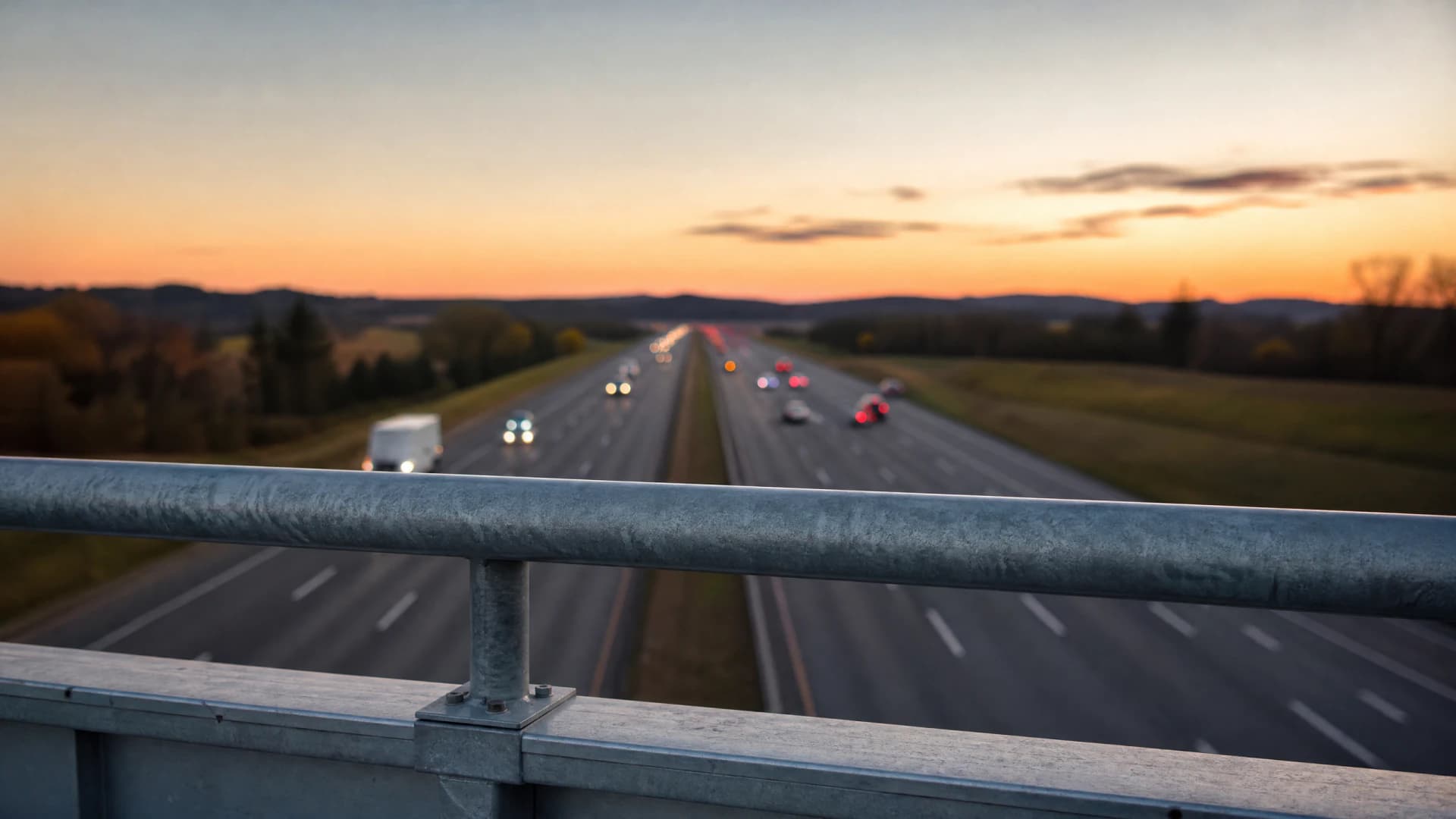
DMV cannot issue your occupational license until the SR-22 electronic filing appears in Wisconsin's insurance verification system — even if you bring a printed SR-22 certificate to the counter.
Related Articles






The Sequence That Actually Works
Step one: attend your occupational license hearing with documentation proving employment, school enrollment, medical appointment schedules, or other essential-need justification per Wis. Stat. § 343.10(5)(a). The court reviews your petition and issues an order defining your approved driving hours, routes, and purposes. This order does not authorize you to drive yet — it authorizes DMV to issue the license once insurance is verified.
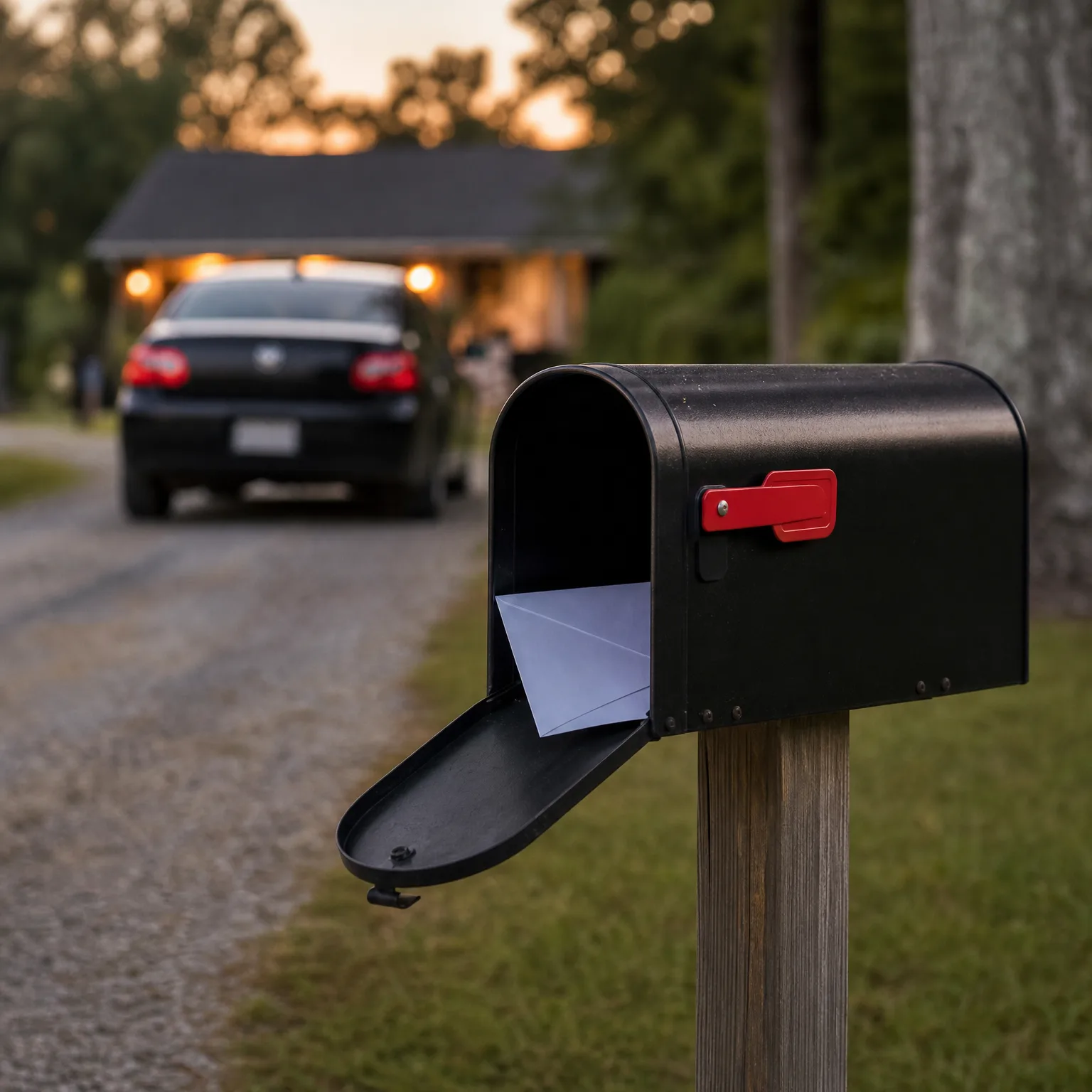
Step two: purchase SR-22 insurance immediately after the court hearing. Bring the court order to the carrier or agent. Wisconsin requires continuous liability coverage at $25,000 bodily injury per person, $50,000 per accident, and $10,000 property damage — the state minimum. The carrier binds the policy, issues the SR-22 certificate, and transmits the filing electronically to Wisconsin DMV. You receive a printed SR-22 certificate for your records, but this paper certificate is not what DMV checks. They verify the electronic filing in the state system.
Step three: wait for the electronic transmission to clear. Call Wisconsin DMV at 608-266-2353 or check online at wisconsindmv.gov to confirm the SR-22 filing appears in your driving record. Once visible, visit a DMV service center with the court order, proof of identity, and the $60 occupational license issuance fee. DMV prints the physical occupational license on the spot. You are now legally authorized to drive within the restrictions the court defined.
$60
Wisconsin Occupational License Issuance Fee
Wisconsin charges a flat $60 fee when DMV issues the physical occupational license document. This fee is separate from court filing fees, SR-22 policy premiums, and any reinstatement fees due after the suspension period ends.
Wisconsin DOT fee schedule

What Happens If You Drive Before DMV Issues the License
Driving on the court order alone — before DMV issues the physical occupational license — is operating while suspended under Wis. Stat. § 343.44(1)(a). The court order authorizes DMV to issue the license; it does not replace the license. Officers who stop you will verify your license status electronically. If DMV's system shows suspended status with no valid occupational license on file, you are cited for OWS. The citation carries a $150–$600 fine and potential additional suspension time.
This distinction catches drivers who assume the court order is a provisional license. It is not. The court order is authorization paperwork. The occupational license itself is the DMV-issued credential that appears in the state's electronic verification system. Wait for the physical license before driving.
Get the SR-22 Filed and Move Forward
Wisconsin's occupational license process stalls at DMV because drivers show up before the SR-22 filing clears. The court approved your petition. Now you need a carrier that transmits electronically to Wisconsin DMV within 1-3 business days — or same-day if you purchase early enough in the week. Compare Wisconsin SR-22 carriers writing post-OWI policies, confirm their electronic filing timeline before purchasing, and get the process moving. The faster the carrier files, the faster DMV issues your occupational license and you return to legal driving status within the restrictions the court set.
How Fast Can You Actually Get SR-22 Filed
Standard carriers like State Farm, Allstate, and Progressive typically transmit SR-22 filings within 1-3 business days of policy binding. Some issue the filing same-day if you purchase before noon Central Time and the underwriter processes applications in real-time. Non-standard carriers like Dairyland, The General, Bristol West, and GAINSCO — which specialize in high-risk drivers — usually transmit within 24 hours because their systems are built for expedited OWI and post-suspension filings. Same-day transmission exists but is not guaranteed. Call the carrier before purchasing to confirm their current electronic filing timeline for Wisconsin.
Once the carrier transmits the SR-22 electronically, Wisconsin DMV's insurance verification system updates within hours. The practical bottleneck is the carrier's internal processing queue, not state system lag. If you purchase SR-22 coverage on Friday afternoon, the filing may not transmit until Monday morning. If you purchase Tuesday morning from a carrier with same-day transmission, DMV's system may reflect the filing by Tuesday afternoon. The filing window is carrier-dependent, not state-dependent.
Get Your Free Quote
Get My Wisconsin DUI Insurance QuoteFrequently Asked Questions
Can I get same-day SR-22 filing in Wisconsin after an OWI?
Some carriers transmit SR-22 filings electronically to Wisconsin DMV same-day if you purchase the policy before noon Central Time, but this is carrier-specific and not guaranteed. Most carriers file within 1-3 business days. Call the carrier before purchasing to confirm their current transmission timeline.
How long after SR-22 filing does Wisconsin DMV show it in the system?
Wisconsin DMV's electronic insurance verification system typically updates within hours of carrier transmission. The delay is the carrier's internal processing queue, not the state system. Once the carrier transmits, DMV visibility is usually same-day or next business day.
Do I need SR-22 insurance before or after my occupational license court hearing in Wisconsin?
You purchase SR-22 insurance after the court approves your occupational license petition. The court order authorizes DMV to issue the license, but DMV will not issue it until the SR-22 electronic filing appears in Wisconsin's system. Court first, SR-22 second, DMV issuance third.
Can I drive in Wisconsin with just the court-approved occupational license order?
No. Driving on the court order alone before DMV issues the physical occupational license is operating while suspended under Wis. Stat. § 343.44(1)(a). The court order is authorization paperwork, not a provisional license. Wait for DMV to issue the occupational license after the SR-22 filing clears.
What is the fastest way to get an occupational license after OWI in Wisconsin?
Attend your court hearing with all required documentation, purchase SR-22 insurance immediately after court approval from a carrier with same-day electronic filing, verify the SR-22 appears in DMV's system, then visit DMV with the court order and $60 fee. The entire process can complete in 1-3 business days if the carrier transmits same-day.
How much does SR-22 insurance cost after OWI in Wisconsin?
Wisconsin SR-22 policies for post-OWI drivers typically range from $140 to $280 per month depending on age, county, and carrier. Non-standard carriers writing high-risk policies often quote lower than standard carriers for OWI drivers. Rates vary significantly by driving history and vehicle.