
Cheapest OWI Insurance With Nothing Down — Wisconsin
Free to compare
Zero-Down SR-22 After Wisconsin OWI
You lost your license after OWI, the court ordered SR-22 filing, and you need coverage to qualify for an Occupational License—but you don't have $300-$500 for a down payment. Every carrier website shows monthly rates, but when you try to enroll, they demand 20-30% upfront before they'll file the SR-22 certificate Wisconsin DOT requires. You're stuck: no payment means no filing, no filing means no Occupational License, no Occupational License means no legal driving to work.
Wisconsin allows zero-down SR-22 policies, but the payment structure works differently than standard auto insurance. Carriers that waive deposits shift the upfront cost into your monthly premium as a finance charge. You'll pay 15-25% more over 12 months compared to putting money down today. That trade-off is worth it when you need immediate filing to meet a court deadline or Occupational License application window—but it's a choice you should make with full cost visibility, not discover three months in when your total paid exceeds what a deposit plan would have cost.
“Zero-down SR-22 policies cost 15-25% more annually than deposit plans—you're financing the upfront fee into monthly installments with interest built in.”

Get Back to a Fair Rate in Wisconsin After a DUI
Get My Wisconsin DUI Insurance Quote$95–$165/mo
Wisconsin OWI SR-22 Zero-Down Premium
Zero-down monthly premiums for Wisconsin OWI drivers run $95-$165 depending on county, age, and prior coverage lapses. Standard down-payment plans start $75-$130/mo for identical coverage. The $20-$35 monthly difference is the financed deposit spread across 12 installments.
Wisconsin carrier rate filings, non-standard tier, January 2025
What Zero-Down Actually Means in Wisconsin
Zero-down does not mean free enrollment. It means the carrier files your SR-22 certificate with Wisconsin DOT immediately without collecting a deposit, then finances that upfront cost into your monthly premium. You're borrowing the deposit from the carrier and repaying it in installments with interest built into the monthly rate.
Wisconsin requires SR-22 filing for three years after OWI conviction. If you enroll in a zero-down plan, you'll pay the higher monthly rate for the full policy term unless you refinance or pay down the financed balance mid-term. Most carriers lock the monthly rate for 12 months; after that, you can request recalculation if you've made consistent payments and your risk profile has improved.
The immediate benefit: your SR-22 gets filed within 24-48 hours of enrollment, you meet Wisconsin DOT's proof-of-insurance requirement, and you can apply for an Occupational License without waiting to save deposit money. The long-term cost: you'll pay $240-$420 more over 12 months than a driver who put $200-$300 down at enrollment.
Not every Wisconsin carrier offers true zero-down enrollment. Progressive, Geico, Dairyland, Bristol West, The General, GAINSCO, and National General all write SR-22 policies in Wisconsin, but only Dairyland, Bristol West, The General, and GAINSCO consistently waive deposits for OWI drivers. Progressive and Geico require 20-25% down in most Wisconsin counties for non-standard SR-22 filings. State Farm writes SR-22 but rarely accepts OWI cases without prior coverage history.

Zero-down SR-22 policies cost 15-25% more annually than deposit plans—you're financing the upfront fee into monthly installments with interest built in.
Related Articles

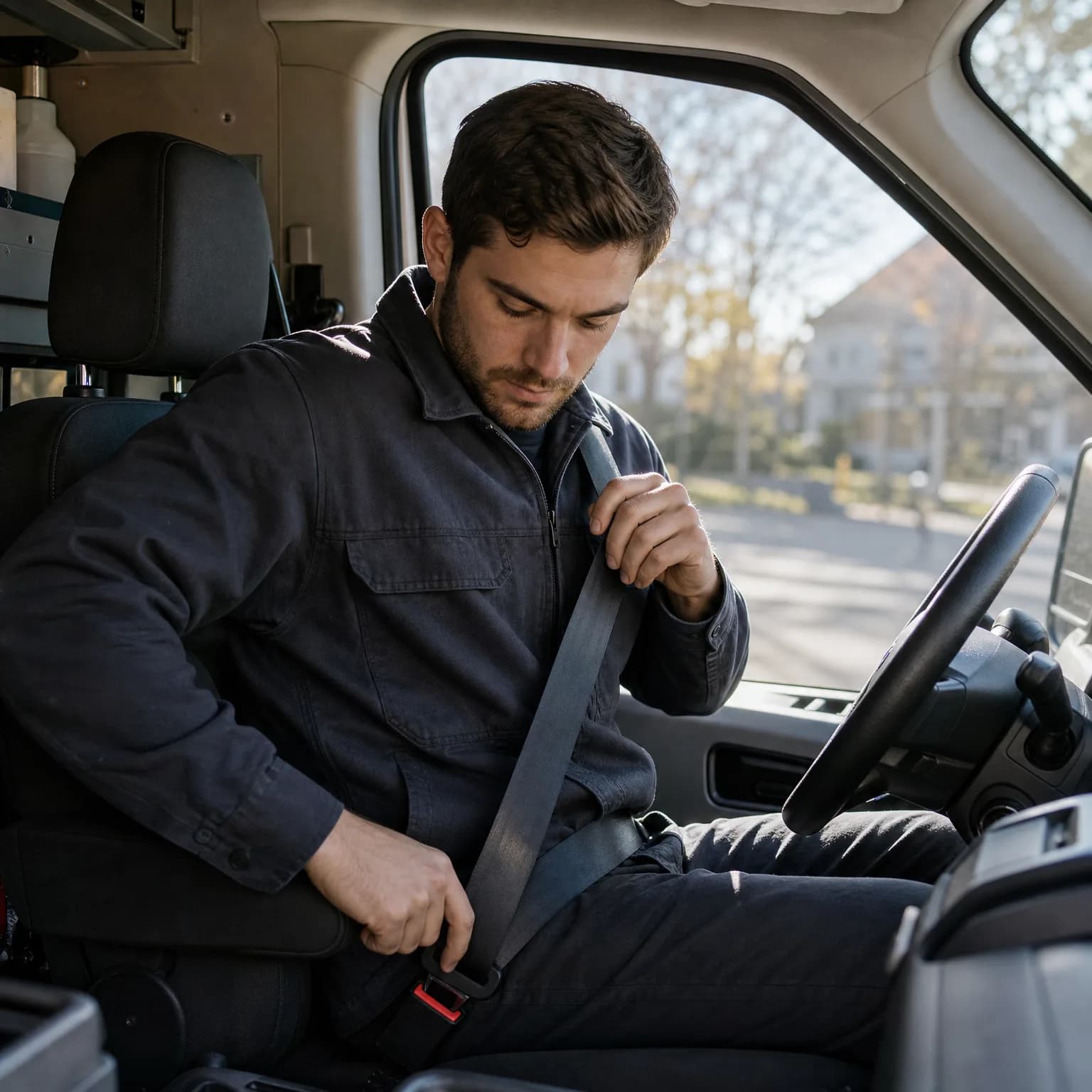

Non-Owner SR-22 Costs Less When You Don't Own a Vehicle
If you don't currently own a vehicle, don't pay for standard auto liability coverage. Wisconsin allows non-owner SR-22 policies that satisfy the state's proof-of-insurance requirement without insuring a specific car. Non-owner SR-22 premiums run $45-$85/mo for OWI drivers—roughly half the cost of standard liability SR-22.
Non-owner SR-22 covers you when driving borrowed or rented vehicles. It does not cover a vehicle you own, lease, or regularly use. If you live with family and occasionally drive their car, non-owner SR-22 works. If you're buying a car next month, enroll in standard SR-22 now to avoid the hassle of switching mid-term—Wisconsin DOT requires continuous SR-22 filing for three years, and switching policy types can create coverage gaps that restart your filing clock.
Dairyland, Bristol West, The General, and USAA all write non-owner SR-22 in Wisconsin with zero-down options. USAA restricts eligibility to military members and their families but offers the lowest non-owner SR-22 rates in Wisconsin—$40-$70/mo with zero down for OWI cases. The other three carriers accept all Wisconsin OWI drivers regardless of military status.
3 years
Wisconsin SR-22 Filing Period After OWI
Wisconsin requires continuous SR-22 filing for three years after OWI conviction. The clock starts from your conviction date, not your enrollment date. If your SR-22 lapses for any reason—missed payment, policy cancellation, switching carriers without overlap—Wisconsin DOT suspends your license and restarts the three-year clock from the date you refile.
Wis. Stat. § 343.10; Wisconsin DOT SR-22 filing requirements

Monthly Payment Timing and SR-22 Lapse Risk
Zero-down policies create higher lapse risk because you're paying monthly without a deposit cushion. If a payment fails—insufficient funds, expired debit card, closed bank account—the carrier cancels your policy and notifies Wisconsin DOT electronically. DOT suspends your Occupational License within 5-10 business days of receiving the cancellation notice. No grace period, no warning letter.
Set up autopay from a checking account, not a debit card. Debit cards expire every 3-4 years; if your card expires mid-term and you forget to update payment information, your policy lapses. Checking account drafts don't expire. If you must use a debit card, set a calendar reminder 30 days before the expiration date printed on the card to update your payment method with the carrier before the next draft attempt.
Wisconsin law requires carriers to notify DOT within 10 days of policy cancellation. Most carriers file electronically within 24-48 hours. DOT processes the cancellation notice and suspends your license without mailing you first—your Occupational License becomes invalid the moment DOT's system records the lapse. If you're pulled over during that window, you're driving on a suspended license even if you didn't know the policy lapsed. That's a separate criminal charge in Wisconsin.
Compare Zero-Down Carriers Before You Enroll
Get quotes from at least three of the four carriers listed above before enrolling. Monthly premiums vary by $30-$50 between carriers for identical coverage and SR-22 filing. Dairyland, Bristol West, The General, and GAINSCO all file electronically with Wisconsin DOT and all meet the state's SR-22 requirements—there's no quality difference in the filing itself, only in monthly cost and payment flexibility.
When comparing quotes, confirm the carrier is quoting zero-down enrollment. Some carriers show a low monthly rate online but add deposit requirements during the enrollment call. Ask explicitly: 'Does this quote require any money down today, or is the first payment the only upfront cost?' If the answer includes processing fees, policy fees, or partial-month charges, those are upfront costs—true zero-down means one monthly payment at enrollment, nothing else.
Use Wisconsin DUI Insurance's carrier comparison tool to request quotes from multiple zero-down SR-22 carriers at once. You'll enter your Wisconsin county, OWI conviction date, and current license status once, then receive rate quotes from all available carriers within 24 hours. No deposit required to request quotes, and requesting quotes does not trigger SR-22 filing—you control when coverage starts.
Four Carriers That Write Zero-Down OWI SR-22 in Wisconsin
Dairyland specializes in non-standard SR-22 and writes zero-down policies for Wisconsin OWI drivers in all counties. Monthly premiums run $110-$155 depending on age and prior lapses. Dairyland allows monthly bank draft or debit card payment; they don't require credit cards. Electronic SR-22 filing with Wisconsin DOT happens within 24 hours of first payment processing. Dairyland's zero-down structure spreads deposit across 12 months; after 12 consecutive payments you can request rate recalculation.
Bristol West writes zero-down SR-22 in Wisconsin and accepts OWI cases with no prior insurance history. Monthly premiums start $95-$140. Bristol West requires autopay enrollment via bank account or debit card to qualify for zero-down; manual monthly payments trigger a $25-$50 deposit requirement. SR-22 files electronically with Wisconsin DOT within 48 hours. The General offers zero-down SR-22 for Wisconsin OWI drivers and includes non-owner policies for drivers without a vehicle. Monthly rates run $100-$150. The General allows phone payment, online payment, or autopay; no credit card required. GAINSCO writes zero-down SR-22 statewide and files same-day in most Wisconsin counties. Monthly premiums range $105-$160. GAINSCO requires autopay for zero-down enrollment but accepts checking account drafts.
Get Your Free Quote
Get My Wisconsin DUI Insurance QuoteFrequently Asked Questions
Can I get SR-22 insurance in Wisconsin with no money down?
Yes. Dairyland, Bristol West, The General, and GAINSCO all write zero-down SR-22 policies for Wisconsin OWI drivers. You'll pay your first monthly premium at enrollment ($95-$165 depending on carrier and county), and the SR-22 certificate files electronically with Wisconsin DOT within 24-48 hours. Zero-down policies cost 15-25% more annually than plans requiring a deposit because the upfront cost is financed into your monthly rate.
How much does zero-down SR-22 insurance cost per month in Wisconsin?
Zero-down SR-22 premiums for Wisconsin OWI drivers run $95-$165/mo depending on county, age, and prior coverage history. Non-owner SR-22 (if you don't own a vehicle) costs $45-$85/mo. Standard SR-22 plans requiring a deposit start $75-$130/mo for identical coverage—the $20-$35 monthly difference is the financed deposit spread across 12 installments.
What happens if I miss a monthly SR-22 payment in Wisconsin?
Your policy cancels and the carrier notifies Wisconsin DOT electronically within 24-48 hours. DOT suspends your license within 5-10 business days of receiving the cancellation notice. If you hold an Occupational License, it becomes invalid immediately upon suspension. Driving during that window is driving on a suspended license, a separate criminal charge in Wisconsin. You must refile SR-22 and pay reinstatement fees to restore your license, and your three-year SR-22 clock restarts from the date you refile.
Do I need SR-22 insurance to get a Wisconsin Occupational License after OWI?
Yes. Wisconsin courts require proof of SR-22 filing before issuing an Occupational License after OWI conviction. You must enroll in SR-22 coverage, wait for the carrier to file the certificate electronically with Wisconsin DOT, then submit proof of filing with your Occupational License petition. The court will not consider your petition without current SR-22 on file with DOT. SR-22 filing must remain continuous for three years after conviction to keep your Occupational License valid.
Can I switch SR-22 carriers in Wisconsin without restarting my three-year filing period?
Yes, but only if there is zero gap between policies. Your new carrier must file SR-22 with Wisconsin DOT before your old policy cancels. If DOT receives a cancellation notice without an active replacement SR-22 on file, your license suspends and your three-year clock restarts. To switch carriers safely, enroll in the new policy with a start date one day before your old policy ends, confirm the new carrier has filed SR-22 electronically, then cancel the old policy.
Is non-owner SR-22 insurance cheaper than regular SR-22 in Wisconsin?
Yes. Non-owner SR-22 costs $45-$85/mo for Wisconsin OWI drivers, roughly half the cost of standard liability SR-22 ($95-$165/mo). Non-owner SR-22 satisfies Wisconsin's proof-of-insurance requirement without insuring a specific vehicle. It covers you when driving borrowed or rented cars but does not cover a vehicle you own, lease, or regularly use. If you don't currently own a vehicle, non-owner SR-22 is the correct coverage type and saves $50-$80/mo compared to standard SR-22.