
Insurance After OWI and Accident — Wisconsin
Free to compare
Why Standard Carriers Declined Your Quote
You submitted applications to three standard carriers this week. All three came back declined or quoted above $450/month. The OWI alone moved you into elevated-risk territory, but the at-fault accident on the same record triggered automatic underwriting rejection at most standard-tier carriers. Wisconsin treats multiple recent major violations as compounding risk—each violation individually might be insurable at standard rates, but stacked together they push you into non-standard market territory where only specialized carriers will write the policy.
This is not a permanent classification. Wisconsin requires SR-22 filing for 3 years following OWI conviction under Wis. Stat. § 343.10, and most carriers re-tier your profile once you pass 36 months of continuous SR-22 compliance with no new violations. The question right now is finding a carrier that writes stacked-violation profiles and understanding what documentation cuts your premium in the non-standard market.
“Accident fault date and OWI conviction date trigger different SR-22 windows—both count toward underwriting risk, but only conviction starts the filing clock.”

Get Back to a Fair Rate in Wisconsin After a DUI
Get My Wisconsin DUI Insurance Quote3 years
Wisconsin SR-22 Filing Period
Wisconsin requires continuous SR-22 filing for 3 years following OWI-related reinstatement. The clock resets if coverage lapses—even a single day of non-compliance restarts the full 36-month period from zero.
Wis. Stat. § 343.10
Which Carriers Write Stacked-Violation Profiles in Wisconsin
Only non-standard and select standard carriers write OWI-plus-accident profiles in Wisconsin. Bristol West, Dairyland, GAINSCO, The General, and Progressive's non-standard division actively write these policies. State Farm and Geico write OWI-only profiles but frequently decline when an at-fault accident appears within 36 months of the OWI conviction date. National General writes selectively—approval depends on accident severity and whether you completed OWI-related AODA treatment requirements before application.
Rates vary significantly by carrier even within the non-standard tier. Dairyland and Bristol West typically quote $180–$280/month for minimum liability plus SR-22 for drivers with OWI-plus-accident records who show 6+ months of clean payment history on a prior policy. GAINSCO and The General quote higher—$240–$350/month—but approve profiles other carriers decline, including cases with suspended license history or IID violation during the OWI suspension period. Progressive's non-standard tier falls in the middle at $200–$290/month and offers the strongest discount for bundling renters or completing defensive driving coursework post-conviction.
All five carriers require SR-22 filing at policy inception. The SR-22 certificate itself costs $25–$50 as a one-time filing fee, then the carrier maintains it electronically with WisDOT for the full 3-year period. If you switch carriers mid-filing-period, the new carrier files a new SR-22 and the old carrier cancels theirs—there is no gap as long as the new policy starts the same day the old one ends.
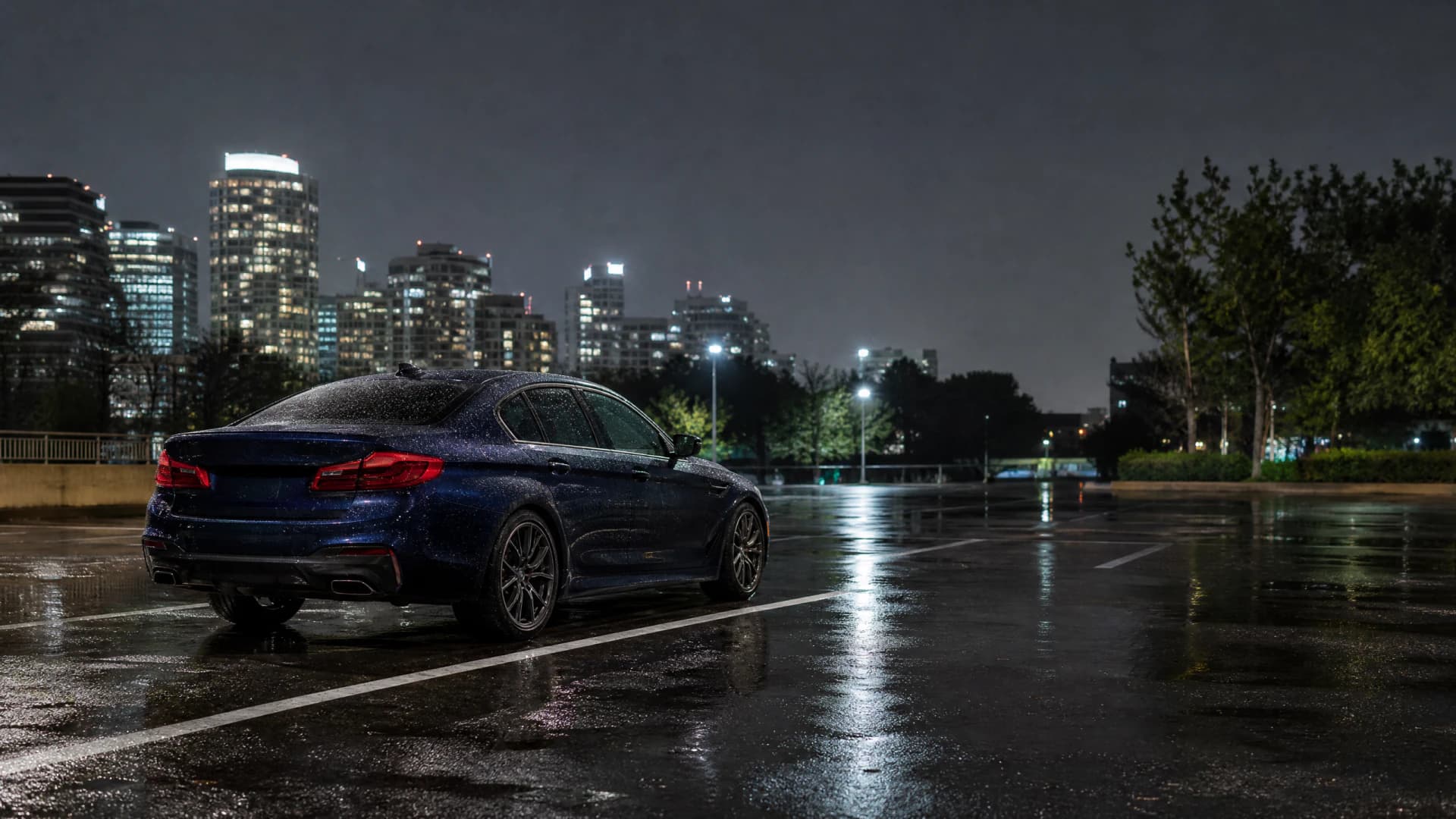
Accident fault date and OWI conviction date trigger different SR-22 windows. If the accident occurred before the OWI arrest but you were convicted after, both violations count toward underwriting risk but only the OWI conviction starts the SR-22 clock.
Related Articles



How Ignition Interlock Affects Your Rate
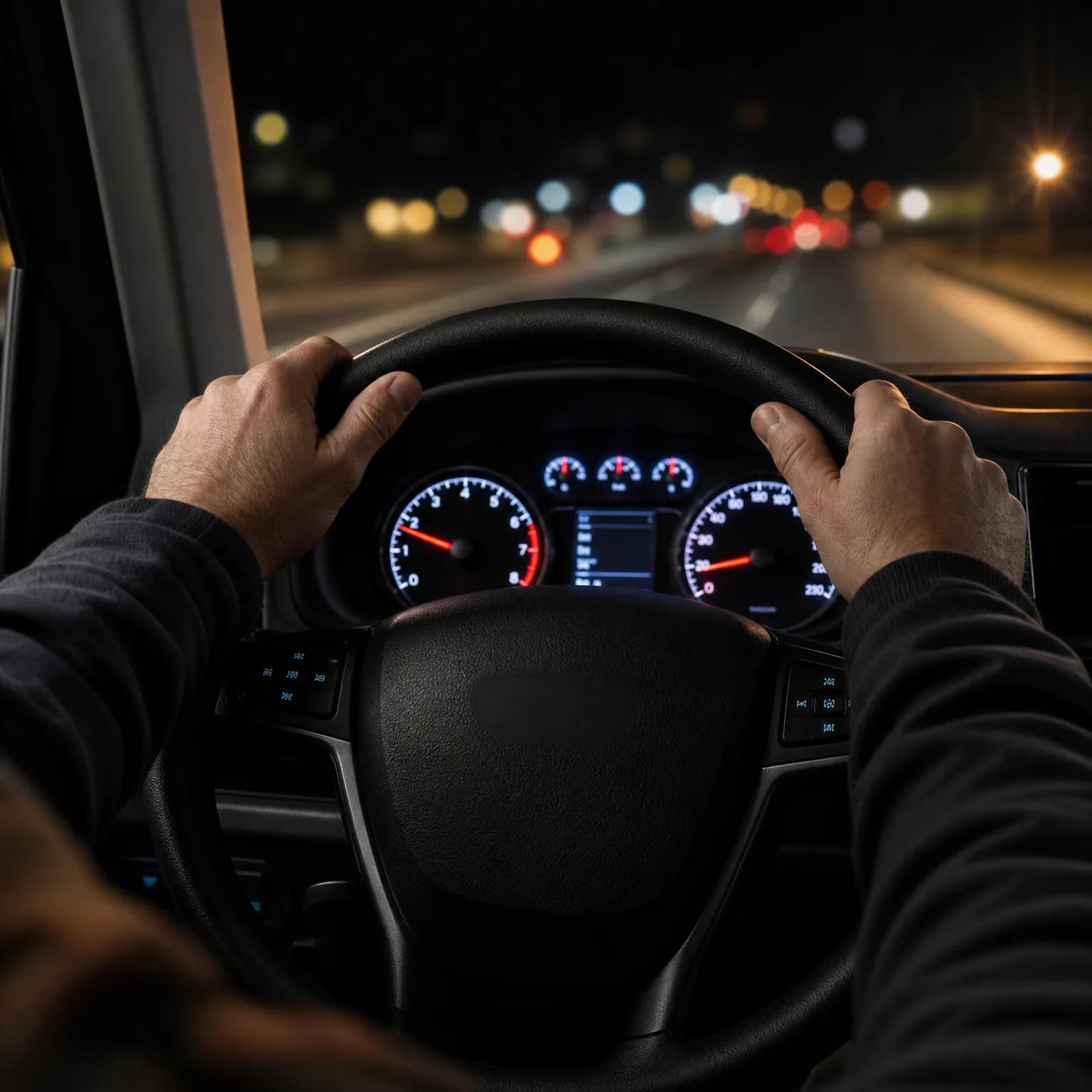
Wisconsin mandates Ignition Interlock Device installation for most OWI-related reinstatements under Wis. Stat. § 343.301, including first offenses in many circumstances. If your OWI conviction required IID installation, carriers treat active IID compliance as a premium reduction factor—you are demonstrably sober while driving. Bristol West, Dairyland, and The General discount 10–14% when you submit monthly IID compliance reports showing zero violations for the most recent 90-day period. The discount applies only while IID is active; it drops off once the court-ordered IID period ends.
IID violation history works the opposite direction. If your IID log shows failed start attempts, rolling retests over the limit, or tampering flags during your restricted driving period, carriers either decline the application or add 20–30% to the base premium. Progressive and National General decline outright when IID violation history appears; they will not write the policy until 12 months pass after the last violation date. Dairyland writes these cases but quotes them in the highest-risk tier with no discount eligibility for 24 months.
If you are currently driving under an Occupational License with IID required, bring your most recent 90-day IID compliance report to the quoting process. Carriers cannot access IID logs directly—you must provide them. A clean 90-day report is the single strongest underwriting signal you can submit when applying with a recent OWI on record.
$180–$280/mo
Non-Standard Premium Range Wisconsin
Drivers with OWI-plus-accident records who complete AODA treatment, submit 6+ months prior coverage proof, and show clean IID compliance reports typically receive quotes in this range for Wisconsin minimum liability plus SR-22 from Dairyland and Bristol West.
Carrier rate filings reviewed Feb 2025
When Rates Drop After Filing Period Ends
Your premium will not drop automatically when the 3-year SR-22 filing period ends. Carriers re-tier your profile at policy renewal following SR-22 release, but the OWI and accident remain on your motor vehicle record for longer—OWI convictions stay on your Wisconsin record for 10 years, and at-fault accidents stay for 5 years from the accident date. Most carriers weight violations on a sliding scale: highest impact in years 0–3, moderate impact in years 3–5, minimal impact after year 5.
Expect a 15–25% premium reduction at your first renewal after SR-22 filing ends if you maintained continuous coverage with no new violations during the 3-year period. A second reduction of 10–15% typically occurs at the 5-year mark from your accident date when the accident drops off carrier underwriting consideration entirely. The OWI conviction continues to affect your rate until year 10, but its weight decreases significantly after year 5—by year 7 most standard carriers will write your policy again at near-preferred rates if no other violations appeared in the interim.
Compare Carriers That Write Your Profile
Request quotes from at least three non-standard carriers before committing. Dairyland, Bristol West, and Progressive's non-standard division all write OWI-plus-accident profiles in Wisconsin, and rate spreads between them regularly exceed $60/month for identical coverage. GAINSCO and The General write higher-risk profiles other carriers decline, so include them if your first two quotes come back declined or above $300/month. Apply with documentation ready—AODA certificate, prior coverage declaration page, and 90-day IID compliance report if applicable—because every carrier requests these during underwriting and delays cost you days of uninsured exposure while your application sits incomplete.
What Documentation Cuts Your Premium
Completion of Wisconsin AODA assessment and any recommended treatment program cuts premiums 12–18% at Dairyland, Bristol West, and National General. Wisconsin requires AODA completion before reinstatement for OWI-related revocations, but carriers give you credit for completing it before applying—not just meeting the minimum state requirement. Submit the AODA certificate of completion with your application; it must show treatment completion date, not just enrollment. Progressive and GAINSCO do not discount for AODA completion but they do discount 8–12% for defensive driving course completion within 12 months of application date.
Proof of 6+ months continuous prior coverage with no lapses cuts premiums 10–15% across all five carriers. This is separate from SR-22 filing—it's evidence you maintained any auto insurance policy without a coverage gap in the 6 months before application, even if that policy was non-owner coverage while your license was suspended. If you did not own a vehicle during suspension, non-owner SR-22 coverage counts toward this continuity requirement. Carriers verify via prior-carrier declaration page or an insurance score pull that shows your coverage history; verbal claims do not work.
Get Your Free Quote
Get My Wisconsin DUI Insurance QuoteFrequently Asked Questions
Do I need SR-22 if my OWI happened before the accident?
Yes. Wisconsin requires SR-22 filing for 3 years following OWI conviction regardless of accident timing. The accident affects your premium and carrier eligibility, but the SR-22 requirement is triggered solely by the OWI conviction date under Wis. Stat. § 343.10.
Can I get standard-tier rates with an OWI and accident on my record?
Not until the accident drops off your record (5 years from accident date) and you pass at least 3 years from OWI conviction with continuous SR-22 compliance and no new violations. Until then, non-standard carriers are your only approval path.
What happens if I let my SR-22 policy lapse during the 3-year period?
Your carrier notifies WisDOT electronically within 24 hours. WisDOT suspends your license immediately and the 3-year SR-22 clock resets to zero. You must refile SR-22 and reinstate your license—including paying a new $60 reinstatement fee—before the clock starts again.
Does completing defensive driving reduce my premium after an OWI and accident?
Yes, but only at select carriers. Progressive and GAINSCO discount 8–12% for defensive driving completion within 12 months of application. Dairyland and Bristol West do not discount for defensive driving but they do discount 12–18% for AODA treatment completion.
Will non-owner SR-22 work if I don't own a vehicle right now?
Yes. Non-owner SR-22 satisfies Wisconsin's SR-22 filing requirement and provides liability coverage when you drive borrowed or rental vehicles. It costs $35–$60/month and counts toward the 6+ months prior coverage requirement that cuts your premium when you later buy a vehicle and switch to standard auto coverage.