
Cheapest High-Risk Auto Insurance After OWI — Wisconsin
Free to compare
Why Standard Carriers Quote You $300+ After an OWI
You received an OWI conviction in Wisconsin, filed your SR-22, and now every carrier you recognize from television is quoting you $280 to $400 per month for liability coverage. The quotes feel punitive because they are — standard-tier carriers like State Farm and Allstate underwrite OWI convictions as elevated risk layered on top of their base book of clean-record drivers. Their pricing models add surcharges to standard rates, producing premiums that price most post-OWI drivers out of the market.
This structural reality explains why the cheapest coverage after a Wisconsin OWI almost never comes from a carrier you've heard of. Non-standard specialists — carriers like Dairyland, The General, Bristol West, and GAINSCO — build their entire book around drivers with violations. They underwrite OWI as baseline risk, not elevated risk, which changes the math completely. The difference in monthly premium between a standard-tier high-risk quote and a non-standard specialist quote routinely hits $80 to $150 per month for identical coverage limits.
“Non-standard carriers underwrite OWI as baseline risk, not elevated risk — the math changes completely when your violation is their typical customer profile.”

Get Back to a Fair Rate in Wisconsin After a DUI
Get My Wisconsin DUI Insurance Quote$220–$285/mo
Wisconsin OWI SR-22 Premium Range
Non-standard carriers writing Wisconsin SR-22 policies after first-offense OWI typically quote $220 to $285 per month for state-minimum liability coverage. Standard-tier high-risk divisions quote the same driver $320 to $450 per month. The $100+ gap reflects underwriting philosophy, not coverage quality.
Carrier rate estimates based on Wisconsin SR-22 specialist underwriting models
What Wisconsin SR-22 Filing Adds to Your Premium
Wisconsin requires SR-22 filing for three years following an OWI conviction, measured from the conviction date. The SR-22 itself costs $15 to $50 as a one-time filing fee, but the real cost comes from the fact that you now need coverage from a carrier willing to file SR-22 certificates with the Wisconsin Department of Transportation. Many preferred-tier carriers either do not offer SR-22 filing or automatically decline applicants who need it.
The SR-22 requirement does not increase your premium directly — there is no line item for SR-22 surcharge on your policy. What changes is the pool of carriers available to you. Standard-tier carriers that do write SR-22 policies treat the filing requirement as a proxy signal for high risk, which drives their underwriting models to add 40% to 80% surcharges on top of base rates. Non-standard carriers treat SR-22 filing as a routine administrative step because nearly every driver in their book carries one.
This is the structural advantage non-standard specialists offer: they do not penalize you twice for the same offense. Your OWI conviction already elevated your risk profile. A standard carrier adds a conviction surcharge and then layers an SR-22 availability penalty on top. A non-standard carrier prices the conviction once and files the SR-22 as part of normal operation.
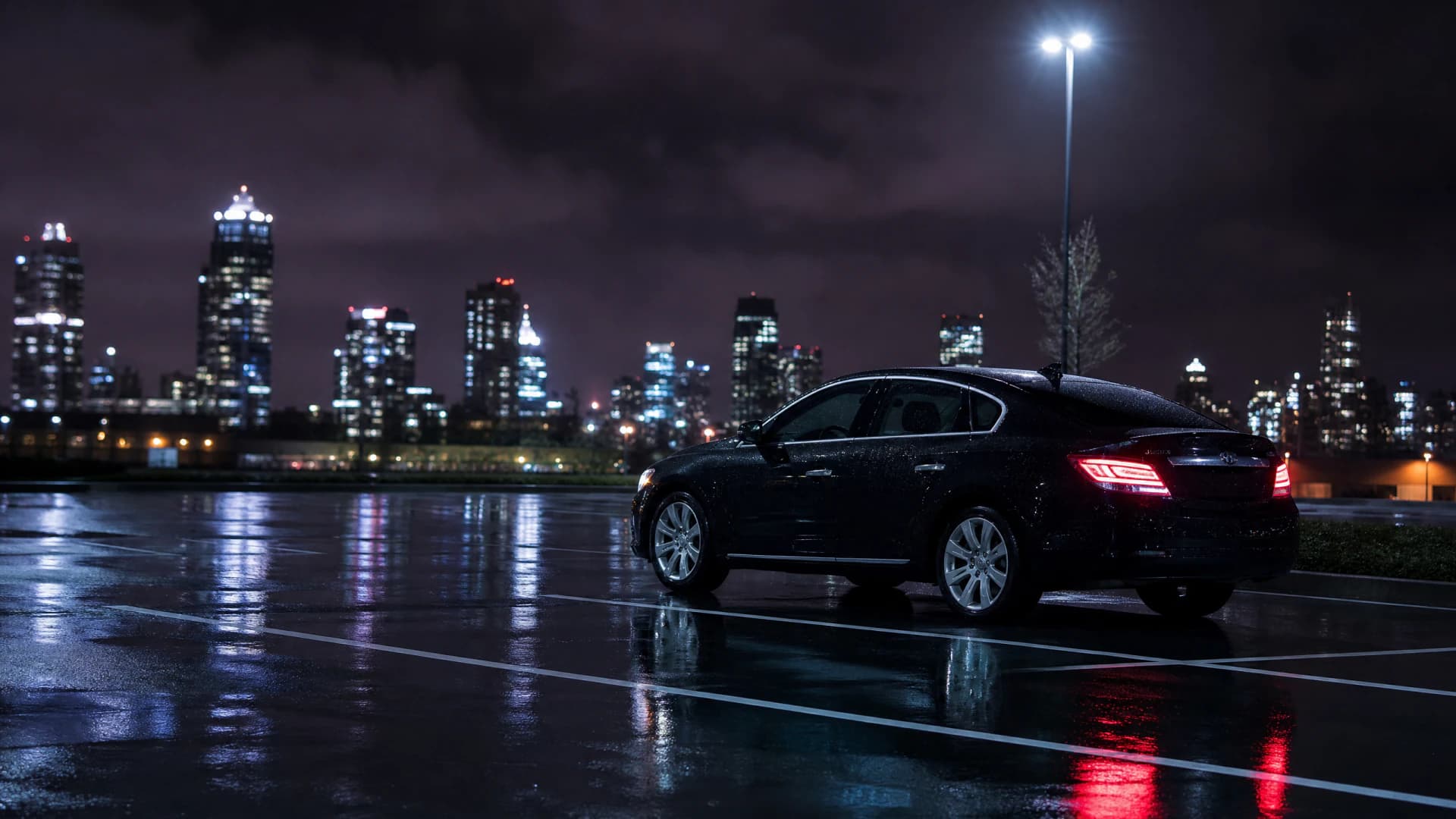
Wisconsin OWI convictions trigger 3-year SR-22 filing and ignition interlock requirements — both constrain your carrier options and drive you toward non-standard specialists whether you recognize their names or not.
Related Articles





How Wisconsin's Ignition Interlock Requirement Affects Carrier Choice
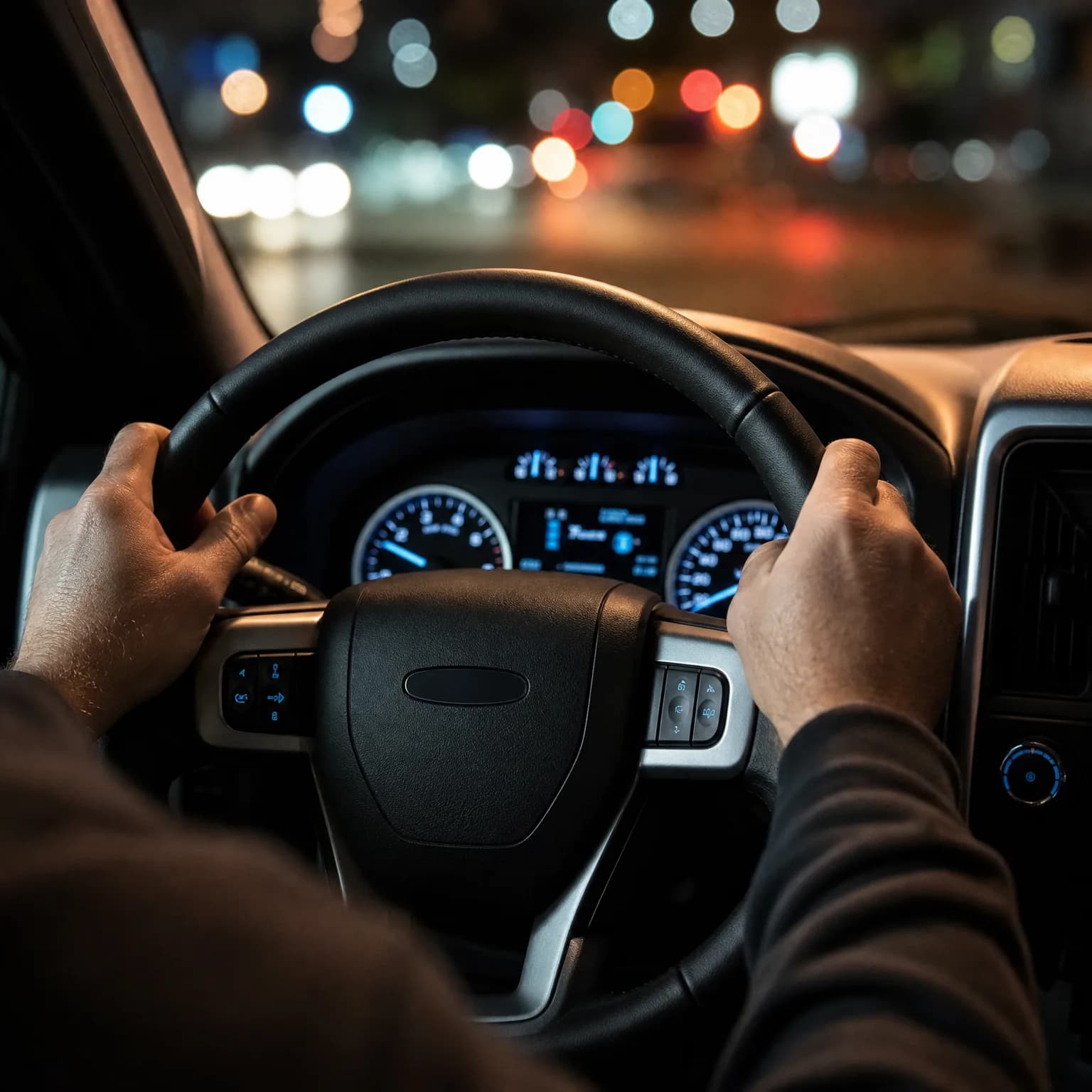
Wisconsin mandates ignition interlock devices for most OWI convictions, including first offenses in many circumstances under Wis. Stat. § 343.301. The IID requirement does not directly change your insurance premium — carriers do not add IID surcharges — but it does narrow your carrier pool further. Not all carriers writing post-OWI policies in Wisconsin accept drivers with active IID restrictions, and those that do may require proof of IID installation before binding coverage.
This creates a secondary filter on top of the SR-22 requirement. You need a carrier willing to file SR-22 and willing to insure a driver with court-ordered IID. Non-standard specialists handle both as routine. Dairyland and The General explicitly accept IID-restricted drivers. Standard-tier carriers vary — Progressive and Geico typically accept IID cases, but State Farm and Allstate often decline or refer you to their non-standard subsidiaries. If you're shopping with an active IID order, lead with that fact in your quote requests to avoid wasting time on carriers that will decline you at binding.
The IID period in Wisconsin varies by offense count and court order but typically runs 12 to 24 months. Once the device is removed and your DMV record updates, your carrier options widen slightly. Some drivers use the IID-removal date as a trigger to re-shop coverage, moving from non-standard specialists to standard-tier high-risk divisions if their driving record has otherwise remained clean.
$60 + $200
Wisconsin OWI Reinstatement Fees
Wisconsin charges $60 for license reinstatement after suspension plus an additional $200 OWI-specific surcharge, bringing total reinstatement fees to $260 before you add SR-22 filing costs or any AODA assessment fees. This is separate from insurance premium — you pay it once at reinstatement, not monthly.
Wisconsin Department of Transportation reinstatement fee schedule

Why Non-Owner SR-22 Policies Cost Less If You Don't Own a Vehicle
If your license was suspended for OWI and you do not currently own a vehicle — either because you sold it, lost it in the conviction process, or never owned one to begin with — you can satisfy Wisconsin's SR-22 requirement with a non-owner SR-22 policy. Non-owner policies provide liability coverage when you drive vehicles you do not own: borrowed cars, rental cars, or vehicles provided by employers. Wisconsin DMV accepts non-owner SR-22 filings for reinstatement as long as the policy meets state minimum liability limits.
Non-owner SR-22 policies cost significantly less than standard policies because they carry no collision or comprehensive exposure and lower liability risk. Expect monthly premiums between $45 and $85 from non-standard specialists like Dairyland, The General, or GAINSCO. This is often half the cost of insuring a vehicle you own. The structural advantage: you meet your legal SR-22 obligation, regain your license, and avoid paying for coverage on a vehicle you're not driving. Once you purchase a vehicle again, you convert the non-owner policy to a standard policy or shop for new coverage.
Compare SR-22 Specialists Built for Wisconsin OWI Cases
Wisconsin's post-OWI insurance market operates on underwriting segmentation invisible to most drivers. The carriers quoting you $350 per month are not overcharging relative to their models — they're the wrong tier for your risk profile. Non-standard specialists exist specifically to underwrite drivers with OWI convictions at baseline rates rather than surcharged standard rates. The price gap between tiers is structural, not negotiable, which means the only way to access the lower pricing band is to compare quotes from carriers operating in that band. Start with Dairyland, The General, Bristol West, and GAINSCO if you're within three years of your conviction date and need SR-22 filing. Use Wisconsin's online comparison tools or work with a broker specializing in high-risk auto to pull quotes from multiple non-standard carriers in one session rather than shopping them individually.
Which Carriers Write Cheapest Post-OWI Coverage in Wisconsin
Non-standard specialists write the majority of Wisconsin post-OWI policies. Dairyland, The General, Bristol West, and GAINSCO all operate in Wisconsin, file SR-22 certificates as standard practice, and underwrite OWI convictions without the layered surcharges standard carriers apply. These carriers typically deliver the lowest monthly premiums for drivers within their first three years post-conviction. Expect quotes between $220 and $285 per month for state-minimum liability coverage. Most allow online quotes; some require broker contact for final binding.
Standard-tier high-risk divisions come second. Progressive, Geico, and National General all write post-OWI coverage in Wisconsin and file SR-22, but their underwriting models treat OWI as elevated risk on top of standard pricing. Monthly premiums for the same coverage run $280 to $380. These carriers make sense if you carry other policies with them and can bundle, or if your conviction is aging past the two-year mark and you're beginning to qualify for standard-tier re-entry. Before that window, non-standard specialists nearly always beat them on price.
Get Your Free Quote
Get My Wisconsin DUI Insurance QuoteFrequently Asked Questions
Do I need SR-22 insurance if my license is suspended for OWI in Wisconsin?
Yes. Wisconsin requires SR-22 filing for three years following an OWI conviction before you can reinstate your license. The SR-22 is a certificate your insurance carrier files with the Wisconsin Department of Transportation proving you carry at least state-minimum liability coverage. You cannot reinstate without it.
How much does SR-22 insurance cost after an OWI in Wisconsin?
Non-standard carriers typically quote $220 to $285 per month for state-minimum liability coverage with SR-22 filing after a Wisconsin OWI. Standard-tier carriers quote $280 to $450 per month for identical coverage. The SR-22 filing fee itself costs $15 to $50 one-time, but the real cost difference comes from which carrier tier you use.
Can I get SR-22 insurance in Wisconsin if I don't own a car?
Yes. Wisconsin accepts non-owner SR-22 policies for license reinstatement. Non-owner policies provide liability coverage when you drive vehicles you don't own and typically cost $45 to $85 per month — roughly half the cost of insuring a vehicle you own.
Which insurance companies in Wisconsin are cheapest after an OWI?
Dairyland, The General, Bristol West, and GAINSCO typically deliver the lowest post-OWI premiums in Wisconsin because they specialize in high-risk drivers and underwrite OWI convictions as baseline risk rather than surcharged standard risk. Standard carriers like Progressive and Geico write post-OWI policies but charge 30% to 60% more for equivalent coverage.
How long do I need SR-22 insurance in Wisconsin after an OWI?
Wisconsin requires SR-22 filing for three years from your OWI conviction date. If your policy lapses or cancels during that period, your carrier notifies Wisconsin DMV and your license is re-suspended immediately. Maintain continuous coverage for the full three years to avoid restarting the clock.
Does ignition interlock affect my insurance rates in Wisconsin?
Ignition interlock devices do not directly increase your premium — carriers do not add IID surcharges. However, not all carriers accept drivers with active IID restrictions, which narrows your options. Non-standard specialists like Dairyland and The General accept IID cases as routine; some standard-tier carriers decline them outright.