
Cheapest Companies for Drivers With Two OWIs — Wisconsin
Free to compare
The Structural Reality After Your Second OWI
Your second OWI conviction in Wisconsin triggered three simultaneous requirements that standard carriers will not touch: a 12-18 month license revocation administered by WisDOT, mandatory Ignition Interlock Device installation on any vehicle you drive (even during Occupational License eligibility), and continuous SR-22 certificate filing for three years after reinstatement. State Farm, Allstate, and Progressive all maintain internal underwriting rules that automatically decline two-OWI applicants for 36-60 months post-conviction regardless of other factors.
The carriers willing to write your policy operate in Wisconsin's non-standard auto insurance tier — Bristol West, Dairyland, GAINSCO, The General, National General, Geico's non-standard division, and Progressive's non-standard subsidiary. These seven companies structure pricing around IID-equipped vehicles and SR-22 compliance monitoring. Your monthly premium typically lands between $180 and $270 for state-minimum liability coverage, with variation driven by county, age, vehicle type, and the specific months elapsed since your conviction date.
“No carrier quotes until you schedule IID installation — the device requirement blocks binding, not just reinstatement.”

Get Back to a Fair Rate in Wisconsin After a DUI
Get My Wisconsin DUI Insurance Quote12-18 months
Wisconsin Two-OWI Revocation
Wisconsin Statute § 343.10(5)(b) mandates a minimum 12-month revocation for second OWI within 10 years, extendable to 18 months based on BAC level and refusal status. The revocation clock starts from conviction date, not arrest date.
Wis. Stat. § 343.10(5)(b)
Why Standard Carriers Decline Two-OWI Drivers
Standard-tier carriers classify two-OWI convictions as automatic underwriting disqualifiers under internal risk models that treat second alcohol offenses within 10 years as actuarially uninsurable at standard rates. State Farm's underwriting guidelines prohibit binding any policy for applicants with two OWIs in the past five years. Allstate extends that window to seven years. Progressive's standard division declines two-OWI applicants entirely, routing them to their non-standard subsidiary with separate rate tables.
The structural reason is loss-ratio history: Wisconsin Department of Transportation crash data shows drivers with two OWIs have a claim frequency 4.7 times higher than clean-record drivers in the first 24 months post-conviction. Standard carriers cannot price this risk within their filed rate structures without triggering regulatory scrutiny, so they decline the business outright and refer applicants to non-standard affiliates or unaffiliated high-risk carriers.
This is not a credit problem or a points problem you can negotiate. Two OWIs trigger categorical underwriting exclusions written into carrier policy manuals. The only path to coverage runs through non-standard insurers licensed to write high-risk auto policies in Wisconsin.

No carrier will quote your policy until you schedule your IID installation appointment and provide the vendor confirmation — the device requirement blocks coverage binding, not just license reinstatement.



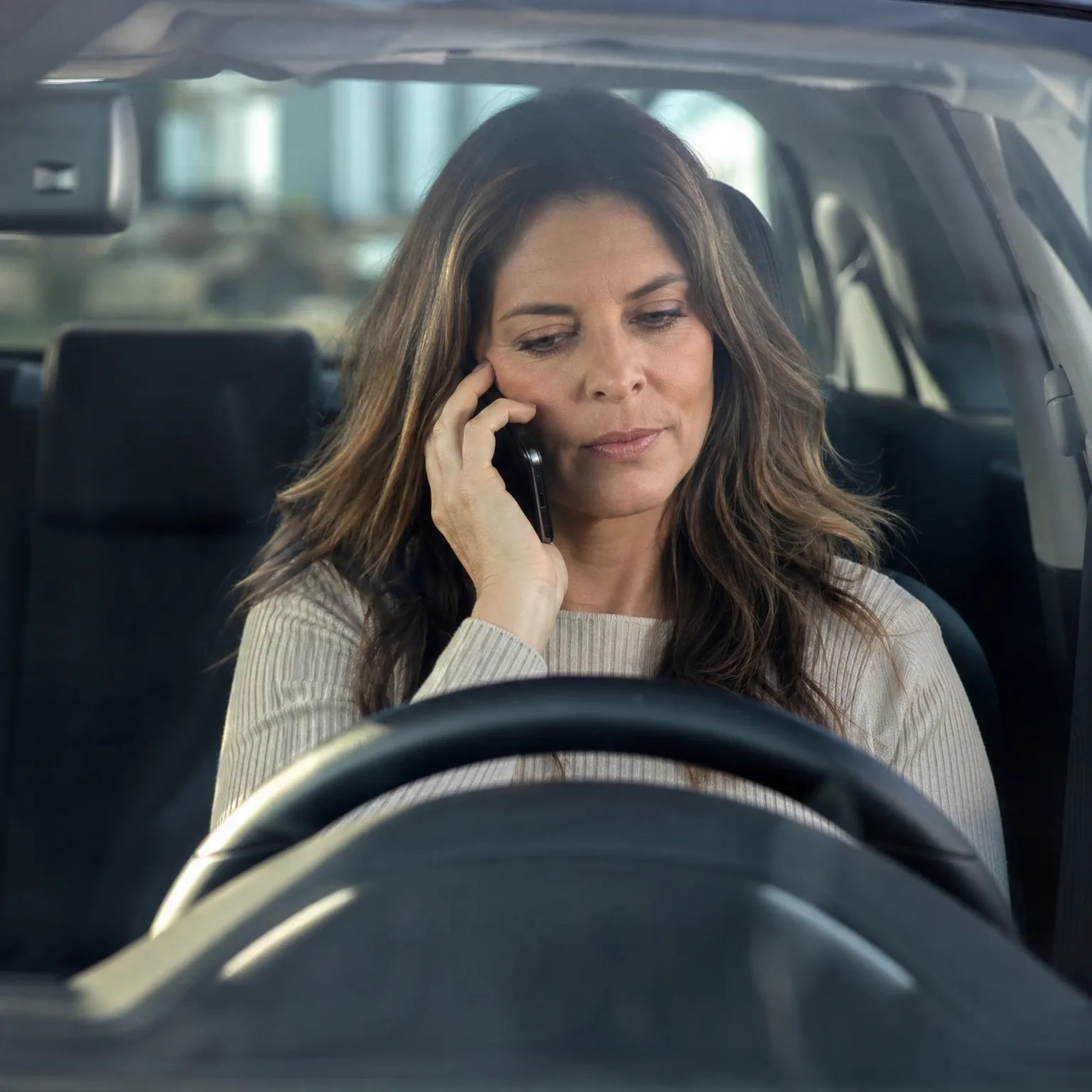


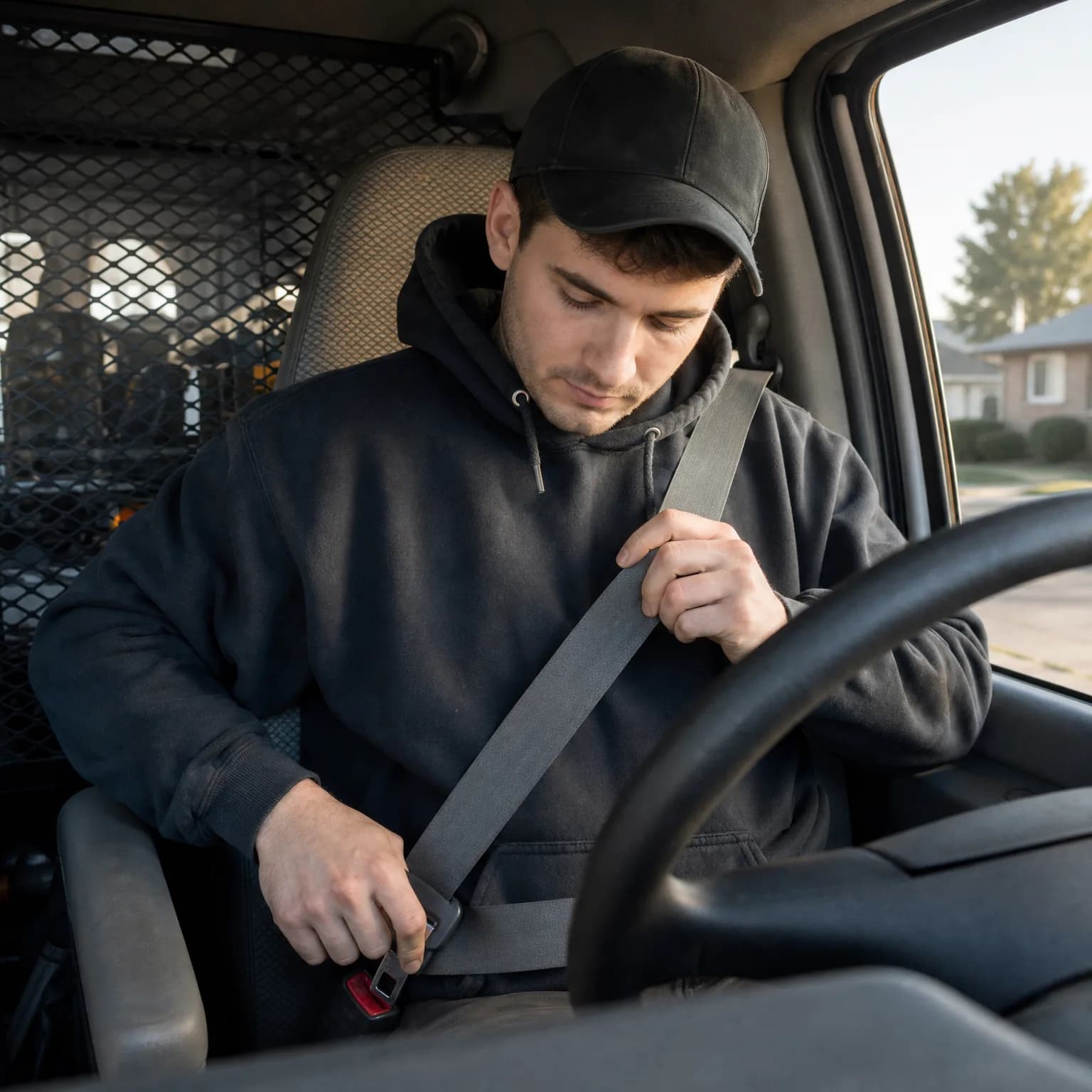
IID Requirement Blocks Coverage Binding
Wisconsin Statute § 343.301 mandates Ignition Interlock Device installation on any vehicle operated by a two-OWI driver, including vehicles driven under an Occupational License during the revocation period. The device requirement is not a post-reinstatement condition — it applies immediately once the court grants your Occupational License petition. Carriers will not bind coverage until you provide written confirmation from a Wisconsin-certified IID vendor (LifeSafer, Intoxalock, or Smart Start) showing a scheduled installation appointment.
The sequencing trap: you cannot drive to the IID vendor without an active insurance policy and Occupational License, but carriers will not issue the policy without proof of scheduled IID installation, and most vendors require you to bring the vehicle to their facility for installation. The documented workaround is to schedule the IID appointment first (vendors allow phone scheduling without the vehicle present), obtain the appointment confirmation in writing, submit that confirmation to the insurer to bind the policy and generate the SR-22, take the SR-22 and insurance declaration page to WisDOT to obtain the physical Occupational License, then drive legally to the IID installation appointment.
This four-step sequence is not documented anywhere on the WisDOT website. Most two-OWI drivers discover it only after a carrier declines to quote them, or after WisDOT rejects their Occupational License application for missing SR-22 filing. The IID vendor confirmation is the unlocking document — without it, the entire process stalls.
$180–$270/mo
Two-OWI Premium Range Wisconsin
Non-standard carriers quote state-minimum liability (25/50/10 UM/UIM required) for two-OWI drivers with IID-equipped vehicles at these rates. Milwaukee and Racine counties run 15-20% higher than rural counties due to claim frequency.
Estimates based on available industry data; individual rates vary by driving history, vehicle, and location.

SR-22 Filing Period and Lapse Consequences
Wisconsin requires continuous SR-22 filing for three years following reinstatement after a two-OWI revocation. The three-year clock starts from your reinstatement date, not your conviction date or Occupational License issuance date. If you obtain an Occupational License 90 days into your revocation and drive under that license for 12 months before full reinstatement, the SR-22 requirement still runs three full years from the reinstatement date — your total SR-22 filing period becomes approximately four years.
Any lapse in coverage during the SR-22 period triggers automatic WisDOT notification within 48 hours. The carrier electronically reports the cancellation or non-renewal to the state, and WisDOT issues an immediate suspension notice. The suspension adds a $60 reinstatement fee and resets the SR-22 three-year clock to zero — you start the entire three-year period over from the date you cure the lapse and refile SR-22. Two lapses within the same SR-22 period can extend your total filing obligation to six years or longer.
Compare Rates Across All Seven Carriers
Rate variation between non-standard carriers for identical coverage in the same county routinely exceeds $80/month. Bristol West may quote $220/month for a 34-year-old driver in Kenosha County while Dairyland quotes $160/month for the same driver, vehicle, and coverage limits. The variation is not driven by different underwriting — all seven carriers know you have two OWIs — it is driven by different actuarial models, different reinsurance costs, and different strategic decisions about which Wisconsin counties each carrier wants to grow volume in.
You need quotes from all seven. Most two-OWI drivers stop at the first carrier willing to write them, which statistically costs them $60–$100/month compared to the lowest available quote. Use a non-standard insurance comparison tool that submits your profile to all Wisconsin-licensed high-risk carriers simultaneously and returns binding quotes within 48 hours. Provide your IID installation confirmation, Occupational License court order if you have it, and conviction date — those three documents unlock quoting from all seven.
Seven Wisconsin Carriers Writing Two-OWI Policies
Bristol West, Dairyland, and GAINSCO specialize in high-risk drivers and maintain the most aggressive two-OWI underwriting in Wisconsin. All three write policies immediately after conviction (no mandatory waiting period beyond the state's 90-day hard suspension before Occupational License eligibility). Monthly premiums for state-minimum liability typically run $180–$240 in Milwaukee County, $160–$210 in Dane County, and $140–$190 in rural counties. All three file SR-22 certificates electronically with WisDOT within 24 hours of binding. Bristol West and Dairyland offer online quoting; GAINSCO requires agent contact.
The General, National General, Geico non-standard, and Progressive non-standard write two-OWI policies but impose 12-month post-conviction waiting periods before binding. Premiums run slightly lower — $160–$220 for Milwaukee County, $140–$190 elsewhere — but the delay means you cannot use them during your first Occupational License period. All four file SR-22 electronically. The General allows online binding; the other three require phone application to confirm IID installation status and Occupational License documentation before quoting.
Get Your Free Quote
Get My Wisconsin DUI Insurance QuoteFrequently Asked Questions
Can I get car insurance in Wisconsin with two OWI convictions?
Yes. Seven Wisconsin-licensed non-standard carriers write policies for two-OWI drivers: Bristol West, Dairyland, GAINSCO, The General, National General, Geico non-standard, and Progressive non-standard. Monthly premiums for state-minimum liability with SR-22 filing typically run $180–$270 depending on county and months since conviction. All seven require proof of scheduled Ignition Interlock Device installation before binding coverage.
How much does SR-22 insurance cost after a second OWI in Wisconsin?
The SR-22 certificate itself costs $25–$50 to file. The insurance policy backing the SR-22 costs $180–$270/month for state-minimum liability coverage from non-standard carriers. Total first-year cost including the certificate, policy premiums, and Wisconsin's $200 OWI reinstatement fee typically runs $2,400–$3,500. Rates drop 15-25% after 24 months of clean driving with no lapses.
Do I need insurance during my Wisconsin license revocation?
Yes, if you obtain an Occupational License. Wisconsin requires continuous liability insurance and SR-22 filing for any vehicle you drive under an Occupational License during the revocation period. If you do not obtain an Occupational License and do not drive at all during revocation, you do not need insurance — but you will still need to file SR-22 and maintain coverage for three years starting from your eventual reinstatement date.
What is the cheapest car insurance company in Wisconsin for two OWIs?
Dairyland and GAINSCO typically quote the lowest rates for two-OWI drivers in Wisconsin, with monthly premiums starting around $160–$210 for state-minimum liability depending on county. Bristol West quotes slightly higher but binds coverage faster. Rate variation between carriers routinely exceeds $80/month for identical coverage, so comparing all seven non-standard insurers licensed in Wisconsin is necessary to find the lowest available rate.
How long do I need SR-22 insurance in Wisconsin after two OWIs?
Wisconsin requires SR-22 filing for three years from your reinstatement date after a two-OWI revocation. The clock starts when WisDOT fully reinstates your license, not when you receive an Occupational License or when you are convicted. Any lapse in coverage during the three-year period resets the clock to zero — you start the entire three-year SR-22 requirement over from the date you cure the lapse.
Can I get a quote without an Ignition Interlock Device installed?
No Wisconsin carrier will bind coverage for a two-OWI driver without written confirmation of a scheduled IID installation appointment. You do not need the device physically installed before quoting, but you must provide the appointment confirmation from a Wisconsin-certified vendor (LifeSafer, Intoxalock, or Smart Start) showing the scheduled date and vehicle information. Schedule the IID appointment first, then submit the confirmation to carriers to unlock quoting.