
Cheapest Car Insurance After DUI — Madison, WI
Free to compare
Why Your Madison Search Returns the Wrong Carriers
You're comparing Progressive, Geico, and State Farm quotes because those names appear in every 'cheapest after DUI' listicle. Two of them will decline your application outright. The third might quote you $420/month for liability-only — three times what your neighbor with an identical DUI pays through Bristol West. The problem isn't your search method. Wisconsin post-DUI underwriting segments by violation details most comparison engines never ask about: your BAC at arrest, whether you refused the breathalyzer, whether the court mandated an ignition interlock device, and how many prior alcohol-related incidents appear in your Wisconsin DOT record.
Standard-tier carriers like State Farm write SR-22 policies in Wisconsin, but their DUI underwriting guidelines reject applicants above specific BAC thresholds or with refusal citations. You won't know you're ineligible until after the application. Non-standard carriers — Dairyland, Bristol West, The General, GAINSCO, Progressive's non-standard division — accept higher-risk profiles but route applications through different underwriting desks based on violation severity. The carrier that offers the lowest rate for a first-offense .10 BAC driver may be the most expensive option for a refusal case. The only way to identify your actual cheapest option is to compare quotes from carriers that explicitly write your specific DUI bracket in Dane County.
“The carrier writing the cheapest quote today will not necessarily renew at that rate — non-standard portfolios reprice at renewal based on company-wide loss ratios.”

Get Back to a Fair Rate in Wisconsin After a DUI
Get My Wisconsin DUI Insurance Quote3 years
Wisconsin SR-22 Filing Period
Wisconsin requires continuous SR-22 filing for three years following OWI reinstatement, measured from the date your license is reinstated, not your conviction date. Any lapse in coverage during this period resets the clock and triggers a new suspension.
Wisconsin Department of Transportation
What Actually Determines Your Rate Tier
Wisconsin non-standard carriers don't publish underwriting brackets publicly, but four factors consistently separate applicants into rate tiers: BAC level at arrest (.08–.14, .15–.19, .20+), chemical test refusal status, ignition interlock device requirement, and prior OWI convictions within ten years. A first-offense .09 BAC without refusal lands you in the lowest non-standard tier. A first-offense .18 BAC with refusal moves you two tiers higher — sometimes 60% more expensive with the same carrier. A second OWI within ten years triggers the highest tier regardless of BAC.
Madison-specific rating also considers your ZIP code's accident frequency and uninsured motorist density. Downtown Madison (53703, 53715) rates higher than Fitchburg or Middleton suburbs due to collision frequency on University Avenue and the Beltline. Carriers adjust base rates every six months; a carrier offering competitive pricing in January may not be cheapest by July. The persistent advice to 'shop every six months' is structural, not aspirational — non-standard carrier pricing shifts faster than standard-market rates because loss ratios change as portfolios mature.
The carrier writing the cheapest quote today will not necessarily renew at that rate — non-standard portfolios reprice at renewal based on company-wide loss ratios, not your individual claim history.



How SR-22 Filing Costs Layer on Top of Premium
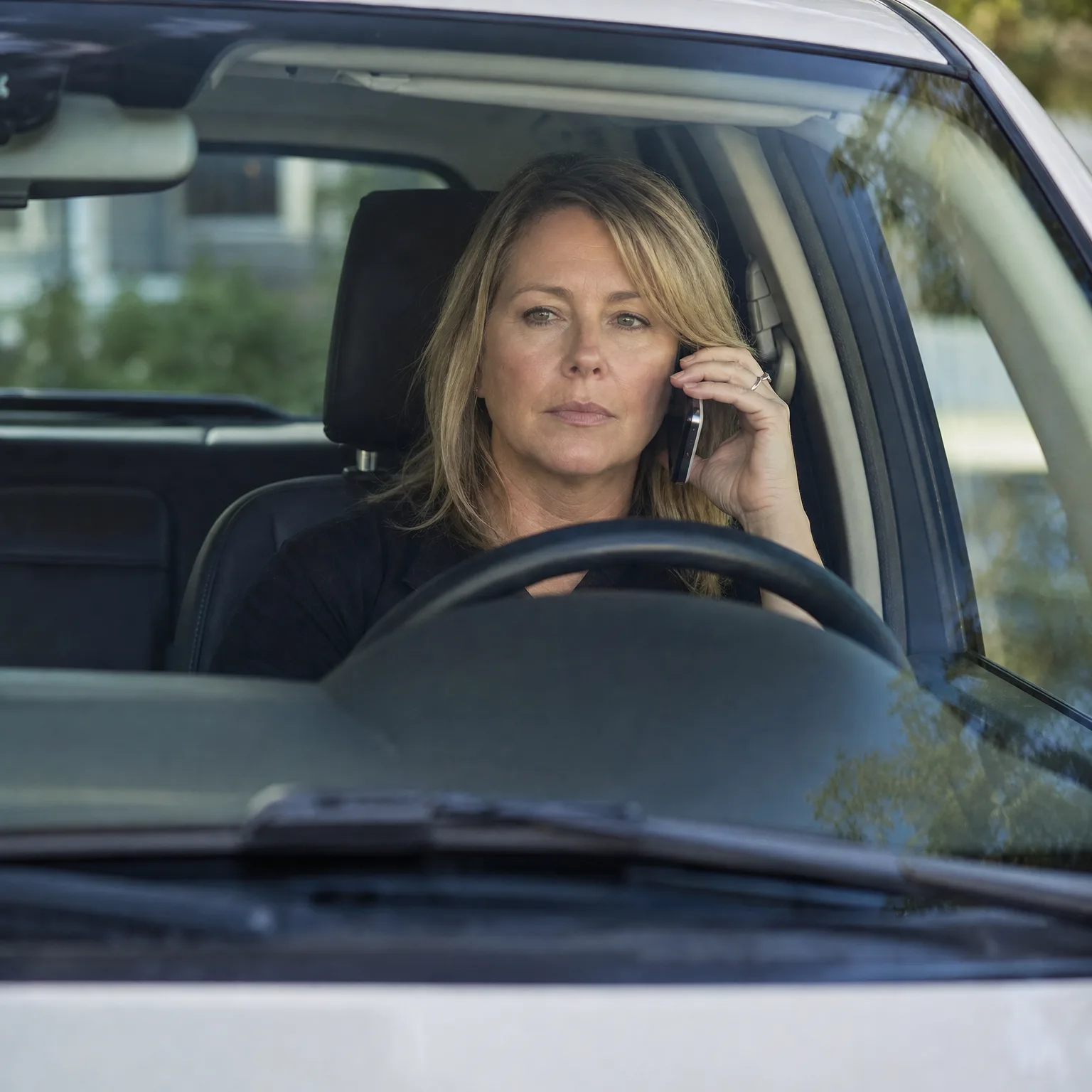
Wisconsin SR-22 is a certificate your insurer files electronically with the Wisconsin DOT proving you carry at least state minimum liability coverage: $25,000 bodily injury per person, $50,000 per accident, $10,000 property damage. Carriers charge a one-time filing fee when they submit the SR-22 — most Wisconsin carriers charge between $15 and $35 for the initial filing. The fee is separate from your premium. If you switch carriers during your three-year SR-22 period, the new carrier files a new SR-22 and charges another filing fee. Your old carrier files an SR-26 cancellation notice. The gap between cancellation and new filing cannot exceed one day or Wisconsin DOT suspends your license again and restarts your three-year clock.
Some carriers bundle SR-22 filing at no separate charge — Bristol West and Dairyland occasionally waive the filing fee as a competitive differentiator. Others charge the filing fee at policy inception and again at each renewal if state law requires annual re-filing (Wisconsin does not — the SR-22 remains active as long as your policy stays in force). Confirm the filing fee amount before binding coverage. The fee itself is negligible; the administrative consequence of a filing lapse is not. A single day without SR-22 coverage on file restarts your three-year requirement from zero and triggers a new suspension that requires paying Wisconsin's $60 reinstatement fee again.
$60
Wisconsin License Reinstatement Fee
Wisconsin charges a $60 reinstatement fee to restore your operating privilege after OWI-related suspension. If multiple suspensions stack — such as an OWI suspension plus a separate lapse-related suspension — Wisconsin assesses $60 per action, which can result in reinstatement fees exceeding $100.
Wisconsin Department of Transportation
Non-Owner SR-22 When You Don't Own a Vehicle
If you sold your car after your OWI arrest or don't currently own a vehicle, Wisconsin still requires SR-22 filing to reinstate your license. A non-owner SR-22 policy provides liability coverage when you drive vehicles you don't own — borrowed cars, rental cars, or vehicles you drive for work. The policy does not cover a vehicle titled in your name; it covers you as a driver. Non-owner SR-22 costs significantly less than standard auto insurance because it carries no collision or comprehensive exposure. Madison non-owner SR-22 policies typically cost less than half the premium of an equivalent owner policy.
Dairyland, Bristol West, The General, and Progressive all write non-owner SR-22 policies in Wisconsin. Geico writes them but often prices higher than the non-standard specialists. If you plan to buy a vehicle later during your SR-22 period, you convert the non-owner policy to a standard policy by adding the vehicle to the existing policy — your SR-22 filing continues uninterrupted and your three-year clock does not reset. Starting with non-owner coverage while you're not driving saves money now and preserves your SR-22 continuity when your situation changes.
Compare Actual Quotes, Not Advertised Rates
National 'average DUI insurance cost' figures are useless for pricing your actual Madison coverage. Wisconsin's SR-22 requirement, ignition interlock device mandate, and Dane County's collision frequency create a rate environment that doesn't match national averages or even Milwaukee's pricing. The only number that matters is the bindable quote a licensed Wisconsin carrier offers you after reviewing your DOT record, your BAC, your refusal status, and your vehicle. Advertised rates and comparison-site estimates reflect standard-tier drivers or aggregate data that doesn't match post-OWI underwriting.
Request quotes from at least three non-standard carriers: one that specializes in IID cases (Bristol West, Dairyland), one that writes refusal cases (Dairyland, GAINSCO), and one standard carrier if your BAC was under .10 and you didn't refuse (Progressive standard, State Farm). Provide identical coverage limits to each — Wisconsin state minimums at a minimum, but consider $100,000/$300,000 bodily injury if you own assets. Confirm each quote includes SR-22 filing at no additional premium if possible, or note the separate filing fee. Bind with the carrier offering the lowest total cost for the coverage limits you need. Once your policy is active and your SR-22 is filed, Wisconsin DOT updates your record within 3–5 business days and you can apply for license reinstatement or an occupational license if you're still within your suspension period.
Carriers Writing Post-OWI Coverage in Dane County
Dairyland and Bristol West write the broadest range of OWI cases in Wisconsin, including refusals and second offenses. Both accept ignition interlock device requirements without surcharge. Bristol West often quotes lower for .15+ BAC cases; Dairyland often wins on refusal cases. The General writes first-offense OWI without refusal but declines most IID-required cases. GAINSCO accepts IID cases but prices them in the highest tier. Progressive's standard division writes clean first-offense .08–.10 BAC cases; their non-standard division (not always quoted through the main site) writes higher BAC and refusal cases at higher premiums.
State Farm writes SR-22 policies in Wisconsin but applies strict BAC and refusal exclusions — many first-offense applicants are declined without explanation. Geico writes post-OWI policies but routes Madison applications to their non-standard underwriting desk, which often prices 20–30% above Dairyland for identical profiles. National General writes OWI cases in Wisconsin but their Madison pricing consistently runs higher than Bristol West and Dairyland. The lowest quote comes from comparing all six, filtered by your actual violation details — BAC, refusal status, IID requirement, and prior OWI count.
Get Your Free Quote
Get My Wisconsin DUI Insurance QuoteFrequently Asked Questions
Do I need SR-22 insurance if I don't own a car after my Wisconsin DUI?
Yes, Wisconsin requires SR-22 filing to reinstate your license even if you don't own a vehicle. You purchase a non-owner SR-22 policy, which provides liability coverage when you drive vehicles you don't own. Non-owner policies cost significantly less than standard auto insurance and satisfy Wisconsin's SR-22 requirement during your three-year filing period.
How much does SR-22 filing cost in Wisconsin?
Most Wisconsin carriers charge between $15 and $35 as a one-time filing fee to submit your SR-22 certificate to Wisconsin DOT. This fee is separate from your insurance premium. Some carriers like Bristol West and Dairyland occasionally waive the filing fee. The fee is charged again if you switch carriers during your three-year SR-22 period.
Can I get car insurance in Madison if I refused the breathalyzer test?
Yes, but refusal cases limit your carrier options and typically place you in higher rate tiers. Dairyland, Bristol West, and GAINSCO write refusal cases in Wisconsin. Standard-tier carriers like State Farm and Geico often decline refusal applications. Refusal cases typically cost 30–60% more than equivalent BAC cases without refusal, depending on the carrier.
What happens if my SR-22 insurance lapses in Wisconsin?
If your SR-22 coverage lapses for even one day, your insurance carrier files an SR-26 cancellation notice with Wisconsin DOT. Wisconsin immediately suspends your license and restarts your three-year SR-22 requirement from zero. You must pay another $60 reinstatement fee and file a new SR-22 before you can drive legally again.
Which Madison carriers write ignition interlock device cases?
Bristol West, Dairyland, and GAINSCO all write IID-required cases in Wisconsin without declining the application. Bristol West and Dairyland typically don't surcharge specifically for the IID requirement, while GAINSCO places IID cases in their highest rate tier. The General and State Farm decline most IID applications in Wisconsin. Progressive's non-standard division writes some IID cases but prices them higher than Dairyland.
How long does Wisconsin require SR-22 filing after a DUI?
Wisconsin requires continuous SR-22 filing for three years after your license is reinstated following an OWI conviction. The three-year period starts on your reinstatement date, not your conviction date. Any lapse in SR-22 coverage during this period resets the clock to zero and triggers a new suspension.
Does my BAC level affect my Wisconsin car insurance rate after DUI?
Yes, BAC level is one of the primary factors Wisconsin non-standard carriers use to segment post-OWI applicants into rate tiers. First-offense cases with BAC under .15 typically qualify for the lowest non-standard tier. BAC between .15 and .19 moves you into mid-tier pricing. BAC .20 or higher places you in the highest tier, often 40–60% more expensive than the lowest tier with the same carrier.