
Best SR-22 Insurance After a DUI — Appleton, Wisconsin
Free to compare
You Need SR-22 Filing Before the Court Hearing
Your Wisconsin OWI conviction triggered an automatic revocation. You cannot drive until you file SR-22 proof of insurance, petition the court for an Occupational License, and install an Ignition Interlock Device. Most Appleton drivers assume the DMV handles the Occupational License, but Wisconsin circuit courts have full authority over the application. The court sets your driving schedule — work hours, approved routes, time restrictions — before WisDOT issues the physical license document.
This two-step process means you need SR-22 coverage in place before you file the court petition. Judges reviewing Occupational License petitions require proof of SR-22 on file with the Wisconsin DMV. Without it, your petition will be denied at the hearing. Carriers writing post-DUI coverage in Appleton include Geico, Progressive, State Farm, Dairyland, Bristol West, National General, GAINSCO, and The General. Not every carrier files SR-22 certificates electronically the same day you purchase coverage, and that timing gap is the structural blocker most drivers hit first.
“The court sets your Occupational License driving schedule before WisDOT issues the physical license — a two-step process most Appleton drivers don't expect.”

Get Back to a Fair Rate in Wisconsin After a DUI
Get My Wisconsin DUI Insurance Quote$60
Wisconsin Reinstatement Fee
This is the base fee to reinstate operating privileges after OWI revocation. If you have multiple concurrent suspensions or revocations, Wisconsin assesses a separate $60 fee for each underlying action, which can stack to total fees well above $60.
Wisconsin Department of Transportation reinstatement fee schedule
SR-22 Filing Does Not Replace Your Auto Policy
SR-22 is not insurance. It is a certificate filed electronically by your carrier to the Wisconsin DMV proving you carry at least the state minimum liability limits: $25,000 per person for bodily injury, $50,000 per accident for bodily injury, and $10,000 for property damage. The carrier charges a small one-time filing fee set by the carrier and state. Most Wisconsin carriers charge between $15 and $50 to file the certificate; Geico and Progressive typically file the same business day you bind coverage.
If you own the vehicle you were driving when arrested, you need a standard auto policy with SR-22 endorsement. If you sold the vehicle or do not currently own one, you need a non-owner SR-22 policy. Non-owner policies meet the state's proof-of-insurance requirement without insuring a specific vehicle. Dairyland, Progressive, Geico, GAINSCO, and The General all write non-owner SR-22 policies in Wisconsin. The court petition requires proof of SR-22 on file, not proof you own a car.
Wisconsin requires SR-22 filing for 3 years after OWI reinstatement. The clock resets if your coverage lapses. A single missed payment that results in cancellation triggers a new 3-year filing period starting from the date you refile. Continuous coverage is the only way to close the SR-22 requirement on schedule.

Wisconsin first-offense OWI carries a 30-day hard suspension before Occupational License eligibility; second or subsequent offenses within 10 years impose a 90-day hard period under Wis. Stat. § 343.10(5)(b).






Ignition Interlock Device Installation Is Mandatory
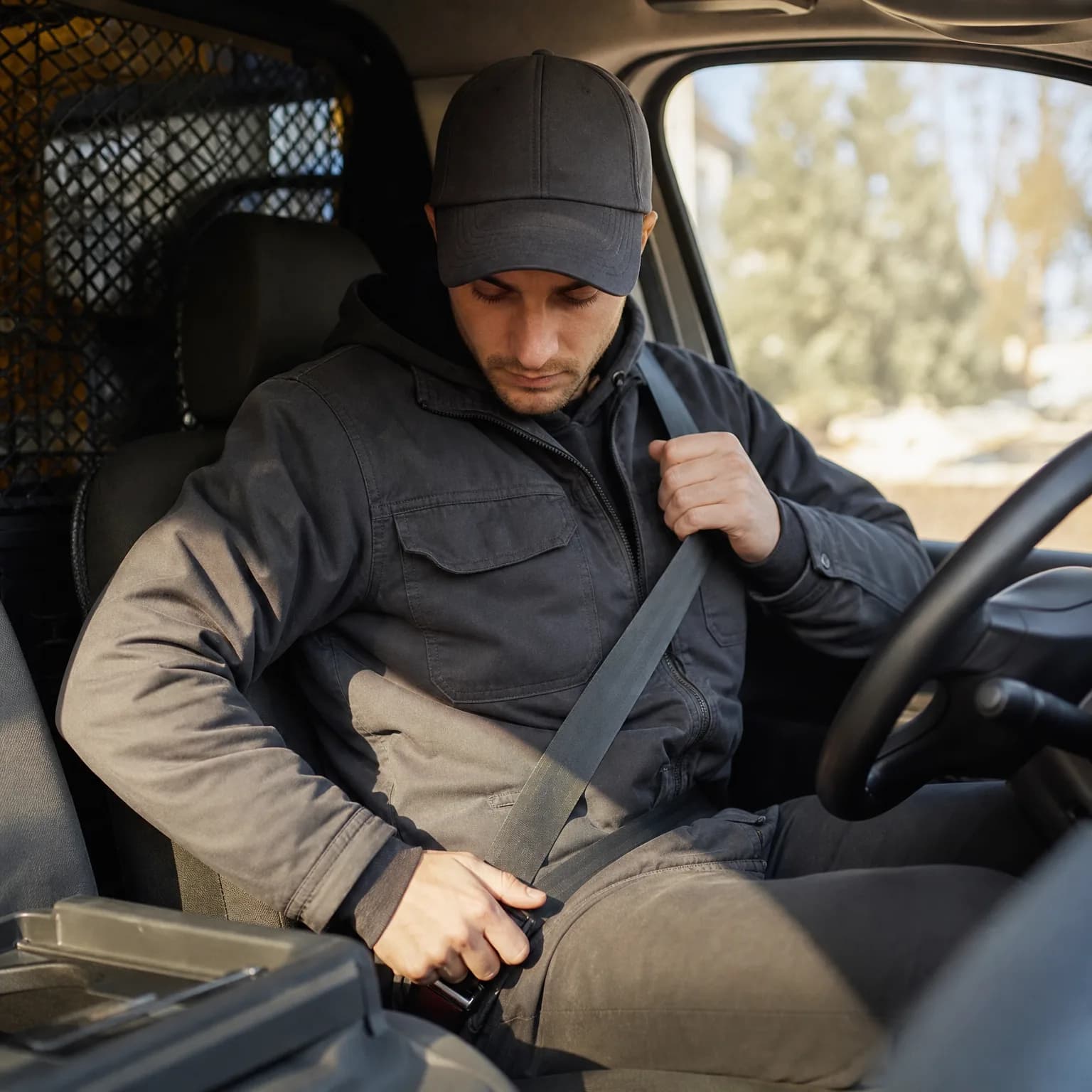
Wisconsin law under Wis. Stat. § 343.301 requires Ignition Interlock Device installation for most OWI-related reinstatements, including first offenses in many circumstances. The IID requirement runs concurrently with the Occupational License period. You cannot operate any vehicle — including one driven under Occupational License authority — without a functioning IID installed and registered with the state.
IID vendors in the Appleton area include LifeSafer, Intoxalock, and Smart Start. Installation costs typically run $75 to $150, with monthly lease and calibration fees of $60 to $90. The court order will specify IID as a condition of the Occupational License. Failure to install the device before driving, or any attempt to bypass or tamper with the unit, results in immediate Occupational License revocation and extends your total IID requirement period.
Absolute sobriety restrictions apply during the entire IID period. Wisconsin enforces a 0.00 BAC threshold for drivers subject to IID requirements. Any detected alcohol — even trace amounts from mouthwash or hand sanitizer — registers as a violation. Violations trigger rolling retests, data downloads reviewed by the court, and potential revocation of your Occupational License. The IID vendor reports all violations to WisDOT and the issuing court.
3 years
Wisconsin SR-22 Filing Period
SR-22 must remain on file continuously for 3 years from the reinstatement date. A lapse in coverage resets the clock to day one, adding years to your total filing obligation. Wisconsin's electronic insurance verification system flags cancellations immediately.
Wisconsin SR-22 filing requirements under Wis. Stat. ch. 344
Carriers Writing Post-DUI Coverage in Appleton
Geico, Progressive, State Farm, Dairyland, Bristol West, National General, GAINSCO, and The General all write SR-22-endorsed policies in Wisconsin and operate in Appleton. Geico and Progressive file SR-22 certificates electronically the same business day you purchase coverage, which accelerates your court petition timeline. State Farm writes SR-22 but processing times for the certificate vary by local agent. Dairyland and The General specialize in high-risk and post-violation drivers; both write non-owner SR-22 policies if you do not currently own a vehicle.
Standard-tier carriers like Allstate, American Family, Travelers, and Liberty Mutual may decline to write new policies immediately after an OWI conviction or quote premiums significantly higher than non-standard specialists. Non-standard carriers like Bristol West, GAINSCO, and The General expect post-DUI applicants and price accordingly. Comparing quotes from at least three carriers that write your risk profile produces the clearest cost picture. Do not assume your prior carrier will renew after conviction; many standard-tier policies include OWI as grounds for non-renewal at the next term.
What Happens After You Receive the Occupational License
Once the court grants your petition and you receive the physical Occupational License from WisDOT, you are authorized to drive only during the hours, for the purposes, and on the routes specified in the court order. Carry the Occupational License, the court order, and proof of SR-22-endorsed insurance every time you drive. Law enforcement in Wisconsin can verify Occupational License restrictions in real time, and any violation — driving outside approved hours, deviating from approved routes, or operating without a functioning IID — results in immediate arrest and revocation.
Your SR-22 filing obligation and IID requirement continue for the full periods ordered by the court, typically 3 years for SR-22 and 1 to 3 years for IID depending on offense count. After completing the Occupational License period and satisfying all court-ordered conditions, you apply for full license reinstatement with WisDOT. Reinstatement requires proof you completed AODA assessment and any recommended treatment, payment of the $60 reinstatement fee (or higher if multiple revocations stacked), and continuous SR-22 coverage with no lapses. Full reinstatement does not end your SR-22 filing requirement; the 3-year clock continues from the reinstatement date.
Start the SR-22 Filing Process Now
Request quotes from Geico, Progressive, Dairyland, and The General today. Specify SR-22 filing when requesting the quote and confirm the carrier files electronically to Wisconsin DMV. Binding coverage with same-day SR-22 filing positions you to file the Occupational License court petition immediately. The court hearing cannot proceed without proof of SR-22 on file, and every week of delay extends the period you cannot drive legally. Compare SR-22 insurance options from carriers writing post-DUI coverage in Wisconsin and confirm the filing timeline before you bind.
Court Petition Requirements for Occupational License
Required documentation for the court petition includes: completed petition form, proof of SR-22 on file with WisDOT, proof of employment or essential need (work schedule letter from employer, school enrollment documentation, medical appointment records, or church attendance confirmation), and payment of the court filing fee. The court reviews whether your need is genuine and whether granting restricted driving privileges serves public safety. Judges deny petitions when employment documentation is vague or when the petitioner has not completed required AODA assessment.
The court defines your driving schedule in the order: maximum 12 hours per day and no more than 60 hours per week. Approved purposes are limited to work, school, medical appointments, church, and alcohol or drug treatment programs. Routes are specified in the court order. Driving outside approved hours, purposes, or routes violates the Occupational License and triggers immediate revocation. After the court grants the petition, you take the signed order to a Wisconsin DMV service center to receive the physical Occupational License document.
Get Your Free Quote
Get My Wisconsin DUI Insurance QuoteFrequently Asked Questions
Do I need SR-22 if I don't own a car after my Wisconsin OWI conviction?
Yes. Wisconsin requires SR-22 proof of insurance on file before the court will approve an Occupational License petition, regardless of whether you own a vehicle. Purchase a non-owner SR-22 policy from carriers like Dairyland, Progressive, Geico, GAINSCO, or The General. Non-owner policies meet the state's proof-of-insurance requirement without insuring a specific vehicle.
How long does it take to get an Occupational License in Wisconsin after a DUI?
Wisconsin first-offense OWI imposes a 30-day hard suspension before you are eligible to petition for an Occupational License. Second or subsequent offenses within 10 years require a 90-day hard suspension under Wis. Stat. § 343.10(5)(b). After the hard period ends, court processing time for the petition varies by county, typically 2 to 6 weeks from filing to hearing.
Can I drive to work immediately after my Wisconsin DUI conviction?
No. Your license is revoked immediately upon OWI conviction. You cannot drive legally until you file SR-22, petition the circuit court for an Occupational License, receive court approval, install an Ignition Interlock Device, and obtain the physical Occupational License document from WisDOT. Driving on a revoked license before completing these steps is a criminal offense in Wisconsin.
What happens if my SR-22 insurance lapses in Wisconsin?
Wisconsin's electronic insurance verification system notifies WisDOT immediately when your carrier cancels coverage. Your Occupational License is revoked automatically, and the 3-year SR-22 filing clock resets to day one when you refile. A single missed payment that results in cancellation adds years to your total SR-22 obligation and requires filing a new court petition for Occupational License reinstatement.
Do I need an Ignition Interlock Device for a first-offense OWI in Wisconsin?
Yes, in most circumstances. Wisconsin law under Wis. Stat. § 343.301 requires IID installation for most OWI-related reinstatements, including first offenses. The court order granting your Occupational License will specify IID as a condition. You cannot operate any vehicle without a functioning IID installed and registered with the state during the restriction period.
Which Appleton insurance carriers file SR-22 the same day I buy coverage?
Geico and Progressive typically file SR-22 certificates electronically to Wisconsin DMV the same business day you bind coverage. Dairyland, GAINSCO, and The General also write post-DUI SR-22 policies but processing times for the certificate vary. State Farm writes SR-22 but filing speed depends on the local agent. Confirm the carrier's SR-22 filing timeline before purchasing to avoid delays in your court petition.
How much does SR-22 insurance cost in Wisconsin after a DUI?
Rates vary by carrier, driving history, vehicle, coverage selections, and location. The SR-22 certificate itself costs a small one-time filing fee set by the carrier, typically $15 to $50. Underlying premium depends on the carrier's appetite for post-DUI risk. Non-standard specialists like Dairyland, Bristol West, and The General price post-violation drivers more competitively than standard-tier carriers. Compare quotes from at least three carriers to identify the lowest rate available.